What If It Isn’t?

“Supposing a tree fell down, Pooh, when we were underneath it?”
“Supposing it didn’t,” said Pooh after careful thought.
Piglet was comforted by this.

A. A. Milne

So, I felt a “lump” under my left nipple, what I refer to as my cancer-side. It wasn’t the same kind of lump that I remember from cancer but when I thought of how I’d describe it (mass, thickening, etc.) I came up with cancer-sounding descriptive words.

This “lump” was also way bigger than my tumor had been.
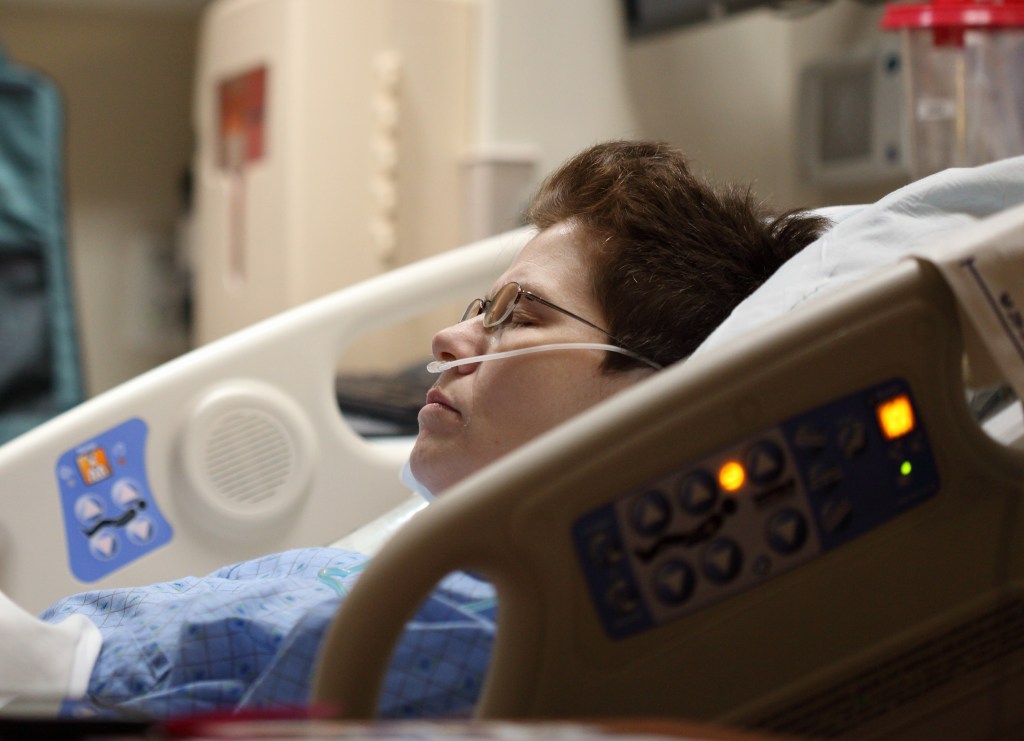
I think I feel “something” and –BAM!– my mind takes me to worst-case-scenario land.

Now you might think that I would reason with myself. I’d had an MRI in the late summer that showed nothing. A real lump that big would have shown up.

Again, it wasn’t a lump, it was a “lump”. But in the back of my mind, a film starting playing…

I was writing letters to my friends on how much I had appreciated their friendship. Practicing how to tell my kids that I wouldn’t be around to see them graduate from college. Posting my final thoughts here.

It sounds sooo melodramatic but my brain is like a motor boat left unattended with the engine running. And it’s just heading away on its own on a course that no one plotted.

Why do I “go there”?

There is a part of the brain called the Default Mode Network (DMN), which is the area that is more active when you’re at rest and otherwise not focusing on anything. There is a nice “plain-English” explanation here (from an accompanying article to meditation teacher Jon Kabat-Zinn’s Mindfulness course on Masterclass.com). It describes the role of the DMN in “self-reflection…social evaluations…memories…envisioning the future”. And it also notes that problems within the DMN can predipose people to a variety of cognitive issues, including anxiety.

Start my motor, cut me loose…and off I go.

This would explain a lot about my personal default mode.

The article goes on to describe how meditation can “keep the mind from wandering into stressful territory, like reliving traumatic events from the past or anxieties about the future.”

Well, it’s good that I’m meditating, then. But I’ve already put a lot of practice into panicking. I’m an expert hand-wringer. I have a lifetime of experience helped along by a series of anxiety-provoking events. Meditation is chipping away at my hypervigilance, but it’s a slow process.

The main thing that has changed, however, is that now I’m more aware when the motorboat putters away. It used to blindsight me and before I knew it, I was hit by a tidal wave of anxious sensations (tightening, gripping, nausea…). I didn’t realize that this habit of automatic thoughts was driving my anxiety.

Now, when I start down the road of “what if it is…”, I can stop and ask, “what if it isn’t”?

And that comforts me.

Nothing to Fear but Fear…Sort of

About five years ago around this time of the year, I had an uneasy feeling.

So, let me back up. The previous August 2016 I had felt a small lump in my left breast. It wasn’t all that different from another lump that I had gone to see my Nurse Practitioner about in late June 2016, and she had put my fears to rest.

Still, she noted that I hadn’t had a mammogram since 2013, so she wrote me an order for one so that I could keep on track with my screenings.

But I dragged my feet on the mammogram. And when the August lump appeared, I decided to wait until it disappeared–you know, like they always did–before setting up the appointment. Because going into a screening knowing that I had a lump seemed terrifying.

You can’t hide from your fears, but that didn’t stop me from trying.

It didn’t disappear. I kept feeling it, pressing it to see how squishy it was, did it move about, was it getting bigger. And all the time, wondering how long it would last. It was hanging around longer than I expected.

But I still waited because I was afraid. I didn’t want to go to the mammogram and have the technician look concerned. Maybe she’d call the doctor in and the doctor would look concerned. Maybe they’d suggest more tests.

I *knew* it was nothing because it had to be nothing, but I didn’t want to risk having the medical professionals think it was something because that would be terrifying to me when I really knew that it was nothing. I didn’t want to experience that fear needlessly. I was afraid of being afraid.

So I waited until around this time of the year in 2017, when, after talking with my mom, we both agreed that getting the lump checked out would relieve my building anxiety. I imagined a pleasant conversation with the Nurse Practitioner as she would say, “Don’t worry, it’s nothing.”

Except that’s not what my NP said. Her expression went from friendly-smiley to concern, and she told me that I needed to get that mammogram done as soon as possible. All that fear that I’d tried to avoid by not getting the screening suddenly hit me at once. As the NP left the examination room, she admonished me to not put the mammogram off.

The order that I got read, “Mammography and Diagnostic Screening”. The left breast on the picture on the sheet was circled. I think. To be honest, I don’t remember much more than that. To an outsider, I was just going to have a suspicious lump checked out. But inside me, there was a tornado of anxiety whipping around unchecked.

I know I know I know…but at that time, the fear of what might be overpowered common sense. So I waited.

I had waited six months simply to avoid fear. I was so afraid of the fear that I was willing to risk my life–even though I hadn’t see it that way. The overwhelming need to not experience fear trumped everything else because it was so horrible that I couldn’t seen past it. Nothing else mattered.

Believe it or not, I didn’t realize that I had been suffering from severe anxiety for a number of years. It was always bubbling right by the surface, occasionally boiling over, but never sufficiently dealt with. It had built up throughout my life through an unfortunate series of events and I had become worse and worse at shaking it, but the two years prior to my diagnosis brought some of the longest bouts of chronic anxiety and feelings of worthlessness.

And all that fear that I had, that reason for not getting the lump checked out, that fear that almost cost me my life? Cancer was what forced me to face it. The most feared disease that I could have imagined ironically put me on the path to finally dealing with one of the most crippling issues of my adult life.

No, I’m not going to say that I’m thankful for cancer. Because that would be ridiculous. But I can now step back and see the worth of fearful experiences and understand that sometimes it’s the horrible things that push you into the most meaningful personal growth.

Gratitude: It’s Not Just for Big Things

A number of years ago, when my kids were still very small, we lived in an area with brutal winters. That meant sub-freezing temperatures for weeks at a time. Money was tight so we had to keep the thermostat in the 50s overnight and in the low 60s during the day. To make matters worse, our bedroom was in a part of the house that the radiator pipes wouldn’t warm properly, so it was always cold there at that time of the year.

Gratitude for a cup of tea and a quiet moment to write – that is enough.

And by “cold” I mean, the bedsheets would be literally frigid when it was time for bed. So much so, that my joints would ache and I’d be miserable until my body heat could warm them up.

This continued for a year or two until I found an electric mattress pad. The first night that I crawled under the sheets with the heat turned on, I thought I’d won the lottery.

There were so many negative parts to the years we lived there, but going to bed with warmed sheets overwhelmed me with gratitude for the simple pleasure of removing the pain of the cold.

The reason that I’m telling you this is that it’s so obvious to be grateful for the stark changes in our situation. It’s a no-brainer.

But there is no need to wait for something like that. There are simple things that we take for granted that it would be so easy to be grateful for.

Turn your attention to little pleasures and acknowledge their importance in your life. Take some time to sit and bring them to your awareness. Feel into how they lighten your existence. Maybe thinking about them makes you smile. Or maybe the fact that something is simply working properly can be enough to help us realize how fortunate we are to have it at all.

Whatever it is, open up and invite gratitude in.

~~~~~~~~~~~~~~~~~~~~~~~

Maybe generating gratitude during bad times is exactly what we need.

Those of us who have recently gotten a cancer diagnosis may feel a touch bitter about this concept. Understandably, it may be easier to be grateful when you’re not dealing with a serious disease. And no one would blame you for having a hard time generating a mood of gratitude.

But perhaps that’s exactly when you should look for things that elicit a sense of gratefulness, no matter how small. It may be one of the most important things you can do to maintain a sense of well-being in a difficult time.

Making Mondays Bearable

As 2022 approaches and we face the prospect of having another twelve months speed by us again, I’ve found it useful to sit down and take stock of where I was last January, what changed over the past year, and with what attitude I will enter into the next 12 months.

One thing that has caused a great deal of anxiety for me has been work, even with having one of the greatest bosses in the world and a flexible work situation.

My work situation is quite positive, but anxiety has left me with emotional claustrophobia.

Why? Because my job has also been associated with some of the most wrenching anxiety that I have ever experienced, including being diagnosed with cancer.

What’s resulted is that even in a supportive and stimulating environment (although not my passion, admittedly), I’ve felt trapped, like an animal trying to scratch my way out of my cage.

This past year, I came up with a tactic to at least partially relieve this feeling.

Now, I actually look forward to Mondays, because I’ve set up a beautiful association for the first day of the workweek with something very indulgent.

First, I work from home on Monday. This softens the dread that I’ve historically felt on Sunday nights, knowing that the weekend is over. The transition to the office is gentler.

Second, with some changes in my kids’ school schedules (one in college living at home and the other in high school), I start my workday an hour later. This has given the entire family reprieve from the stress of waking very early and starting the week sleep-deprived.

It also gives me to time to enjoy a cup or two of decaf in the morning.

Third, when the rest of the family leaves for school and work, I have 45 minutes before my own workday starts. I set up my rower for a 30-minute row, facing the tv/computer monitor in the living room…

Great exercise + fun videos = an amazing start to Monday!

…and put on a half-hour YouTube video of something I really enjoy that I might not have time to watch otherwise. For me now? It’s an episode of “BuzzFeed Unsolved–Supernatural”. Pure 100% indulgent entertainment.

Because it’s a timed row, when the 30 minutes are over, I stop. No pressure to hit a certain speed or distance. No matter what, it ends up being a decent workout because I enjoy the exercise.

That leaves 15 minutes before I start work. Chemo left me with short hair that allows for a five-minute shower.

By the time my workday begins, I am completely refreshed and the day’s workout is done. I feel like I’ve been given a huge treat–almost like I’m cheating, but I know I’m not. That 30 minutes of physical activity tied with watching a fun video re-sets my attitude and I’m ready to take on the week.

I love Mondays!

~~~~~~~~~~~~~~~~~

Can you create your own positive association with the toughest day of the week or anything else that causes you grief?

No More Sticky Fingers!

Running late with this post as I’m furiously cleaning our apartment in advance of the Christmas holiday!

I noticed a few mornings ago that when I made a fist and then straightened the fingers of my right hand, the joints didn’t stick at all.

It took over 300 days…but I’m happy to celebrate the end of the side effects!

While this may seem like an odd thing to celebrate, it marked a milestone for me. This was the last side effect attributable to letrozole that I had been experiencing, and it was finally gone. Letrozole is an aromatase inhibitor that blocks production of estrogen and is used as endocrine therapy for breast cancer patients who have estrogen receptor-positive tumors. I’d been on it for about 14 months after switching to it from tamoxifen.

For reference, as of today, I am at Day 307 since stopping the medication, so it’s taken quite a while for this joint side effect to subside. Yes, there are other things still plaguing me, such as memory issues, low libido and difficulty maintaining muscle (even with strength training), but those are more difficult to separate out from the garden-variety effects of menopause.

The sticking fingers began in August 2020 (about 8 months after starting letrozole) and were getting progressively worse. By March 2021, when I called it quits with the endocrine therapy, a number of finger joints were sticking and painful, particularly in the morning.

At that point, I was having trouble getting up off the floor, as I was having issues with joints throughout my entire body. The medication was affecting various aspects of my life, making it difficult to exercise and, as I like to put it, lowering the quality of my existence. Following discussions with my oncologist, we both agreed that my risk of breast cancer recurrence was low enough to stop the meds.

It’s been quite a journey to get to the point where I am now.

Shaking this last side effect of letrozole reminded me how far on this cancer journey I’ve traveled. There have been so many ups and downs, friends made and friends lost to the disease, that it was easy to forget that nothing in life is permanent. Time passes and situations change, sometimes for better, sometimes for worse.

The concept of “CANCER” used to terrify me, and after I was diagnosed, I hit a low so deep I thought I’d never be able to crawl out of it.

Gradually, as my experience with the disease played itself out, I came to accept the uncertainty about the future. As the end of 2021 draws near, I inch closer to the 5-year survival mark. The fact that I can straighten my fingers in the morning without any pain or sticking is a perfect example of how while I cannot know what the future will bring, I can deal with the “now”. And this “now” is not so bad.

~~~~~~~~~~~~~~~~~~~~~~~~~~~~~

Best wishes to everyone for a very Joyous Holiday Season and much promise for 2022!

Working Out to Avoid Freaking Out

It’s hard to imagine a cancer diagnosis that doesn’t provoke some level of anxiety.

When I was told that I had breast cancer, it didn’t take long before I got a prescription for Xanax because my anxiety was going through the roof — I clearly couldn’t handle everything I was feeling. It wasn’t until my radiation oncologist suggested that I try meditation that my view of the best way to handle my anxious feelings changed, and eventually I dropped the Xanax altogether.

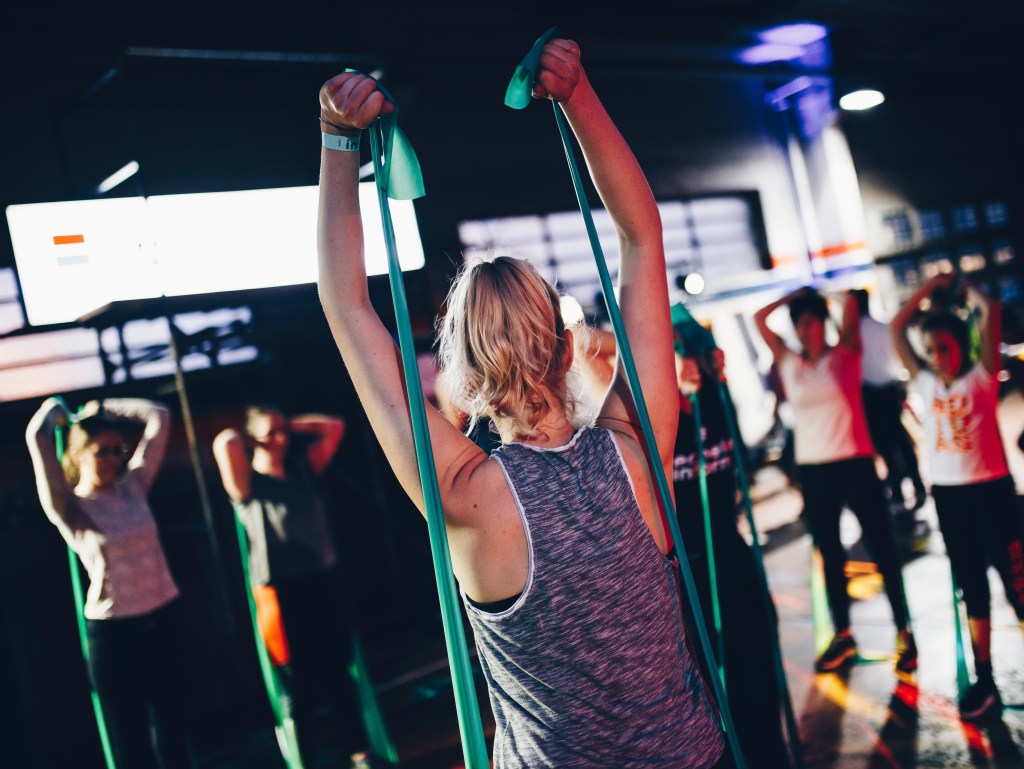
But one thing that I kept on doing was exercising, at least as much as I could manage on a given day. So after reading a recent study about exercise, I had to wonder how much worse my experience might have been if I hadn’t kept to my workouts.

Henriksson et al. (2022, Journal of Affective Disorders; see link below) found that engaging in moderate or strenuous exercise was very effective in relieving the symptoms of anxiety. What I found so interesting was that half of the study participants had actually lived with anxiety for at least a decade, and they still got relief!

The subjects in the exercise groups did a combination of both strength and cardio training.

The subjects in the experimental groups were assigned to one of two groups: low-to-moderate intensity group exercise or high intensity group exercise. The exercise was timed circuit training that combined both cardiovascular and strength moves and subjects maintained heartrates at levels appropriate for their assigned intensity levels. At the end of the 12-week program, everyone’s anxiety had significantly decreased, as compared to a control group that was not participating in group exercise.

What is striking is that there was a tendency for the improvement to follow the level of intensity; the harder the subjects exercised, the more anxiety relief they experienced. Talk about motivation!

My own experience echoes this, but in a subtractive sense. At times of intense stress, my anxiety skyrockets when I’m prevented from engaging in my regular workouts. This may happen, for example, when I’m dealing with an unreasonable workload that ties me to my desk and preempts my exercise sessions.

I used to wonder why I felt so much worse when I was getting more work done. This study answers that question for me.

Couple these results with what we’ve learned about the beneficial effects of exercise in decreasing the risk of recurrence of breast cancer and it is incredible why physicians don’t write exercise prescriptions for their patients, and why personal trainer sessions are not covered by health insurance.

~~~~~~~~~~~~~~~~~~~~~~~~

There are several things that I feel are important to underscore here if you’re interested in trying this out yourself.

The social aspect of the exercise sessions may have also played a role in alleviating the anxiety that the study participants had initially complained of, and there was the added benefit of a pre-planned, supervised program.

First, this was a group session. That means that there was also social support involved as no one was exercising alone. The subjects were supervised by a physiotherapist; they didn’t have to come up with their own program, as it had been created for them.

Also, the exercise included both cardio and strength exercises and included warm-up, cool-down and stretching, so it covered all the bases, so to speak. And the subjects got fitter as the study progressed, so there was also a sense of self-efficacy at work here.

Does this mean that the exercise didn’t matter? Not at all! The emotional benefits of exercise have been documented in previous studies. If you consider the mind-body as a single system, as your physical fitness improves, your mental health will generally follow.

If you’d like to see the original article, it is available free online:
Malin Henriksson, Alexander Wall, Jenny Nyberg, Martin Adiels, Karin Lundin, Ylva Bergh, Robert Eggertsen, Louise Danielsson, H. Georg Kuhn, Maria Westerlund, N. David Åberg, Margda Waern, Maria Åberg. Effects of exercise on symptoms of anxiety in primary care patients: A randomized controlled trialJournal of Affective Disorders, 2022; 297: 26 DOI: 10.1016/j.jad.2021.10.006

For a reader-friendly version, see the write-up in Science Daily:
University of Gothenburg. “Anxiety effectively treated with exercise.” ScienceDaily. ScienceDaily, 9 November 2021. www.sciencedaily.com/releases/2021/11/211109095348.htm

Perspective: The Broom that Sweeps the Mind

Last week, I had a good reminder about the importance of maintaining perspective.

It had been a stressful few days at work. At the height of it I found myself in a problematic situation, trying to “fix” an issue that wasn’t my responsibility by sending a quick email. I would have done better to pause, but I was in “go-go-go” mode, driven by anxiety that the situation was causing.

Afterwards, I found myself obsessing about what had happened and how I had reacted. So even though I had initially felt that my email response was the best course of action, by evening I was convinced that it was the worst. This opened the door to allow in unrelated doubts about myself. That frustration carried into my nightly meditation, and ultimately, into fitful dreams.

In a few seconds, a perspective shift changes your entire view of things.

The next morning, I felt marginally better. But it wasn’t until I checked my text messages that my perspective shifted. I received photos of my father, leg in a cast, at the local hospital’s emergency room. Reason? Cracked tibia bone and deep vein thrombosis.

In an eyeblink, I forgot about what had happened with work. I needed to get more information about my father’s predicament.

As news of exactly what had happened filtered down to me (it was a much more controlled situation than I had initially understood it to be), I went into the office with a different mindset. The work stress that had been top-of-mind and in-my-face was now way over there in the back of the room.

FYI, my father is fine and the trip to the ER was actually a follow up from the previous day’s visit to his doctor where they discovered the fracture and the blood clot. The doc had encouraged the ER trip to get quicker access to an orthopedist. My dad is in good spirits and my mother (a former nurse) has been tasked with administering the clot-dissolving injections.

But the shift in perspective that morning reminded me so much of a similar shift several years ago: prior to my cancer diagnosis I had been experiencing a lot of anxiety at work…but once I learned that the lump in my breast was cancer, everything else fell away. It was as if the roar of work stress suddenly became muffled and all I heard was my beating heart, my health, the important stuff.

When I had cancer, the things that used to bother me, stopped. I knew then what was really important.

I distinctly remember that as I was going through my cancer treatments, in all the concern about what was happening in my body, I experienced the least amount of anxiety about anything going on at work that I’d ever had at that job. It felt like I could handle anything that they threw at me.

Perspective. That’s what I had as I sat in the infusion room. And that’s what I regained last week.

How curious that the shift in perspective was so simple to achieve. All I needed was to remember what was really and truly important and everything changed within a few seconds.

~~~~~~~~~~~~~~~~~~~~~~~~~~~~~~~~~~

“Simple” is not necessarily “easy”. We have so many things coming at us in the course of the day and we try to triage them as quickly as we can. It’s expected that we will make “little mistakes” and give more weight to the problem right in front of us–those things that are immediate. But with practice, we can realize that most of those are transient and the important stuff is what deserves our deepest attention and appreciation.

And even the “important stuff” needs to be swept out once in a while.

Don’t Overpink It

If you have been living under a rock or have pink color blindness, it probably hasn’t escaped your notice that October is Breast Cancer Awareness month.

I know I shouldn’t disparage the color pink (after all, my hair is currently pink), but there is a downside to all of this “pinking.” Actually there are two.

Awareness is important, but has the inundation of pink made the month lose it’s meaning?

First, after some point, there’s so much pink that it starts becoming meaningless. Whereas it used to be loads of fun for pre-adolescent boys to go around with “save the boobies” t-shirts in the name of cancer awareness, and then make a social media stink about it when their school sends them home to change, I’m not really seeing that kind of enthusiasm anymore. Kind of like when something that was cool and forbidden becomes legal…it loses its luster.

Which is not to say that breast-saving have gone out of style. A quick search of local events in my area does result in a number of fund-raising events. After all, we are still being diagnosed with breast cancer and in ever-greater numbers. But maybe it’s because of the pandemic, maybe it’s because of my current state of mind, I’m not hearing much about spreading the word of breast cancer prevention (not simply screenings) anymore.

But there’s another part of the pinkness that I’ve struggled with. And that’s the pink everything around this time of the year. I mean, if we want people to be aware, I guess they’re aware. But those of us who have lived the diagnosis may need to turn our awareness elsewhere.

That may sound ungrateful of me because all that awareness has translated into dollars for research, potentially at the expense of other cancers. And even though I will tout breast cancer awareness at this time of the year, it also stings.

I’ve lost friends to breast cancer. And I lost a year to breast cancer treatment, not to mention a good amount of my direction in life. Yes, I’m recalibrating, but no, things are not back to “normal”. Cancer still means people and things that are gone and will not return.

Consider taking your breast cancer friend out for coffee…with no pink in sight.

At times all this pink feels like loud cheerleaders shaking pink pom-poms in my face. And for many cancer patients and survivors, being constantly reminded that it’s BREAST CANCER AWARENESS MONTH can be overwhelming. We may need to ground ourselves in where we are right now, being present and grateful for each minute and away from all the pink noise.

So I agree that with 1 in 8 women being diagnosed with breast cancer at some point in their lives, and the mortality rate still unacceptably high, it’s definitely important to spread the word about risk factors and urge that women do the oh-so-critical self-exams and not forgo screenings.

But it’s also a great opportunity to reach out to a friend or relative who’s a patient or survivor and offer to take them out for coffee or a walk…and let them forget what month it is.

Working Out the Brain Fog

So if you needed yet another reason to exercise before, during and after your breast cancer treatments, I’ve got one for you.

A recent study in the Journal of Clinical Oncology (Salerno et al., 2021) found that early stage (I-III) breast cancer patients who were meeting the US minimum physical activity guidelines both before and during their chemotherapy displayed better cognitive function then did those patients who did not, and the effects were apparent both at the time of chemo and also six months after its completion.

Cognitive impairment is a relatively common complaint of breast cancer survivors–and can be improved with exercise.

This follows along the lines of other things we already know about exercise and cancer, such as increased survival rates and reduced rates of recurrence. It’s not a big stretch to say that exercise (and for the purposes of this post, I’m referring to the US national guidelines) is possibly one of the best things you can do for yourself, whether you are already a cancer patient or don’t want to become one (again).

What are these guidelines?

It’s suggested that adults do (1) at least 150-300 minutes per week of moderate-intensity or 75-150 minutes per week of vigorous-intensity aerobic physical activity, or some combination of the two intensities, the more the better; and (2) strength training activity involving all the major muscle groups at least two days a week at moderate or greater intensity (see specifics at Physical Activity Guidelines for Americans, 2nd edition).

Notably, similar guidelines hold across age groups and health conditions, with some modifications, although what exactly constitutes moderate to high intensity for different people will vary according to their conditioning and abilities. Take home message: If you can’t meet the guidelines, do what you can. It will still benefit you. The worst thing you can do is nothing.

The benefits of exercise for cancer survivors have been well-documented.

While there’s been a considerable amount of research done on the benefits of exercise as a whole, we’re only now beginning to focus on cancer patients and survivors as the test subjects. And new research is being conducted on different aspects of exercise to learn what effects they might have on cognition.

I’m going to be watching for the results of two clinical studies regarding exercise and cognition of cancer survivors. Both are currently recruiting participants.

The first, being conducted by the University of California, San Diego, is entitled “I Can! Improving Cognition After Cancer” and will be a randomized trial that examines whether physical activity improves cognitive function. You can read about it here: A randomized trial of physical activity for cognitive functioning in breast cancer survivors: Rationale and study design of I Can! Improving Cognition After Cancer, funded by the National Cancer Institute. Want to learn more? Go to https://clinicaltrials.gov/ct2/show/NCT04049695.

The second, conducted by the University of Pittsburgh and entitled, “Aerobic Exercise in Improving Cognitive Function in Patients with Stage 0-IIIA Breast Cancer”, will explore the effects of aerobic exercise specifically and will involve neuroimaging and the examination of pro-inflammatory biomarkers. You can read about it here: https://www.cancer.gov/about-cancer/treatment/clinical-trials/search/v?id=NCT02793921&r=1. Again this is funded by the National Cancer Institute. Interested in learning more? Go to https://clinicaltrials.gov/ct2/show/NCT02793921.

If you’re not exercising yet, the important thing is not what physical activity to choose, it’s to make the decision to begin.

If you have any interest in participating in either of these studies, contact info for the research project is available above in the posted clinical trial links.

So you might be thinking, “I can barely deal with the diagnosis…and you want me to EXERCISE???” I promise you, physical movement will only make you feel better. However, if you don’t have an established exercise routine and don’t particularly enjoy the experience, consider what you can manage.

We’re not talking about training for a marathon or a powerlifting competition. But if you can do something, ANYTHING, you will still see greater improvements in your cognition–and quite frankly, many other aspects of your physical and mental state–than if you hadn’t done any activity at all.

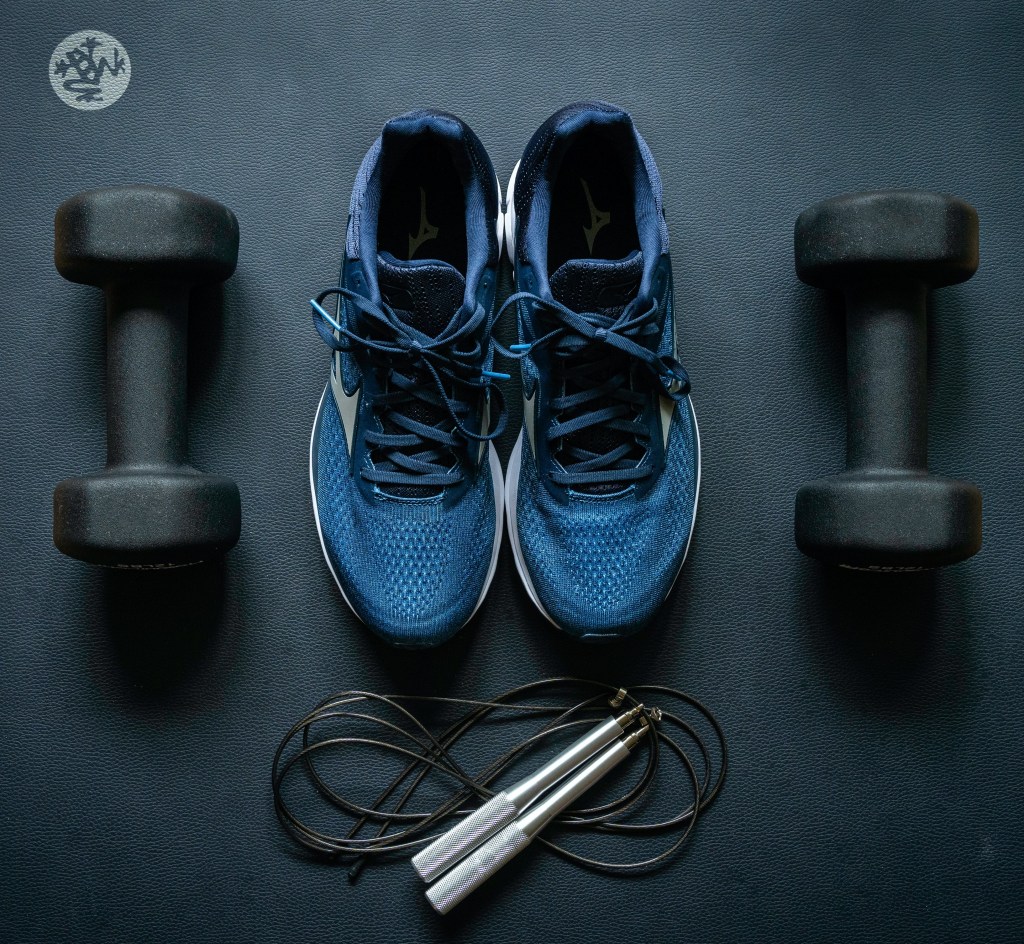
It is worth it and you are worth it. So lace up your shoes and give it a go.

Cancer Info with a Grain of Salt

When I posted a couple of weeks ago about research that shows the potential benefits of melatonin as a cancer-fighting agent, I tried to emphasize that even though you can find a scientific study that suggest promise for a given treatment, that’s not enough to run out and take it yourself.

Your medical team still remains your best source of information. They’re not only reading and processing info from clinical studies, they also have the inside scoop on what actually works on a long-term level. Not to mention that they’ll be able to prep you for treatment side effects.

I was reminded of this by an article that appeared in Cancer Currents, a newsletter from the National Cancer Institute at the National Institutes of Health, entitled, “Addressing the Challenges of Cancer Misinformation on Social Media“. (Note: the National Cancer Institute has an information service you can reach out to with your cancer questions: Cancer Information Service.)

So you found some miraculous cure on social media. But if it sounds too good to be true, it likely is.

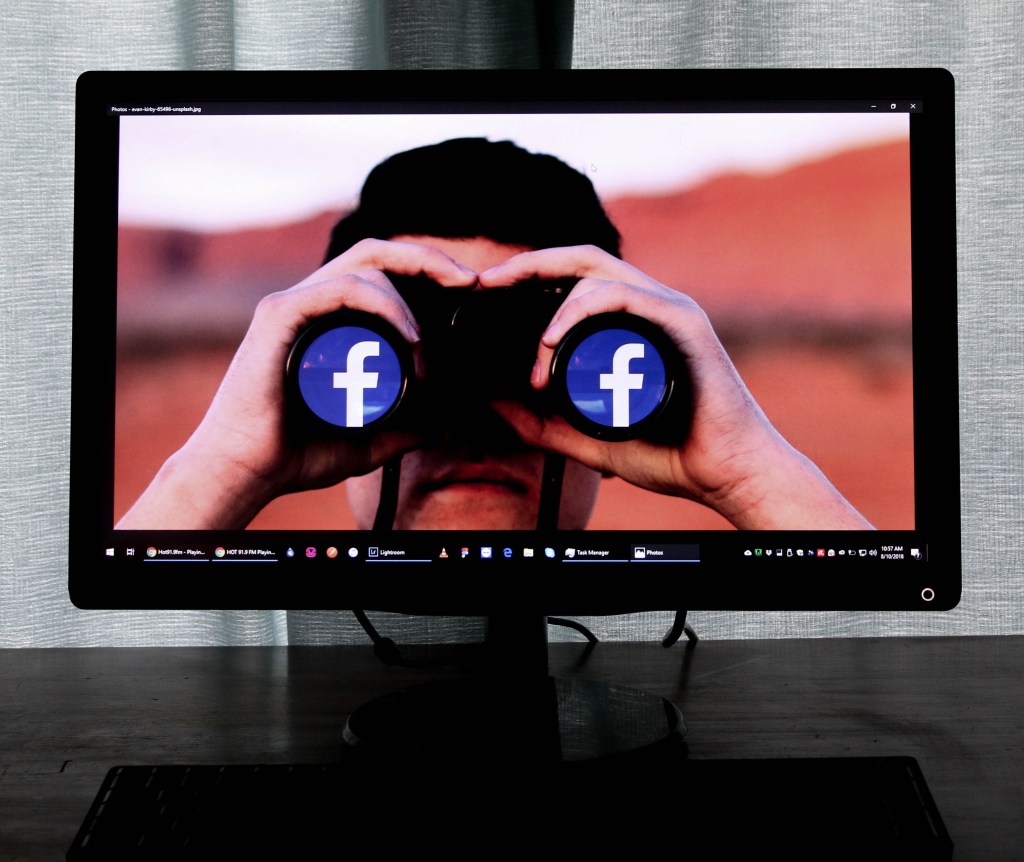
Unfortunately, people are turning to questionable sources–such as the oh-too-familiar Dr. Facebook or Dr. Google–for medical information. This has been glaringly apparent throughout the course of the COVID pandemic, but it certainly includes people looking for information for serious diseases like cancer. Often, the individuals most are risk of succumbing to “shocking cure doctors don’t want you to know about” misinformation are also the most vulnerable: those who are diagnosed with late-stage or particularly aggressive cancers.

Who can blame them? When things look desperate, we all hope to find some “secret” that has been tucked away somewhere. And that’s not without precedent, as there have been old drugs repurposed for a disease that work surprisingly well. So it does happen. It’s just that the first place that information pops up is not on someone’s social media page, and it’s extremely unlikely that the “cure” will be a special juice cleanse or your dog’s flea medicine.

Admittedly, I am intrigued by claims that pop up in less-than-scientific places. However, my first trip to the internet is to review whatever current research is available on the subject in the National Institutes of Health’s PubMed, and to see how reputable the journals are in which the studies have been published. Again, the Cancer Information Service would be an excellent resource for those who would like succinct info without wading through research papers.

No matter how tempting it may be to believe that some great cure is tucked away on social media, make sure you get your oncologist’s approval before you start any treatment.

Hands down, your best line of defense again bogus claims remains being a informed patient and educating yourself about what exactly makes a study trustworthy. Who is funding them? What does the methodology look like? A claim from a case study that blood cancers can be cured by rubbing toothpaste in your eye that appears in the National Enquirer and was funded by a toothpaste manufacturer…well, I don’t think I need to tell you on how many levels that’s a non-starter.

But for the sake of illustration, here we go:

  1. It already sounds fishy and harmful.
  2. “Case study” means that only one subject was studied, so the results cannot be generalized to a larger segment of the population.
  3. National Enquirer is not a reputable, peer-reviewed scientific journal.
  4. The funder of the study will gain financially from the outcome, which means there’s a confict of interest.

Certainly, the “study” above is an easy call. (For the record, I totally made it up, but if it sounds like something you might have seen on social media, well, there you go…)

But it’s not always that obvious. And often the info comes via well-meaning friends and family who are desperate to help. Please, consult with your medical team before you try anything out of the ordinary.

If you’ve honestly gotten to the point where you feel your team is not operating in your best interest, get a second opinion. If at all possible, change to a different oncologist.

But if the second (or third or fourth) opinion of a reputable and experienced cancer health professional echoes the original opinion, and no one is on board with the treatment you want to try…it’s time to ask yourself why you are so determined to go against the advice of experts, and reconsider for your own sake.

~~~~~~~~~~~~~~~~~~~~~~~~~~~~~~~~~~~~~~

It is unfortunate that many people hold doctors in contempt. As someone with a sibling who is a physician, I can promise you that most doctors do not enter the medical field because they think it’s a “get-rich-quick” scheme. They do it because they are driven to help people and they put in long exhausting hours under stressful conditions to do so. Again, if you feel that your doctor is not listening to your needs, then please seek out another qualified physician.