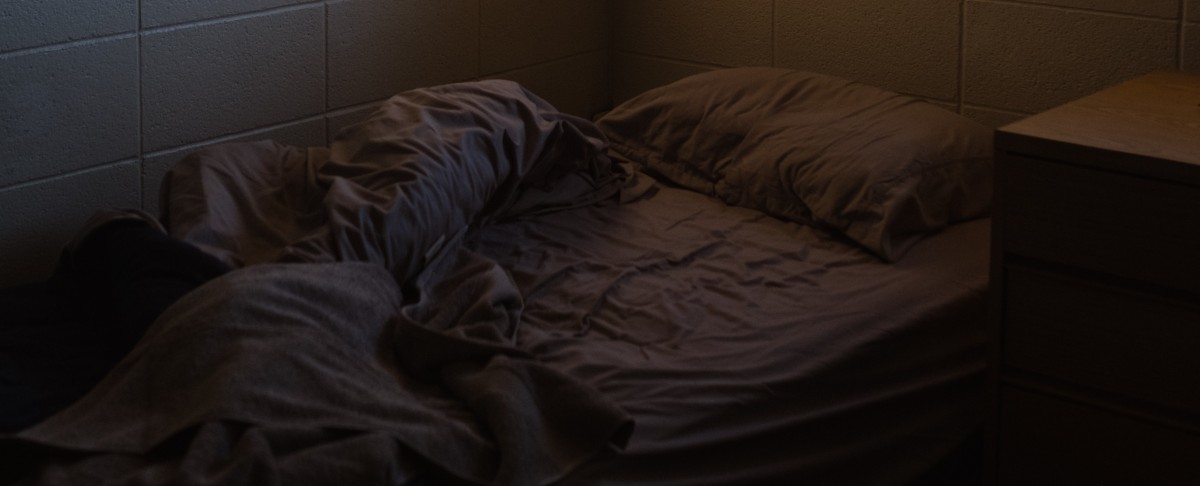
Chemo Side Effects: My First Infusion

IMPORTANT: The effects of chemotherapy vary from drug to drug and patient to patient. My side effects may be very different from what others experience. If you are about to start chemo, please consider not reading this post, as I do not want to cause you unnecessary anxiety. You have the right to enter into treatment without fear or preconceived notions that may be irrelevant to your situation! Instead, read THIS.

~~~~~~~~~~~~~~~~~~~~~

This is one of those “if you wanted to know but were afraid to ask” posts. It’s not meant to scare anyone. Chemotherapy has a frightening reputation, but often what really unnerves us are the unknowns. I took a lot of notes on my treatment experience and wanted to share these in case anyone was curious. This is a much longer post than usual, so kudos to anyone who gets to the end!

~~~~~~~~~~~~~~~~~~~~~

Today, April 27th, marks the two-year anniversary of my very first chemotherapy infusion for treating my triple-positive breast cancer. I was told that the first chemo was often a shock to the system and could be exceptionally hard on the body. This was true for me — sort of — because the nature of the side effects changed from one infusion to the next. My reaction to the first infusion resulted in the greatest variety of effects, a number of which didn’t significantly reoccur with subsequent infusions, even though fatigue became much worse by my sixth and final chemo session.

In addition, when I started I was not prepared to manage all the side effects effectively, whereas with later infusions, I knew better what to expect. I was most fearful of nausea as I had been warned that if I started vomiting it would be difficult to stop and might necessitate a trip to the Emergency Room. This was not a comforting thought. I was prescribed anti-nausea medications but even they had side effects, so I resisted taking them. Eventually, as mentioned in a previous post, I switched to CBD and it provided enough relief without any noticeable side effects, calming my fears. I was grateful that I lived in a state where it was freely available.
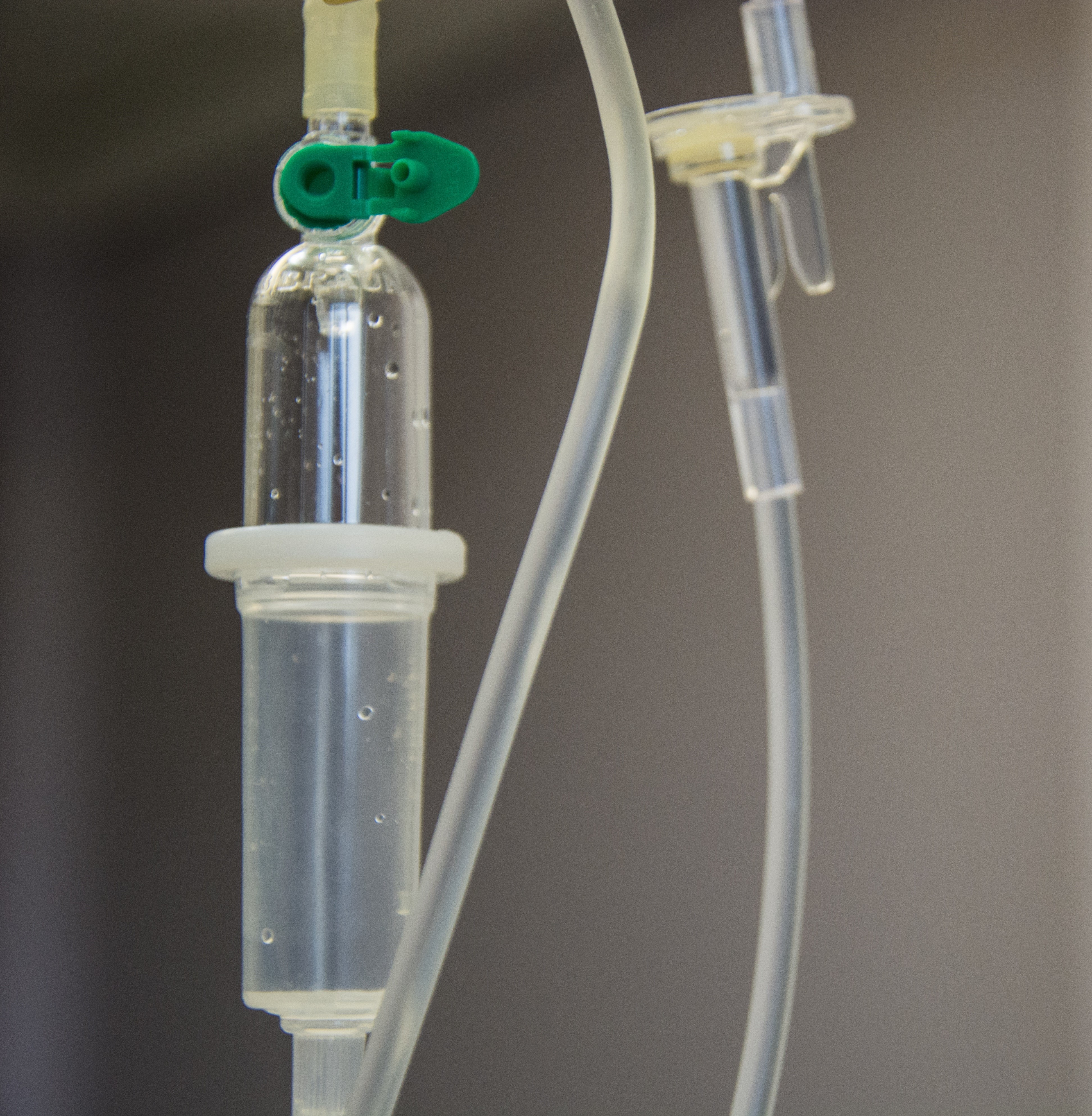
Drip, drip, drip…

My 4-hour-long chemo infusion session consisted of :
1) Herceptin
2) Benedryl & steroids
3) Taxotere
4) Carboplatin

This was in addition to steroids that I had to take starting from the day prior through the day following the infusion. That’s a LOT of medication for someone who was unaccustomed to taking drugs at all! Because of this, I can’t say my side effects were all attributable to the chemo drugs themselves, so this should be considered a run-down of the entire “chemo experience”.

4/27/2017:
This was the day of my first chemo infusion at my cancer center, following check-in and bloodwork. I received my I.V. seated by the nurses’ station so they could watch for adverse reactions, but I tolerated the infusion well. There were no acute side effects except sleeplessness from the steroids. I was off to a promising start!

4/28/2017:
I returned to the cancer center for a Neulasta injection (stimulated white blood cell production, which took a hit from chemo) and took Claritin (anti-histamine) prophylactically as it helped with potential bone pain from the Neulasta. No nausea, but I noticed that my stomach felt better if I ate more frequently. Finished up my last steroids but they were still affecting my sleep.

By that evening, things were looking surreal, like I wasn’t completely here.

BEWARE! Great food…but not a couple of days after chemo.

4/29/2017:
My stomach started feeling funny, particularly towards the end of the day. I still wasn’t sleeping well, and I had difficulty standing in place. And that afternoon I made what ranks as one of the biggest mistakes of my life: for dinner, I ate an entire package of Palak Paneer (Trader Joe’s). It was Indian food made with spinach, paneer cheese and spices. I was hungry, yes, but it was a foolish move. I would pay for it.

Shortly after dinner, I was overtaken by a wooziness and began regretting my dinner choice. After some fearful indecision, I took an anti-nausea pill (ondansetron) and propped my head up in bed.

4/30/2017:
Things started to get serious. My energy levels were dropping, and by the evening my stomach was on fire. I felt like I’d been hit by a truck. Putting my head down made me feel sick so I tried to sleep sitting up in bed.

That night was horrible. I took two different anti-nausea medications (four hours apart), but confused their order, so the pill I took first, I should have taken second (prochlorperazine, an anti-psychotic (!) drug with anti-nausea properties). Ho ho ho. Yeah, don’t do that. My dreams were colorless with a gritty texture, like someone had smeared coffee grounds on them. My nausea didn’t improve and I paced back and forth in the living room until enough time had passed so I could take the ondansetron pill that I should have taken first. Death was looking like an attractive alternative.

5/1/2017:
I was deep in the “real” side effects by now. I had severe fatigue and a woozy stomach, no appetite, bone pain and headache (probably because I couldn’t get coffee down). Most of this day was spent in bed. I tried taking CBD to help with the nausea, since I was getting constipated from the chemo and anti-nausea meds. I got the dosing wrong on the CBD, fell asleep, waking with a gasp because I thought I’d stopped breathing. Disconcerting, to say the least. For the record, I figured the dosing out by my second infusion.
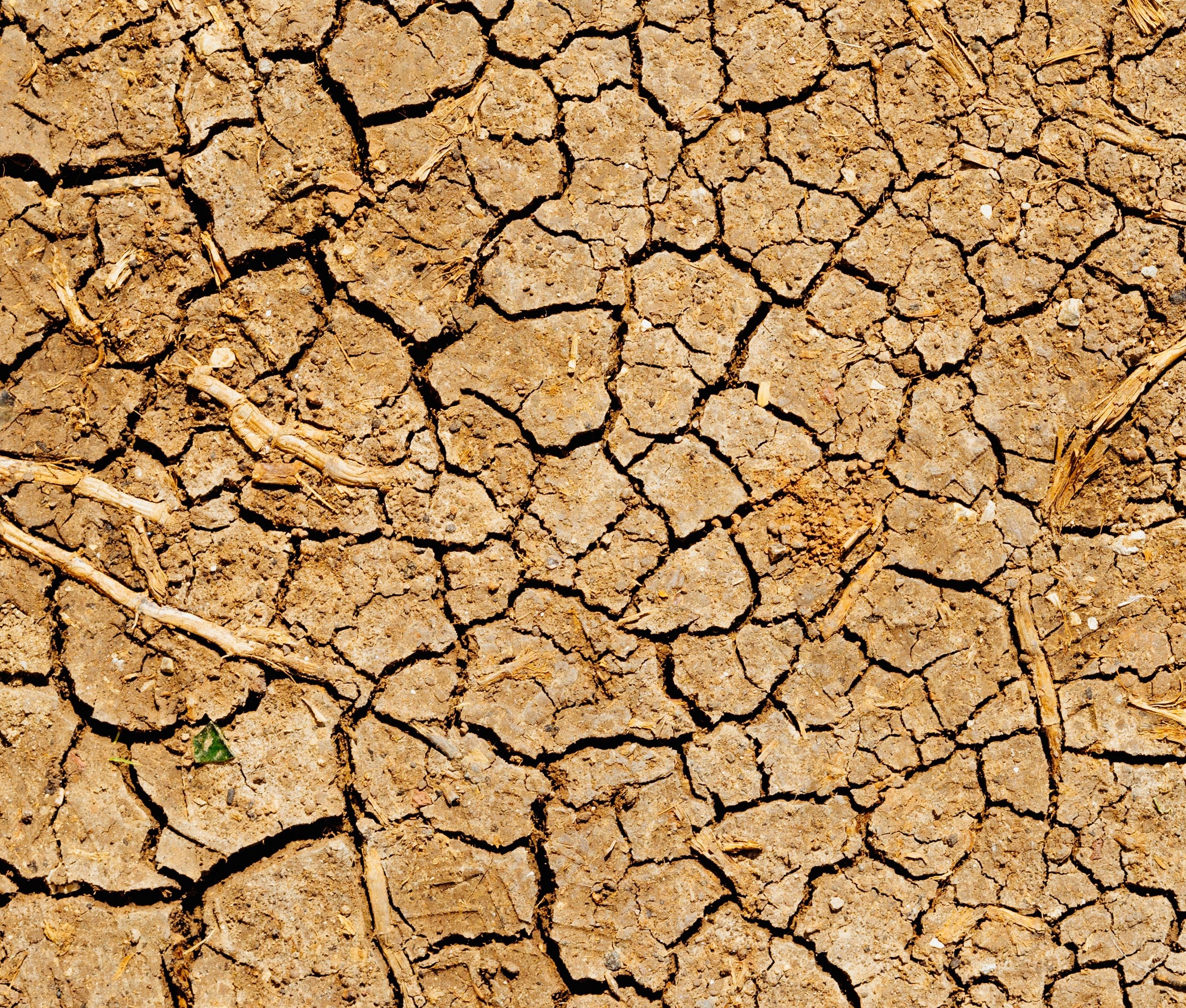
Chemo dries everything out!

5/2/2017:
My fatigue was starting to improve and my appetite was coming back, but my stomach couldn’t handle food (fun fact: chemo made the lining of my GI tract slough off). It was a frustrating situation: I was hungry but unable to eat. My throat felt raw and my skin was getting chapped. The inside of my mouth was drying out and it felt like there was gunk on my teeth even after brushing them.

Warning, TMI! I, the multi-decade vegetarian, was officially constipated. This was a miserable feeling. It took an hour of straining on the toilet to finally produce a post-chemo bowel movement, at which point I decided that I’d rather starve than go through that again. With subsequent infusions, I was able to tweak my diet and avoid a repeat. I can’t imagine going through this on a regular basis!

5/3/2017:
Finally! I got a good night’s sleep, although could have used a few hours more. My lips were severely chapped and my throat felt so swollen that swallowing was difficult. I tried eating crackers but as tender as the inside of my mouth was, it felt like I was chewing glass. Luckily, a salt-and-baking soda mouth rinse provided a little relief to the soreness. There was a lot of gunk on my teeth, probably because my GI tract was in rough shape and I was experiencing reflux.

5/4/2017:
This was my first day back to work following the infusion. The intense chemo fatigue had let up, but my throat was still sore, mouth raw and lips chapped. I was getting nosebleeds. I had a huge headache in the morning, but it eased after eating, which still required very soft and bland foods.

5/5/2017:
There was noticeably less mouth and throat pain. Still had a headache and chapped lips along with an itchy scalp. By evening my saliva had a strong bitter taste, making food less palatable.

5/6/2017:
My tongue stuck to the roof of my mouth overnight! Overall, my mouth and throat were feeling better and it was easier to swallow, but my skin was very dry and itchy, and my scalp tingled. Still, I was feeling much more normal, except that my saliva was still unpleasantly bitter.

5/7/2017:
Skin and lips were still chapped and I was having nosebleeds, but it was easier to eat crunchy foods. My saliva was still bitter but it didn’t seem as bad when I was eating. Swallowing was getting easier to do without feeling like I was taking air into my stomach, something that I realized had caused a lot of discomfort in previous days.

5/8/2017:
Most of my energy had returned. My skin and lips were dry and irritated and I had a runny nose in addition to nosebleeds. Now my mouth was able to handle carbonated drinks along with a more normal diet full of crunchy veggies. This was the first day that I was able to do a workout with weights, even though I had to keep it light.

5/9/2017:
Lips were still chapped and the inside of my mouth stuck to my gums at night. But finally I was able to eat spicier foods and the taste of my saliva had significantly improved. I was continuing to have sleep issues but I’m unsure if this was a leftover side effect or just a general reaction to the anxiety associated with cancer treatment.

5/10/2017:
Still chapped lips and dry mouth, but now I could eat whatever I wanted to with no discomfort.

5/11/2017:
My nose was bleeding much less, but — surprise, surprise — my hair started falling out. As a matter of fact, it was falling out on schedule, as I’d been told to expect hair loss about two weeks following my first chemo. So much for escaping that side effect.

5/12/2017:
Hair was coming out more rapidly. It probably wouldn’t have been noticeable to a bystander, but when I ran my fingers through it, I was left with a handful. I tried not to touch it so that I could get through my workday without creating bald spots.

5/13/2017:
Long hairs were dropping all over the place. I decided to cut my losses and have my husband clip all of it off. My next chemo session not for another five days, so I still had time to enjoy feeling good.

At this point, I had fully recovered from the chemo. In all honesty, the week after my first infusion I had no idea how I could go through it five more times. But with three weeks in between chemo sessions, I had enough of a chance to feel human again. In addition, while I would still have GI tract issues and experience severe fatigue with subsequent infusions, many of the above listed side effects didn’t return. I did, however, experience new ones: water retention, loss of taste, constant tearing of the eyes, very runny nose, loose teeth and the like.
This will pass.

My first infusion was a great lesson in being patient and taking things as they come. The side effects don’t happen all at once; it’s a cascade, with one rising up while another ebbs. When in treatment, the best you can do is to stay in the present and ride them out like waves.

The most important take-home point? Chemotherapy is doable. That doesn’t mean it’s a pleasant experience, but it’s one you can get through.
Between the Past and Future: A Cancer Survivor’s Perspective

I attended a workshop on cancer and stress given by the social workers at my cancer center. Since I like to take advantage of every opportunity to explore what’s going on inside my noggin I was looking forward to the presentation, but I didn’t realize that I would be offered a curious vantage point at the same time.

Sitting in the front row as I always do, I was joined by a woman who was awaiting the results of her second breast tumor biopsy; her first had confirmed cancer but another tumor was discovered shortly thereafter.

She told me about her racing thoughts, lack of appetite, inability to sleep — all those symptoms of intense stress that I also experienced as I awaited diagnosis. How odd it was to revisit this through her, now that I had a comfortable seat on the other side of that experience.

I commiserated with her, briefly offering up my own experience, and assured her that some of the anxiety would mellow once she had a definitive diagnosis and accompanying treatment plan. That’s the only thing I assured her of, knowing the nature of cancer, but I hope it gave her comfort seeing how far I’d already made it on the cancer journey.

And then, ironically, I realized that the woman sitting directly behind me was someone I had sat next to during one of my chemo infusions in 2017. I re-introduced myself, and while she didn’t remember me, she said she’d been through so many chemo sessions that it was hard to differentiate one from the other.

When I met her in 2017, she had hair and a good dose of energy. We talked about our kids (hers were grown) among other things. She was being treated for lung cancer but we didn’t dwell on the particulars. That’s not generally what you talk about during chemo. You gravitate towards non-cancer topics.

Things don’t always turn out the way we predict they will.

But now, she wore a ball cap to cover her bare head and walked with a cane. She seemed frail and was accompanied by a caregiver — several years of cancer treatment, not to mention the cancer itself, will do that to you. I’m not sure what her prognosis was, but given what I knew about her and the fact that she was still doing chemo, it probably wasn’t favorable.

There I sat, trying to stay present, next to my past and in front of my potential future. I had the good fortune of surviving the one and a decent chance of escaping the other.

There is no crystal ball with which we can gauge the future, deciding whether or not we like it, and if not, opting out. So here’s to making the best of the time that we have.

Passing Days One Pill at a Time

I have beside my bed a 7-day pillbox. Since I avoid taking pills whenever possible, opting for alternatives to medication, there is only one lonely but mandatory pill in each little box corresponding to the day of the week.

That’s tamoxifen, a final remnant of breast cancer treatment that I’ll be taking for years to come.

I observe the passage of time by the disappearance of the daily pills. They mark the days that I work and the days that I don’t (weekends and Wednesdays). Sunday mornings the pillbox is full. The work week looms before us bringing early mornings and sleepy heads. Wednesday provides a brief respite with an extra hour of sleep and a day crammed with personal errands at home rather than office work. When Thursday rolls around and I return to my job, only the Friday and Saturday pills are left until it’s time to refill the box again.

Days melt into weeks, weeks into months. Make them count.

The weeks seem to go by more quickly as I get older. Time feels slippery and days fuzz into the background. Weeks pass into months as pills are consumed. I’m unsettled by the possibility that when my decade of tamoxifen ends, I’ll realize that I spent ten years waiting the pills to finish and missing what was going on in the moment. It frightens me into wanting to distinguish this week’s row of pills from the next, to make next week different from the last.

I pause as I plop a fresh row of pills into their designated boxes. Could I be kinder to those around me? React more calmly? Sleep better? Support the needs of others more? View my shortfalls with compassion?

Every morning I am able to get out of bed and place my feet flat on the Earth. That is something to be very grateful for, no matter how difficult my week. I represent the fortunate ones who have been given the opportunity to remain alive and present in “now” and appreciate every precious day more than the one before.

Another Hairy Situation

It wasn’t until almost a year and a half after my last chemo that I finally got a professional, high-caliber haircut. After an adult life filled with boring medium-to-long hair in a ponytail, this was an about-face: a short and very stylish ‘do.

I don’t think I would have ventured to try this if I hadn’t been pushed into it by chemo. Then again, cancer pushed all my boundaries further than I would have gone on my own. I’ve always played it safe, but with cancer, there was no “safe”.

When chemo took my hair, I had no say in it. As the hair grew back, it did so slowly and in a pattern that was not attractive. Nothing I could do about it but be patient.

Front shot of my awesome new pixie cut! The hair on top is full and feels thick. I love the look!
Back view. This was the part of my head that unnerved me in the middle of the night. It felt so bare and brought back all sorts of scary feelings.

But in 2019, I was in charge and could decide at what length I wanted to keep my hair. I’d been surprised by how much I liked the new “me” with a short style, so I thought I’d be adventurous and go even shorter. My hairstylist happily obliged and this past week I got a full-on pixie cut that was absolutely adorable. It felt great to be calling the shots and reclaiming myself and my look.

But something unexpected happened that night. I woke in the darkness, unsettled with a touch of panic. My head felt bare, like my hair had crossed the threshold between short and “omigodthatisTOOshort”. For a split second, everything felt out of control again.

It took a bit to calm myself down in the pre-dawn hours of the day. I had wanted to be brave and cut my hair shorter, but it elicited those old feelings of the unknown. Wait, I reminded myself, all of this was “known” now. I knew my hair would grow back again. Add to that, several days before, I’d had a mammogram that confirmed I was in remission. So there was no need for the fears.

Be that as it may, it wasn’t so simple to let the feelings go. My hair carried powerful associations that had been seared into my unconscious mind. Losing locks to chemo meant relinquishing a part of me. While I thought I already understood its importance — I’ve written about it in a number of posts — it wasn’t until that night that I realized how tightly my hair was wound up in all those memories and sensations.

You’d think that once the hair grew in, everything would return to normal and there’d be nothing more to say about it. Not so, I’m finding, as I get hit in the face by these unexpected reminders of exactly what having cancer meant to me. Sorting everything out seems to get more complicated the further away I get from treatment. Who knew survivorship could be such a head trip?

View from the Waiting Room

I am weirdly at ease.

Today is my 3-D mammogram, the one that will either confirm that I’m in breast cancer remission or that I’m going to have another rotten year (or more). Two years ago, around this time, I was completely racked with anxiety in preparation for the diagnostic mammogram and ultrasound that would detect my cancer.

I feel placid. Granted, I do self-exams on an almost-weekly basis (it’s a survivor thing) and was checked out by my oncologist early last month, so I know there’s nothing palpable there, although the 3-D mammogram could pick something smaller up. But I’ve also matured in my ability to let go of thoughts that drag my mind away to wild extremes, and instead accept what is happening in the moment.

I admit that I’m holding off on travel and hair expenses until after my mammogram, because if my cancer comes back, the money spent on them would be better put towards treatment. Neither a cross-country flight nor an edgy new haircut would be in the cards for me.

If I could have one superpower, it would be to remain calm in every situation.

Another reason for waiting on making plans? It’s because the agony associated with desperately clinging to the desire to be cancer-free and then having those hopes dashed is excruciating. So for the moment, hanging around in limbo with less emotion invested in an outcome provides more comfort.

I started meditating in an effort to free myself of expectations. Today I am able to make space within myself to hold the possibility of both remission and recurrence, and then to think about neither.

So I sit in a comfy robe as I wait for the radiologist’s assessment, feeling the warmth of the cup of tea in my hand. I am here now, focused on the present instead of potential outcomes. And this is the most peaceful place to be.

~~~~~~~~~~~~~~~~~~~~~~~~~~~~~~~~~~~~~~~~~~~~~~~~~~~~~~~~~~~~~~~~

Shortly after I wrote the above, the radiologist came in to confirm the good news. Another year, another clean bill of health.

Last year when I got the “all-clear” I was still finishing up treatments. And the news felt like a huge release.

This year, I felt much calmer. Not gonna lie — somewhere inside, try as I might to release all expectations, I still expected to be okay. But I was able to not focus on the outcome of the mammogram and instead go with the flow of the day. This is a first for me, so my ability to maintain that level of calm may be more significant than being cancer-free.

Oh, who am I kidding? Being cancer-free kicks ass!

A Final Word On Risk Factors

Okay, maybe this post’s title is a lie, since I keep bringing this topic up. But I admit that I need to stop whining about getting breast cancer when I didn’t have risk factors, so I’m officially giving myself one last time to vent. And then it’s time to let it go.

First, what is a risk factor? The NIH National Cancer Institute dictionary defines a risk factor as “something that increases the chance of developing a disease”. However, that does not mean that it’s necessarily a cause of that disease. And that’s where the potential confusion (and in my case, irritation) arises.

While breast cancer has a number of risk factors, none of them are 100%-for-sure causal in nature. Even having the BRCA gene does not guarantee that you’ll get breast cancer, although your risk is quite high.

So why does this matter? Turn this around and look at someone with breast cancer. Based on risk factors, you’d expect them to be overweight, sedentary, a smoker, a drinker, an unhealthy eater…and you might be completely wrong. Ascribing unhealthy behaviors to an individual just because they are a cancer patient is potentially stigmatizing (it suggests that they are responsible for bringing on their disease) and ignores the fact that we still don’t know why cancer develops. And what of all those making poor health choices who do not get cancer?

Engaging in the opposite behaviors — being a lean, active, non-smoker, non-drinker with a plant-based diet — likewise is not guaranteed to protect you from breast cancer. And yet, that’s exactly the feeling you get from reading all the recommendations, which leads to a potentially dangerous false sense of security.

Risk factor, schmisk factor! Putting in the effort to live as healthfully as possible is well worth it, no matter what.

Certainly, no matter what disease you have, the more healthy behaviors you engage in, the better your outcome. However, even being a paragon of healthy living is not the “get out of cancer jail free” card that we are led to believe it is. So get yourself checked out and don’t take your health for granted!

What brought all of this up? At a recent gathering, I had an interesting conversation with another former cancer patient who also happens to be a medical psychologist. She felt as frustrated as I did about the way cancer risk factors are presented, so I felt a vindication of sorts. We both agreed that it is critical to highlight the difference between cancer risk factors and causes. And of course, no matter what your perceived cancer risk, to live as healthfully as possible.

Now that I’ve gotten that off my chest, I will do my best to shut up and move on.

1975-2019

Unbeknownst to me, the friend whom I wrote about in “Waiting To Say Goodbye” had already passed by the time I posted last Saturday. The end came very rapidly but peacefully Friday at sundown, allowing just enough time to enable her to be surrounded by everyone in her immediate family.

This is sudden and painful. She and I had spent a good chunk of 2017 sharing breast cancer treatment experiences. We knew that there were no guarantees with cancer, but we both had hope. Neither one of us imagined that this would be one of the outcomes.

After she knew her cancer had spread, she continued living as she always had, toughing through the hard parts. She didn’t want people asking her how she was feeling, she wanted to keep on going until she couldn’t go anymore, and that’s what she did. Her decline was so swift that she had felt well enough to do everything normally until the last few days before her passing. That was a beautiful gift that she genuinely deserved.

Understanding that nothing in this life is permanent doesn’t make her death any easier to accept, although it does underscore how things change no matter how desperately we cling to them. I strive to practice non-attachment, but who am I kidding? I am too attached to people and expectations. Yes, it does cause suffering, but right now suffering is just what I do.

Eventually I may transcend this. Eventually.

I end this post with a quote from Claire Wineland, the 21-year-old cystic fibrosis activist who passed away from complications from lung transplant surgery on September 2, 2018. She had spent most of her days knowing that her time on this Earth was short and urged people to live life to the fullest: “Go enjoy it, ’cause there are people fighting like hell for it.”

Waiting To Say Goodbye

One of the inevitable parts of being a cancer patient is that you get to know other patients. Equally inevitable, however, is the fact that not everyone has a positive outcome. This week, one of my friends with whom I went through my cancer journey entered into hospice.

We had received our breast cancer diagnoses within several months of each other and occasionally met for coffee as we discussed our treatments. It was a safe conversation, as we were sharing similar experiences with similar fears that only someone in the same situation would “get”. We both enjoyed these opportunities to compare notes and allay anxieties. I had been publicly open about my cancer, but she was more private and circumspect about whom she told, so I was one of the few people who knew her condition.

But as our treatments came to a close, our paths began to diverge. My cancer treatment had been more straightforward because the drugs I was given were well-targeted to my type of tumor. Hers was a more complex situation – a more aggressive tumor with no clear targets, complicated by an existing chronic health condition. While I was declared cancer-free, diagnostic scans found “spots” in other parts of her body, tiny ones that had caused suspicion early on but had been too small to biopsy.

These sports grew larger and a biopsy confirmed her fears. Her cancer had spread. Due to her other health issue, she had not been able to tolerate the most prescribed and effective chemotherapy given to patients with her type of cancer tumor. Therefore, her best option was not available. Immunotherapy was attempted but that failed to produce positive results.

At this point, I was hearing about her disease progression second-hand as she wasn’t open to having coffee. I respect her reluctance to meet with me, because if the tables were turned, I don’t think I would have wanted to be discussing my worsening situation with someone who had been in a more fortunate position. Consider this analogy: you’re on a highway. The cars all drive at similar speeds and travel is pleasant. But if you need to pull over — perhaps there is car trouble — you suddenly feel like the world is passing you by. Every whoosh of an automobile is a reminder that you are not moving. You feel frustratingly stuck and left behind, wondering whether you’ll be able to re-join everyone else on the road again.

Her decline has come abruptly. She’d been living on her own all along, but then came dizziness and aches and pains. It started at the beginning of this past week. By Wednesday, her parents were setting up hospice in their home and had ‘round-the-clock care secured. So fast, so fast. It feels like we need to catch our breaths. No one is prepared for this.

I was told yesterday that she had only days left. I am in shock. I had originally planned to bring over bright gerbera daisies this morning, but decided against it, as she is not able to take visitors.

It’s raining hard today and for the next several days. The weather is uncharacteristically gloomy and foreboding for this part of the country. When she passes, I pray that her transition is gentle and the sun is shining.

In Honor Of Thich Nhat Hanh

According to a recent Time article, Zen Master Thich Nhat Hanh, who is considered the father of mindfulness, is close to death, never having fully recovered from the stroke he suffered in 2014.

Although that report has been disputed by Plum Village (the school of Buddhism coming out of the Plum Village Monastery, which Thich Nhat Hanh founded in France), at 92, the monk is certainly frail. He has returned to the temple where he was ordained decades ago, Tu Hieu Pagoda in Hue, Vietnam, to live out the remainder of his time on Earth.

Due to his condition, Thay (“teacher”, as he is affectionately called) is unable to speak, but he still manages to serve as an example of living in the “now” and appreciating every day. Thay is considered one of the greatest teachers of Buddhism and his influence has reaches countless millions.

Mindfulness has played a significant role in my life and emotional well-being since my breast cancer diagnosis in early 2017; however, my first exposure to Thich Nhat Hanh was in the early 2000s, during a program called Speaking Of Faith, hosted by Krista Tippett on NPR. I was transfixed as I listened to the story of his life, his anti-war activism during the Vietnam War and his interpretation of Buddhism. We purchased several of his books, specifically the ones he wrote for children: Each Breath A Smile and Under The Rose Apple Tree.

Thich Nhat Hanh at Hue City, Vietnam (2007) (in dark vestments). Photo: Lưu Ly

It wasn’t until my cancer experience that Thich Nhat Hanh’s teachings resurfaced in my life. I am deeply indebted to mindfulness for taking me through cancer treatment into recovery and survivorship. And yet, even now, I understand mindfulness in only the most superficial way. Every day of my meditation practice brings me more deeply into it. It has been invaluable not only in dealing with anxiety, but also in cultivating compassion for myself, something that has not come easily.

Most recently, I’ve been utilizing mindfulness to help deal with chemo brain, which continues to plague me. When I feel stupid, can’t remember things or lose concentration, mindfulness provides the way to be more patient and understanding with myself. By staying present, I’m better able to focus. Am I good at it? No, not at all. But I do my best. It’s a process. And if I weren’t practicing mindfulness, I would be in a much worse place.

While I am Roman Catholic, I’ve found that Thich Nhat Hanh’s Buddhism resonates with me, particularly as I watch Christianity struggle with hypocrisy. The practice of mindfulness was the most important gift that I received with my cancer diagnosis, and it allowed me to find even a sliver of peace in what was a dismal situation. I am coming to accept where I am now, not holding on too tightly, but appreciating what I have.

Are We Stigmatizing Cancer Patients?

Since my breast cancer diagnosis, I’ve kept a close eye on both the popular and scientific literature regarding potential causes of breast cancer. There’s a lot of new information coming out now, but the core recommendations for lowering one’s risk of breast cancer remain the same.

In fact, current research is reinforcing them: keep a lower weight, eat more fruits and veggies, exercise, don’t smoke, don’t drink. While I’m oversimplifying, that’s the gist of the message that’s being disseminated. Some articles go a step further and make bold statements. One in particular stressed that cancer was preventable through lifestyle changes. Anand et al., 2008 claims: “cancer prevention requires smoking cessation, increased ingestion of fruits and vegetables, moderate use of alcohol, caloric restriction, exercise, avoidance of direct exposure to sunlight, minimal meat consumption, use of whole grains, use of vaccinations, and regular check-ups. …[W]e provide evidence that cancer is a preventable disease that requires major lifestyle changes.”

Of course, when I read these recommendations, all I absorb is, “You irresponsible ass, you’re not doing enough to protect yourself!” The fact is, I was doing all that and more, and I still got breast cancer. If you’ve read some of my other posts, you’re probably sick of hearing me say it. I shouldn’t have gotten breast cancer according to all the guidelines out there.

So here’s the issue that I have with all these helpful suggestions. They keep repeating lifestyle changes that should be implemented to lower your cancer risk. Let’s face it, it doesn’t matter WHAT disease you’re trying to avoid, you should maintain a healthy weight, exercise regularly, not smoke and so forth.

We can’t automatically assume that if someone has cancer, they must have been engaging in unhealthy behaviors.

The stigma of cancer comes in when we start making assumptions about WHY someone gets the disease. Given all the purported connections with lifestyle for breast cancer, that assumption may be that the woman (or man) brought it upon themselves. The more that we stress lifestyle changes, the stronger the connection becomes in the mind of society: if you get cancer, you were clearly doing something wrong and it’s all your own fault.

I will be the first to stress the importance of doing everything you can to improve your health. But we have to accept that given our current lack of understanding regarding the exact agents that bring on cancers, we cannot put the “blame” squarely on the shoulders of the patient.

Consider lung cancer. We’ve known for a long time now that there’s a powerful connection between lung cancer and smoking. But what of the non-smokers who get this cancer? According to the American Cancer Society, “As many as 20% of people who die from lung cancer in the United States every year have never smoked or used any other form of tobacco.” Isn’t it tempting, however, to immediately jump to the conclusion that if someone has lung cancer, they likely deserved it, since so many lung cancer deaths are attributable to smoking?

While smoking does account for 80% of lung cancer deaths, that’s only a general statistic. Statistics work well for populations, but they can be strikingly inaccurate when it comes to pinpointing causes for an individual. For example, one of the youngest known cases of lung cancer was in an 8-year-old girl in Jiangsu Province in China due to some of the worst air pollution on the planet, not to a pack-a-day habit. So we need to be careful about the assumptions that we make.

Back to breast cancer, if you were to construct a picture of what a “typical” breast cancer patient would look like based on the recommendations for what to avoid, you’d come up with an overweight, sedentary, smoker/drinker with a bad diet. But if you start picking this apart, you find that these predictions don’t hold up. For example, the connection between breast cancer and weight is complicated. In fact, many of the women I know with breast cancer had healthy habits, and most did not look like the picture that we constructed at the top of this paragraph. In contrast, there are numerous women with unhealthy habits who remain cancer-free.

Statistics work well for populations but are lousy predictors of what actually happens to a given individual.

This message that we send about how to lower your risk of cancer raises the possibility of stigmatizing the patient. It suggests that we have control over our outcome, and this is simply not the case. Currently, we don’t know enough about what causes cancer and what to do to truly avoid it. And if we do what we can to lower our risk of it, that only means statistically lower our risk. That doesn’t guarantee that we won’t get the disease.

My painful personal lesson was to not assume that I could avoid cancer by following health guidelines to a “T”. At the same time, I had to shake the notion that I had done something wrong to willfully bring cancer upon myself. Ultimately, I had to let go of both control and responsibility because neither one had a role in this disease for me.

The best we can do is live as healthfully as possible, accept the uncertainty that comes with a situation this complex, and not judge those who have been unfortunate enough to fall prey to the disease.