“The Human Side of Cancer”

I first learned of Dr. Jimmie Holland’s work through her obituary in the New York Times, following her passing on December 24, 2017. As a psychiatrist at Memorial Sloan-Kettering Cancer Center, she was credited with pioneering the field of psycho-oncology, which addresses the stuff that goes on in your noggin while you’re making your way through cancer treatment.

Years ago, Dr. Holland became frustrated by the fact that cancer patients were questioned about how every inch of their bodies felt, but oncologists neglected to ask about the state of their emotions. I’m grateful for her recognition of this fact and I completely agree with her. The psychological experience of cancer is a critically important element in treatment, one that is too easily overlooked by hospitals and physicians in their rush to address physical symptoms.

The late Jimmie Holland, a psychiatrist who happened to be married to an oncologist, understood the many psychological pressures affecting cancer patients.

I highly recommend Dr. Holland’s book, The Human Side of Cancer: Living With Hope, Coping with Uncertainty, which still sits by my bedside even though I finished reading it well over a year ago. While I read it cover-to-cover, it works just as well as a reference text, set up so that you can go to the section most relevant to you.

For me, with a background in psychology, this book was exactly what I was looking for, but certainly psychology degrees are not necessary to utilize what’s on these pages. The book was written for both patients and caregivers, for those undergoing treatment and those on the path of survivorship, dealing with a poor prognosis or experiencing a recurrence. There is information appropriate for all these varied situations and all types of cancers.

The book is divided into 16 chapters, followed by a listing of resources. The chapters are as follows:

  1. What Is the Human Side of Cancer?
  2. The Tyranny of Positive Thinking
  3. The Mind-Body Connections and Cancer
  4. The Diagnosis: “I Could Die of This”
  5. Working Together
  6. Coping
  7. The Human Side of Cancer Treatments
  8. The Human Side of Specific Cancers
  9. All Medicine Doesn’t Come in a Bottle: Psychological Treatment
  10. Alternative and Complementary Therapies
  11. “I’m a Survivor–Now What?”
  12. Staying Healthy
  13. The Goal is Control
  14. The Last Taboo
  15. The Family and Cancer
  16. How Do I Go On?
At some point, I had to stop tagging pages because, honestly, I wanted to tag everything.

I enthusiastically plowed through this book because Dr. Holland was writing exactly about the things I’d been thinking about. Most of the parts that I tagged for future reference were in the center (chapters 7-11), but in its entirety, the book is invaluable. Dr. Holland provided numerous examples of situations that her patients experienced in addition to offering practical advice on a variety of topics. So many sections spoke directly to questions that I’d had, such as, “Did Stress Alter My Immune System and Cause My Cancer?, “Are All These Problems [from treatment] Worth the Long Term Gain?” and “Am I a Cancer Patient or a Cancer Survivor?”, to name several. I was surprised by how many issues that had been bothering me showed up in the pages of this book.

Cancer is never an easy topic, but thoughts about potential outcomes and treatment consequences are the reality that cancer patients live every day. This book addressed everything about that reality, and it was perfect for where my head was at the time I was reading it: having had surgery, chemo and radiation, still undergoing monoclonal antibody infusions. My hair had just begun to grow back in and I was happy that the “worst” of my treatment was over, but I was facing the uncertainty of the future.

I remember reading The Human Side of Cancer and being excited by how relevant the material was to my life, and simultaneously wondering why this wasn’t required reading for anyone receiving a cancer diagnosis. Or every oncologist on the face of this planet.

If you are a cancer survivor, current patient or caring for someone who is, I encourage you to get a copy of this book. You might not realize how much you need it.
Gratitude, Every Night

One of the most intense emotions that I felt after being diagnosed with cancer was anger. I felt betrayed by my body and the medical community. I’d done everything that I had been told I was supposed to do to bring my breast cancer risk down to as close to zero as I could, and still cancer found me.

In reality, until we discover what causes cancer, we can never eliminate our risk of the disease. Of course, I wasn’t thinking like that. I had been completely blindsighted (as, I’ve learned, so many are) and was furious about it.

So when I read a suggestion about finding things to be grateful for, I scoffed at it. Until I actually thought about what I could potentially be grateful for.

The result was overwhelming. In the midst of what had gone wrong, there was so much that had gone right! So many things that could have been worse, so many lucky coincidences that improved my situation. So much to be grateful for! Where my way had been obstructed by brambles and thorns, now lay a welcoming path.

I sat slack-jawed, humbled by my many blessings, as if they had been planned out to benefit me. If I had to develop invasive breast cancer, then so many things were working together to make my journey easier.

I kept a gratitude list and continually added to it. Invariably when I sat down to write my mood would gently soften. Even so, I struggled. There was a perpetual tug of war between hot emotions and the soothing breeze of gratitude. Many times the heat would overtake me.

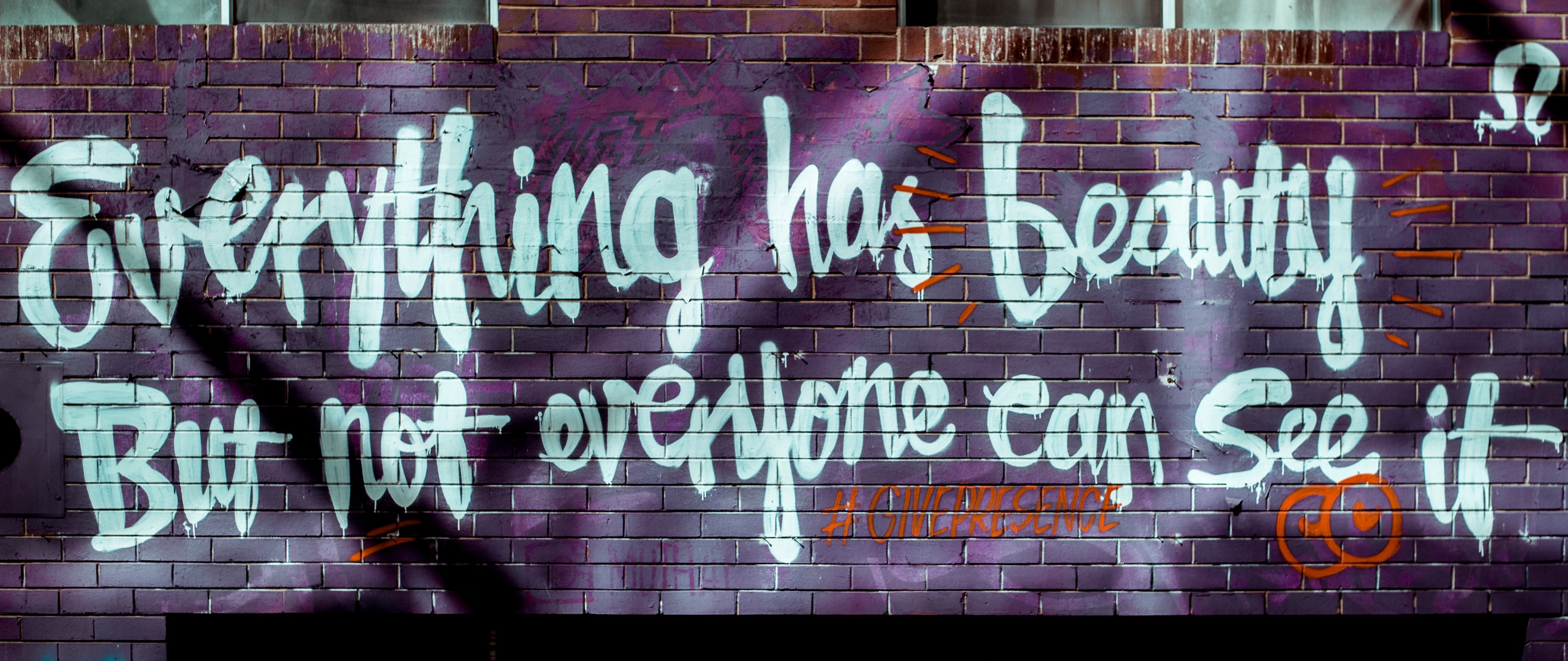
Gratitude returns the beauty that anger steals away.

Time has passed and distance offers perspective, and while I am not perfect in making space for all the frustration associated with repercussions of my treatment, I understand the importance of working on it.

Every night, therefore, right before bed, I make a list of five things that I am grateful for. They don’t need to be big and they don’t even need to have taken place that day (although often they have). If they’ve evoked gratitude, they qualify.

I can always find at least five things and that is a heartening thought.

Settling into bed, thoughts of wonderful things fill my head and put a smile on my face, shepherding me to sleep. There is no better way to end the day.

Balancing Side Effects vs. Quality of Life

“Remember that your doctor has prescribed this medication because he or she has judged that the benefit to you is greater than the risk of side effects.”

I can’t tell you how many times I’ve read that statement on the informational leaflets from various bottles prescribed for me. When it comes to a disease like cancer, it might as well say, “You think these side effects are bad? Hohoho, just try not taking your meds!”

This does not give warm, fuzzy feelings of hope. Then again, there’s not much about cancer that’s warm and fuzzy.

It can feel like the treatment is as bad as the disease.

I, admittedly, am generally accepting of the advice given by knowledgeable professionals. When my oncologist laid out a treatment plan, I didn’t argue, although when offered a choice between an effective targeted therapy versus an even more effective but also more toxic one, I opted for lower toxicity.

For me, it was a quality of life issue. If I’m “cured” of cancer but end up with severe heart problems…well, I’d rather take my chances with a less damaging option.

Cancer still remains life-threatening, now as it did decades ago. The difference is that patients are living longer and some go completely into remission. Survivorship should be considered a factor when designing a treatment plan, as should long-lasting repercussions of side effects.

So if I had one request of oncological health teams, it would be that they look beyond simply bombarding the cancer and consider the physical and mental condition in which they leave the patient, being sensitive to the possibility of ‘overtreatment’ in their exuberance to squash as much of the disease as possible.

Should you use a sledgehammer when a rubber mallet might be sufficient? Is “just to be sure” a justification for side effects than can compromise your quality of life, however long that is?

It’s not always easy to find that sweet spot between acceptable risk and tolerable side effects.

There is no “right” answer to this as everyone’s situation and risk tolerances are different. So if I could have a second request of the medical community, family and friends of the patient, it would be that they respect the limits and decisions of the one who’s going through this.

To be able to weigh the risks and decide what’s acceptable and where to draw the line — that might offer at least a semblance of control in the crazy roller-coaster ride that is cancer.

“Fly the Friendly Skies”?

What if the skies aren’t guaranteed to be friendly?

While I’ve not been a nervous flyer in the past, I’ve haven’t flown since 2005 (!) and I’m starting to feel unsettled about our upcoming trip. It’s going to be a cross-continental red-eye during which I’ll be Tetris-ing myself into a plane seat (I’m 5’11”) and trying to sleep upright. Then there’s that plane change in the wee hours of the morning, at a time when any sane person would be fast asleep.

After writing a post on the importance of sleep, I’m going to go against my own advice and really screw up my family’s sleep cycle. So there’s that. But I’m also feeling prickly about making it through security, finding storage room in the overhead compartments, making our connection on time, picking up the rental car and remembering how to get to my parents’ home on a few hours’ sleep.

Oh yeah, and hoping that the plane doesn’t drop from the sky. That’s a biggie.

Life: enjoy the flight.

For a cancer patient, plane flight is one of those things you’re supposed to avoid. While I’m well past “patient” stage, my white blood cell count remains abnormally low, so breathing recycled air in cramped quarters is a bit of a concern. Taking Tamoxifen brings with it a risk of deep vein thrombosis, which is associated with long plane rides, and I’ve been warned about breast cancer survivors developing lymphedema due to the changes in air pressure during airflight.

Okay, okay, okay, realistically none of that will cause me problems. And all those other worries about the trip? They only matter if I’m thinking about them. When I’m not thinking about them, they don’t exist (*crossing fingers*).

Of course, the risk remains. I can sleep calmly on the flight with 99.99% confidence that we’ll get to where we need to go without mishaps, but there is that 0.01% that hangs in the back of my mind. Whether or not I give it attention depends on me. My life is not going to be any better if I’m fretting about it.

Cancer is the same way. There is no guarantee that I’ll stay cancer-free and I have to live with the possibility of recurrence for the rest of my life. That is disconcerting, particularly to a card-carrying worrier like me, but when I detach from that and simply appreciate where I am, I find that my days are a lot brighter. So for both air travel and life, the best course of action is to sit back, relax and just enjoy the flight.

Sleep, the Ultimate Good

I hold sleep as one of the most critical elements of self-care in our lives. Get enough sleep and the whole world looks brighter. But ignore the call of the mattress and dire consequences await.

This is especially true for me, as I slog through the ever-changing side effects of my current anti-cancer therapy (Tamoxifen). The amount and quality of sleep I get sets the tone of my day and determines my resilience to work and life stress. In addition, sufficient sleep has a significant positive effect on my cognitive functioning, which took a hit from cancer treatment.

But this is not limited to my personal experience. The more we learn about the science of sleep, the more we understand how our electronics-driven lifestyles disrupt sleep patterns and affect us as a society.

Dr. Matt Walker (UC Berkeley) is a strong proponent of sleep, and for good reason. He outlines in his TED talk (19:19) below some of the latest research on the repercussions of not getting enough shut-eye, and it’s not pretty. As a cancer survivor, I find this information particularly sobering. While I’ve written about the downside of placing superhuman expectations on ourselves, having THIS kind of superpower, getting sufficient sleep, is literally life-preserving.

Let’s start with “testicles”…

Dr. Walker’s two main suggestions for good sleep? (14:16 in the video)
1) Keeping a regular sleep schedule, retiring and rising at the same time regardless of day of the week.
2) Keeping your bedroom temperature at about 65°F (no mean feat without A/C in the summer months!).

For many of us, improving the amount and quality of our sleep will take concerted planning and possibly sacrifices. We live in a 24-hour-a-day world and sometimes we try to keep up with that ’round-the-clock pace; ultimately, however, we pay the price for it. There should be no question that sleep is critical to our well-being and it’s time that we give it the priority that it deserves.

Why Do We Demand Superhumans?

“…and a shoutout to Sharon in Accounting for submitting her financial report on time from her hospital bed, even with spotty WiFi. Way to show that losing both arms in a car accident doesn’t mean you can’t type with your nose! Everyone else, what’s your excuse?”

We in the US seem to take particular pride in demonstrating our inability to maintain a sane balance in our lives, viewing those who don’t exhibit an indomitable will as not trying hard enough.

Persevering in the face of adversity is laudable. But then, is experiencing difficulty doing so a weakness? Or just confirmation that we can be vulnerable and have limitations, and that’s perfectly acceptable?

It’s not always possible to rise to the occasion. Cancer patients experience this. They are told to “be strong, you can beat this!” “Never give up!” They are supposed to be warriors with limitless energy for the fight.

Lemme tell ya, sometimes you don’t feel like a fighter. Sometimes all you can do is just show up, and that’s a victory.

It’s okay to be just human.

But there’s always that one person who manages a quasi-superhuman feat while undergoing a particularly grueling treatment. We’ve all heard about their inspiring story because they’ve been held up as a shining example of what can be accomplished even in the darkest of times and most difficult of situations. So if they can do it and you can’t, what’s wrong with you?

Maybe there’s nothing wrong, maybe it just means that the most important thing in your life is to focus inwardly on your healing in whatever way you need to. Why should relentless productivity overshadow self-care?

Every being has limits, and where exactly they lie will vary between individuals and depend upon their circumstances. Not having the energy to push on where someone else did does not make you a lazy or unmotivated or selfish person. It just means that, yep, you’re still human.

A wise man once said to me, “There is no special place in heaven for people who don’t take care of themselves.” It’s time to stop acting like there is — so go home and get some rest.

A Loss…and a Laugh

I lost my Costco card today. Somewhere between the entrance and the check-out line. It’s not the end of the world since I was promptly issued a new one, but the old one had a photo of the pre-cancer me on it.

Reminders of that “old me” are disappearing as I redefine who I am. Yes, life is constantly in flux and change is inevitable but I’d be lying if I said it doesn’t hurt.

Cancer has been about loss for me. Loss of weight, loss of hair, loss of concentration, loss of physical fitness, loss of over a year spent in treatment. Loss of a friend to the disease. Out of nowhere, losing that one seemingly insignificant warehouse card brought this all back.

There have been gains too, and much to be grateful for. I could draw up a long list. But today I can’t write about them.

Today I longed for what was gone. Tomorrow will be better.

~~~~~~~~~~~~~~~~~~~~~~~~~~~~~~~~~~~~~~

The clouds parted, the sun shone forth and nothing really changed but my attitude.

So, after all that angsty serious talk, I got home and realized that my old Costco card was in my back pocket all this time. D’oh! I’d forgotten that I’d stuck it there!

Wow, I felt silly. They say hindsight is 20/20…well, looking back at how darkly I’d taken this, it did seem a bit ridiculous that I’d packed so much meaning into a piece of plastic.

And in a swoosh, the clouds cleared out, the sun peeked through and the world looked different. I still have that new post-cancer photo on my Costco card, but I’m laughing at myself and it doesn’t seem that bad.

Same situation, new perspective.

And then, if we realize that we can change our perspective…?

Letting Go in 5…4…3…2…

Several nights ago I woke at 3am, my brain abuzz with images of what had taken place that day. In an effort to divert my attention and fall back to sleep I focused on my breath, but I was so groggy that I couldn’t concentrate effectively.

So instead I imagined a beautiful sunny field with chirping birds and various animals coming by to snuggle with me. It was the epitome of placidity and contentment. A darling fawn nuzzled me. Then a purring lion tenderly rubbed up against me. And attacked me.

Seriously??? This is my self-created fantasy and I can’t manage to keep it positive???

But perhaps I shouldn’t be surprised. I’m a few days out from a 3-D mammogram that I’ve managed not to think about because I’ve had such a busy week at work. It will be the first mammogram since completing all my cancer treatments, so it’s kind of a big deal. Somewhere in the back of my mind fears and what-ifs are simmering. It’s scanxiety rearing its ugly head.

People tell me that everything is going to be okay. But how can they say that? This is cancer. There is never a guarantee that everything will be okay. For others to say that to someone who’s been through the full spate of treatments sounds like a brush off. Even when everything is “okay”, it may still not be okay! And sometimes it’s worse.

Sure, Mr. Expectations, you look so cute and peaceful, but if I get too close, you’ll take my head off.

I wrote a letter to myself the evening before my original diagnostic mammogram way back in early 2017, trying to calm myself down because I was an anxious mess. And in that letter I told myself that I’d be able to go back and re-read it after the mammogram and chuckle about how worried I’d been and how everything actually worked out. I tried to reason myself into calm, noting how unlikely it was that I had cancer. That tenuous serenity was blown the next morning by the radiologist who read my scan.

I remember that crushing feeling — it’s what colors my experience right now. I want to believe that everything will be okay, and yet the spectre of possibilities hovers over me ready to potentially ruin my day (and life!). I don’t think that the cancer is back, but I’ve put off making summer travel plan. Just in case.

Gah, is this what the rest of my life will be like? Being fearful of making plans? That’s not a good use of the time I have left on this planet.

Mindfulness as espoused by Jon Kabat-Zinn (drawing heavily on the Buddhist wisdom of Thich Nhat Hanh) speaks of non-attachment. Having expectations and being attached to their outcome causes suffering. I can attest to that.

Trying to reason through to an “answer” only increases agony. So I will take deep breaths and stop thinking.

“Random Acts of Kindness” Day

Throughout my cancer treatment, it was the smiles, gentle hugs, kind words and unexpected “going-out-of-their-way” little extras from those around me that made a huge difference and left a lasting impression on me.

Now, as I gradually wind my way through survivorship, memories of those acts smooth over the physical and emotional pain associated with cancer. Those soothing feelings are too powerful to keep to myself. Given the general vibe in the world today, the hyperpolarization of people’s opinions and the resistance to leaning over and trying to empathize with others, we need more kindness everywhere.

“But what if the person doesn’t deserve it?”

Then that is a person truly in need of it.

It won’t hurt a bit, I promise.

There is no limit on how many smiles you can dispense, doors you can open and kind deeds you can do. It doesn’t have to cost anything. And if there’s one thing that I’ve found, it’s that random acts of kindness have a two-fold benefit: for the person receiving the kindness and for the person giving it. It’s the ultimate win-win.

There are only so many hours left in this day of kindness. Take advantage of them. And then make every day a “Random Acts of Kindness” Day.

Scanxiety

Yes, “scanxiety” is a thing. And I’m already regretting writing about it because it’s bringing home the fact that in a week and a half I have a mammogram coming up. It’ll be the first one since completely finishing my treatment almost a year ago.

You can google the definition of scanxiety, but any cancer survivor can offer their version. Mine is the unease that increases as I get closer to THE scan, the one that will pronounce me cancer-free for another year. Mercifully, I will have an unusually busy week at work which will keep my mind equally busy, and the rest I will have to power through with mindfulness and focus.

The unsettling thing about this is that for a short while, it’s a Schroedinger’s cat kind of situation. Around scan time, I am simultaneously a cancer patient and a cancer survivor. Prepare for the worst, hope for the best. It’s altogether unsatisfying.

This mammogram opens the door to the potential of letting cancer back into my life. And I am so.done.with.it. that having to consider what would happen if I had to go through treatment again evokes feelings of hopelessness and frustration. I don’t want to re-experience the steep let down that came with my initial diagnosis, after trying to reason myself into optimism.

Sometimes I play games with myself. Things like, “If I make it to the intersection before the light turns yellow, I don’t have cancer.” This is ridiculous, of course, but I can guarantee you that if I DON’T make it before the light turns, I’m going to be yelling, “Two out of three!”

Scanxiety differs from most life stressors, like a horrible job situation. I’ve had tough jobs with miserable bosses before. I also had the option of quitting. But I can’t say, “Screw this, I’m going to a different universe with better benefits.” I’m here and stuck living out some potentially nasty stuff, and possibly not making it through. That is simply reality and I have to be comfortable with it.

It’s all in how you look at it…

I struggle with the uncertainty that arrives hand-in-hand with scanxiety. Mindfulness teaches us to release expectations, and that is exactly what I’m trying to do. For me, the next week and a half will be a proving ground for how far I’ve come in my mindfulness practice. Perhaps looking at it as a challenge will put a neutral spin on the process of waiting.

No expectations means no anxiety, no let-downs, no shattered hopes and no “dying a thousand deaths” before I’ve even made it to the radiology department. I am not good at this, but I am light-years ahead of where I was two years ago, and I’m going to have to be content in that for the time being.