Kindness to Cancer Patients

REMINDER: Be nice to other cancer patients and survivors.

It feels weird to write that, because why wouldn’t you? So many of us who have had the cancer experience feel like we want to support and encourage those who come after us. We are driven to help. But that’s not always what happens.

Let me provide an analogy of sorts:

When I was pregnant with my first child, a daughter, I got an enthusiastic positive response from so many other moms. Everyone was ready with helpful tips and good wishes. At the same time, many also started in with stories of their own experiences, often times telling vividly about their struggles and pain and even, “Oh, girls are the absolute worst!”

Some experiences may leave us feeling “unfinished”, needing a kindred spirit to tell our story to. But we need to be aware of whose ear we’re bending.

Why would some women do this? I can only hazard a guess: perhaps because no one wants to listen to difficult stories. Childbirth is a momentous life event brimming with intense emotions that friends and family forget, but the mother in question holds on to because they are tied into so much of her. Her lingering feelings are brushed aside. No one else cares to revisit the labor pains or complications. As a result, tales of the experience are often not expressed until she sees another woman, a kindred spirit, embarking on the same journey.

So, too, with cancer. And it can be a difficult and awkward subject for many, cancer patients or not. Those of us who are breast cancer survivors may want to “talk about it”, and thankfully there are support groups for that. But friends and family may not understand the scope of the emotional fallout. We get comments like, “well, at least you got a nice set of boobs out of it,” and are expected to move on. Conversation over.

And then we see another woman going through this, and it’s difficult to resist inundating her with your own experiences and emotions, all in the name of letting her know that she can get through this, just like you did.

Does it help? Maaaaybe? But as we all know, everyone’s experience is different. What happens is that you’re not “preparing” her for what might come. You’re inducing anxiety in an already stressed-out situation.

I experienced this myself after my diagnosis, when, a week before my surgery, I ran into an aquaintance who had gone through breast cancer treatment several years before. And I know she was trying to offer support and make me feel better, but it didn’t. She made me anxious about my upcoming therapies, including ones that she not gone through herself. While my intent as a newbie was to share about my diagnosis because I felt that she would understand, I ended up being a sounding board for her concerns. Concerns that were valid, definitely, but not appropriate in the context of a very fearful cancer patient.

Offer support without taking over the conversation.

For the record, this was a lovely woman with whom I’ve had numerous subsequent exchanges. There was no ill-will intended. But it’s likely that she didn’t have many opportunities to speak to relate her story to other women, and given the chance, just needed to talk.

And I know that in my exhuberance to show support for other cancer patients, I’ve probably tripped over myself in an attempt to reassure too much. Offer too many hugs. While also trying to be noncommital about outcome. That’s a really messy combination.

So please, let us remember (and by “us” I mean myself!) that sometimes the best form of support for a newly diagnosed cancer patient is simply being there with them and holding space for what they may be going through. They will make their way through the experience, day by day, just like we did. There will be time to talk about the ups and downs of treatments.

But maybe not right now.

“That Dragon, Cancer”: Catharsis in Video Game Form

I am always looking for ways to illustrate the complexity of emotions associated with having cancer, or caring for someone who does, as a means of relating it to people without this experience.

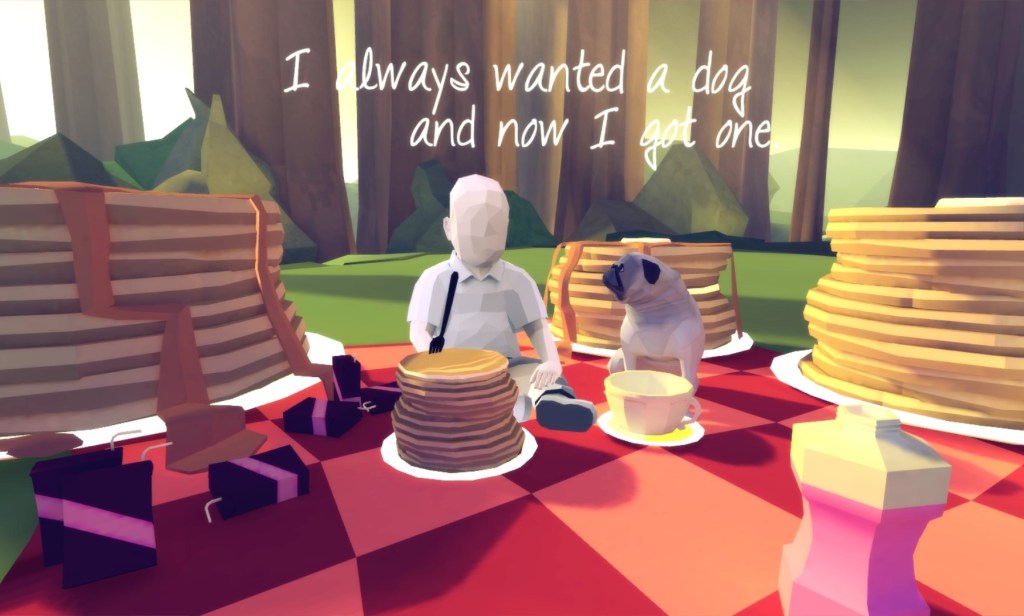
An immersive video game called That Dragon, Cancer does this by telling the story of a young child with the disease, in this case, a brain cancer called Atypical Teratoid Rhabdoid Tumor (AT/RT). The game explores the fear, hope, helplessness and fight that we go through when confronting so much uncertainty.

To be clear, this is not a video game in the usual sense, it’s a narrative with mini-game elements, sometimes lighthearted, sometimes dark. We follow the journey of a family as they navigate the rollercoaster of cancer diagnosis, doctor appointments and treatments. Those of us who have been on this path can relate to the tsunami of emotions and information, all rolled up into one overwhelming ball. The game does a good job of representing these feelings.

If you’re interested in experiencing this game with a blind playthrough, this is where you should stop reading. For more information on That Dragon, Cancer, visit the official website here.

WARNING/SPOILER: Because this is a true story, the developer Ryan Green (Numinous Games), along with his wife Amy, could not control the outcome; the game was created to honor the memory of their young son, Joel, by chronicling his battle with terminal childhood cancer.

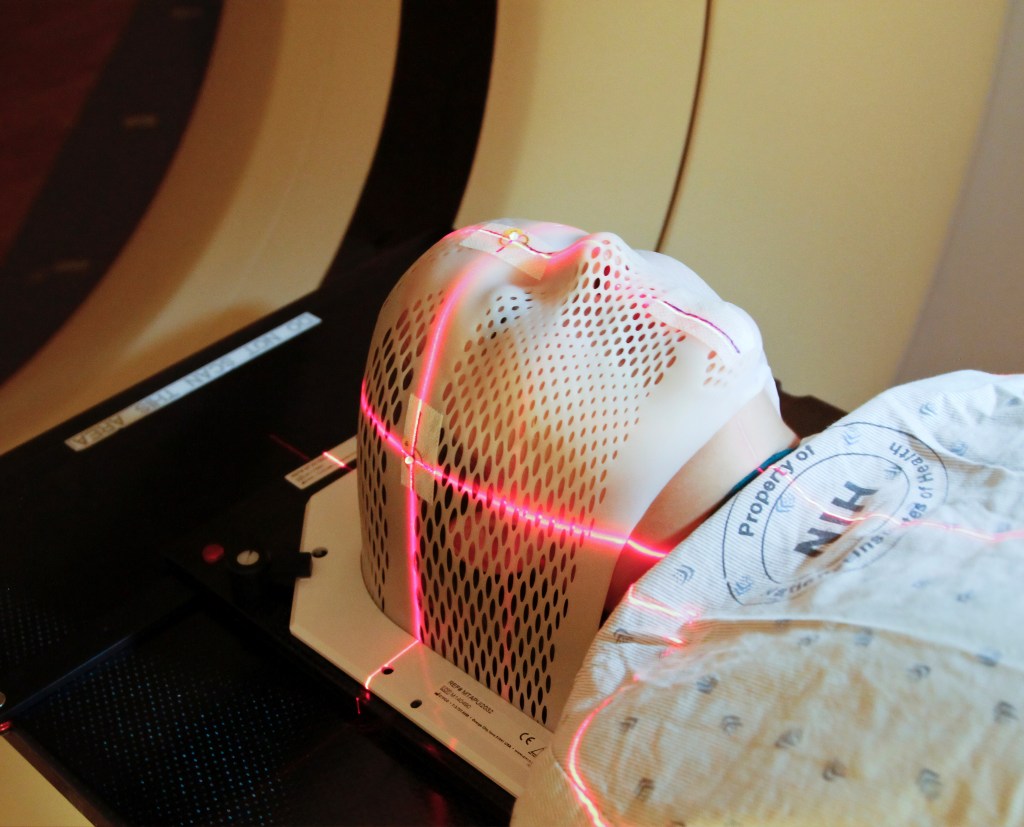
Little Joel underwent a staggering number of treatments for his brain tumors.

Be aware that there are very distressing parts to this game. Just as cancer patients fight for meaning and claw for hope, so does this family. If you are not in the right frame of mind for this, or are at a painful part of your cancer journey, it might be best to skip this game. When the game originally came out in 2016, it left well-known YouTubers in tears. Everyone can relate to loss; Ryan and Amy made this even more powerful by documenting their son’s journey in recordings made during his treatments. Therefore, when you hear the distressed cries of a young child in misery, those are Joel’s actual cries, and they are heartbreaking. But hearing his delighted giggles helps ease the pain.

It is all very raw and real.

Even in the distress, we experience joy in the life Joel lived.

Losing hope, or clinging to it in the face of insumountable odds, is documented here. The Green family hopes for a big miracle, with Ryan and Amy each heading towards the outcome in different ways: Amy is adamant that Joel will be healed while Ryan is riddled with doubt. There is a very strong Christian influence in this game that reflects the Green’s religious beliefs, with many references to God, Jesus and saving grace through prayer, so those whose beliefs differ may find this element foreign and possibly irritating, and they should decide whether it is appropriate for them. Nonetheless, the game is beautifully done with moments that will make you smile in between tearful episodes and there is value in experiencing it.

Those who expect a movie-style, “deus ex machina” happy ending may be left empty and unsatisfied, but I found the end to be uplifting, inviting in the acceptance of inevitability.

The game also honors the memories of other cancer patients in imaginative ways.

I’ve now played That Dragon, Cancer three times through. The emotions that it evokes are very familiar and I found this game cathartic and validating. As the Green family discovers, if someone succumbs to cancer, it does not mean that their faith was not strong enough. If there’s one thing I’ve learned about this disease, it is that cancer is not picky, it doesn’t care about your desires and it doesn’t play by the rules.

~~~~~~~~~~~~~~~~~~~~~~~~~~~~~~~~~~~

From the developer, Numinous Games: “An immersive narrative videogame that retells Joel Green’s 4-year fight against cancer through about two hours of poetic, imaginative gameplay that explores faith, hope and love.” $9.99 on Steam.

Sleep: Still the Ultimate Good

Some time back I posted sleep researcher Dr. Matt Kelly’s TED Talk on sleep, which I highly recommend. Now, the American Academy of Sleep Medicine (AASM) has issued a position paper which states unequivocally that “sleep is essential to health”.

As noted in the position paper, “Healthy sleep is important for cognitive functioning, mood, mental health, and cardiovascular, cerebrovascular, and metabolic health.” Anyone who has suffered through the daylight savings time change – that would be most of us – can tell you that even missing out on a single hour of sleep can leave you feeling off for a few days.

Sleeplessness is too often an occurence for too many of us.

And many of us have likely had the experience of sacrificing sleep for school or work projects, adjusting to newborns, or other similar temporary situations, not to mention the occasional middle-of-the-night stress session.

But sleep disruption on a chronic scale has far-reaching repercussions, and has been “associated with an increased risk of mortality and contributes to both the individual risk and societal burden associated with several medical epidemics, including cardiovascular disease, diabetes, obesity, and cancer.”

In particular, shift work has been associated with an increased risk of cancer, due to the persistent disruption of the body’s biological clock, as reported in a recent CDC blog post based on reviews by the National Toxicology Program and the International Agency for Research on Cancer. Data came from both breast and prostate cancer surveys. [The CDC post does outline what shift workers can do to protect themselves.]

I suspect that data from shift workers will reveal the influence of factors other than simply how long one sleeps, for instance, the significant effect of melatonin’s known anticancer properties (Hill et al., 2015, Endocr Relat Cancer; Yi et al., 2017, Oncotarget; Bondy & Campbell, 2018, Int J Mol Sci).

While the studies may be confusing, good sleep hygiene is always important.

According to the AASM position paper, the consensus among different sleep-related organizations is that adults require at least 7 hours of sleep regularly, with the range being 7-9 hours. While this seems straightforward, one meta-analysis (Lu et al., 2017, Biomed Res Int) of 10 studies suggested that sleeping excessive amounts (over 9 hours) was linked to an increased risk of estrogen-positive (but not estrogen-negative) breast cancer for women. At the same time, Xiao et al. (2016, Sleep Med) found that short sleep duration was associated with triple-negative (but not estrogen-positive) breast cancer in black women as compared to white women, suggesting racial disparities in the data, so further research is needed.

Confusing? Yes, this is clearly an area that calls for more study. Some clarification came recently from the publication of the “Million Woman Study”. This was an extensive prospective multi-year study of women in the UK that, you guessed it, found no association between breast cancer and sleep of any duration (Wong et al., 2021, Sleep). Nonetheless, the authors did note some shortcomings of the study, so this question is likely to be revisited.

Take home message? Conflicting studies aside, everyone would agree that good sleep hygiene (see CDC recommendations) is important no matter what your cancer risk. With our lives running 24/7 and sleep schedules constantly being disrupted, we should take a clue from the animals who settle down as the evening begins, like clockwork. We might have advanced as a civilization, but we can’t get past the reality that when it’s dark out, it’s time to hit the sack.

Is It Metastasis or Menopause?

Ever get the funny feeling that something’s wrong?

Like things are a bit “off” but you can’t be sure? I’ve been dealing with that ever since I got off letrozole, an endocrine therapy for breast cancer with a reputation for being difficult to take.

As of this posting, I’ve been off letrozole for 117 days exactly–yes, I’m counting. I’m still shaking off side effects like stupid-crazy joint stiffness, but at least I can tell things have improved.

That’s not what I’m talking about here.

I’ve taken a few rides in the MRI tube already. Not in any hurry to repeat that.

Right now I’m having some “really intense” memory and focus issues. I’ve put “really intense” in quotes, because I talk in superlatives so that my concerns are taken seriously. It’s a bad habit, especially when speaking to an oncologist, because it’s a sure way to end up in an MRI tube. Again.

In the past, my oncologist suggested that my memory problems might have been related to anxiety and not the medications I was on. That’s quite possible, although it’s hard to tease apart “anxiety” and “med side effects”. I mean, simply being told you have cancer causes an immediate spike of the Stress-O-Meter. For someone as anxiety-prone as me, it’s like I’m constantly red-lining.

Now I’m off the endocrine therapy and my memory and distractibility seem to have gotten even worse. What I had before wasn’t like THIS.

It’s kind of like saying, “This hurts. I think I’m being hit on the head with a hammer.” But then you actually get hit by a hammer, and think, “WHOA, now THIS is being hit on the head with a hammer!”

If thoughts are beads on a string, my beads are dropping off at a constant rate, leaving me wondering what I was about to do three seconds ago. And getting distracted by shiny objects. Couple that with having to learn a complex new financial system for work (grrrrr, Larry Ellison), not having helpful documentation to do so and having to go through that while being mainly confined to my bedroom for over a year…yeah, it’s a mess.

I am not being rational and I know it. But I’m still on high alert and dialing my fears down is going to take time.

Because my breast cancer was HER2+–which has been associated with metastases to the brain–my anxious little self immediately thinks, “Wait, maybe this is cancer’s spread stealing my thoughts???” I think that I will forever be jumping to that as the first possibility.

That’s not completely unreasonable, either. According to “Medical News Today”, memory problems are listed as one of the symptoms of brain metastases, along with headaches, stroke, seizures, confusion, dizziness…okay not really experiencing any of those.

And the Mayo Clinic metastasis website asks: what are the most likely causes of my symptoms? So, I admit, a brain tumor probably isn’t, given all the other more likely possibilities: menopause, work stress, loneliness, lack of purpose…and *cough* listening to Twitch video streams while I’m trying to focus.

So really, these memory issues could be a completely normal effect of menopause, but in the cancer context the possibilities are frightening. It takes a lot of perspective to be able to look at what’s going on and realize that it’s not aberrant or dangerous. I feel like an idiot for jumping to the worst conclusions, but here I am…

It’s a survivor thing.

Endocrine Therapy: Getting to the Heart of the Matter

Looks like visiting a cardiologist after stopping aromatase inhibitors for breast cancer was a good idea after all.

The letrozole (aromatase inhibitor) that I’d been taking has been associated with cardiovascular effects, and since I was feeling progressively worse from the medication, I wanted to make sure that everything checked out okay.

With the improvement in surivorship comes an increase in the diseases that come about from cancer treatments. The longer people live, the more long-term effects take their toll.

It seems like the American Heart Association (AHA) agrees with my concerns. An April 26, 2021 statement by the AHA underscored the complicated picture of cancer treatments, in this case hormonal therapies for breast and prostate cancer. As stated in the article by Okwuosa et al. (2021) published in Circulation: Genomic and Precision Medicine, “As patients with hormone-dependent cancers continue to live longer, CVD [cardiovascular disease] has emerged as a leading cause of mortality and morbidity among survivors of these cancers.”

Ironically, breast and prostate cancers are some of the most common cancers in women and men, in addition to having some of the most effective treatments. The number is of breast and prostate cancer survivors is growing. Part of the success of treatment is expressly due to the development of hormonal therapies for long-term (5-10 year) use. At the same time, the increase in CVD problems is a result of this success, because as cancer survivors age they experience greater amounts of age-related cardiovascular events than do non-cancer surivors.

So, what do you do when the treatment that’s increasing your chances of beating cancer may also be increasing your chances of a cardiovascular event? Isn’t that one of the many problems with cancer? If your treatment works well, then that opens the door to having it work “too enthusiastically”, possibly with long-lasting negative effects.

It still comes down to healthy behaviors.

The AHA statement paper cited here stresses the importance of communicating with your oncological team about CVD risk factors and possibly requesting a referral to a cardiologist, having appropriate tests conducted (ECG/EKG, echocardiogram), and–in my opinion the most important thing the survivors themselves can do–modify lifestyle (diet, exercise, smoking cessation, etc.) to maximize your chances of a cardiovascular event-free survivorship.

While it may be frustrating to think of entering into an “out of the frying pan, into the fire” scenario with a potential leapfrog from cancer to CVD, nothing is written in stone. You can make an effort to protect yourself and avoid being a statistic. Focusing on healthy living will benefit you in many ways and is guaranteed to improve your life, no matter what your risks.

~~~~~~~~~~~~~~~~~~~~~~~~~~

Link to the AHA statement:
Okwuosa et al. (2021) Impact of Hormonal Therapies for Treatment of Hormone-Dependent Cancers (Breast and Prostate) on the Cardiovascular System: Effects and Modifications: A Scientific Statement From the American Heart Association. Circ Genom Precis Med,
DOI: 10.1161/HCG.0000000000000082

Link to a reader-friendly version:
People Taking Hormonal Therapy for Breast Cancer Have Higher Risk of Heart Disease, Monitoring Recommended, https://www.breastcancer.org/research-news/higher-risk-of-heart-disease-for-diagnosed-people-taking-hormonal-therapy

Re-writing Your Life

When I look back at the past decades, I feel exhaustion sweep over me.

Negative events may seem like they’re never-ending.

Cancer was not the only negative thing to come up in my life. There have been quite a few horrible things that have taken place, and at times I get overwhelmed by the thought of them.

This is not where, at my age, I thought I would be, and that’s disappointing.

But I realized that part of this disappointment is the lens through which I view things. Granted, I’ve had my share of misfortune, but when my life seems to be sinking into bleakness, it’s time to do something about it.

This calls for a change in perspective.

So I have undertaken a project. I am writing out the story of my life, but with a slightly different bent: when I come across a negative event, I pause and consider whether I can find something in it to be grateful for. I write about how I overcame it, rather than how bad it was, or how unfair and so unlike what others have had to deal with. I place emphasis on the outcome to avoid getting mired in anguish.

A difficult person in my life? I’ve learned that I’m not responsible for their happinesss, only for my own. A disastrous financial situation? I’ve found that what I perceived as a terrifying outcome can be overcome, and there is a light on the other end and a path by which to maneuver through it. A frightening health crisis? I now know I have met head-on the most daunting disease I ever feared that I would have and somehow made it through treatment.

Re-framing your personal history, when you’re ready to do so, can open you up to a glorious new view of how powerful you are and what amazing things you have achieved in your life.

I am still here. Re-framing the bad stuff is work in progress and it’s not always easy to let go of my familiar, well-worn, negative narrative, but, yes, I am still here.

I’ve discovered that my life is a story of perseverence. There have been numerous hardships and it’s true they’ve left deep scars, but I am aware of how they may twist my attitude, which has removed some of their negative punch. While I may look around and wonder why things have gone a certain way, I also see what I’ve learned and how I’ve matured.

If you want to give this a try yourself, there are a few things to keep in mind:
This is something for you to undertake about your life, not to be forced into by another person, nor push someone else into.

This is not about looking through rose-colored glasses or feeling that your concerns are not taken seriously, nor is this a squelching of negative emotions instead of dealing with them. It’s a step to the side for a different view. This doesn’t mean that those events were not disastrous or those who perpetrated bad things don’t deserve punishment.

You have a right to be upset. You are heard.

Re-framing your life in this way means that you give evidence to the exquisite being that you are, and to the power that you have within yourself. If you feel as though you’ve been chewed up and spat out, be gentle and start slowly.

When you’re ready, invite healing by releasing the burden of negativity and, pen in hand, allow yourself to reveal your strengths.

Making It Through “Now”

My recent post, Just Show Up, about releasing the need to fight through breast cancer treatment, left out an important concept.

My cancer diagnosis was what I deemed the “worst-case scenario” from the viewpoint of everything that came before. The overwhelm was a tidal wave that caught me and spun me around. Disoriented, I struggled to breathe and find my footing, but it was too much and I was poorly equipped to deal with the news.

Taking on everything at once doesn’t help you keep it together, it tears you apart.

I went through the motions, stumbling through the appointments that now multiplied in number. There was so much information to wade through, decisions to make, upcoming treatments to fear.

Then a co-worker whose wife had been diagnosed with cancer some years before sat down with me and gently offered a valuable piece of advice.

I didn’t have to handle everything at once. Some the decisions could be made later. Each day would bring answers and more clarity. There was no need to load up on all the information. It didn’t help anyone get through these days, all it did was weigh them down.

The path through this entailed focusing on what needed to be done now, and then working on doing that and only that. Just taking that one easy step forward.

All that stuff in the past and the things to come, you can release them. Don’t carry that extra burden with you. Just focus on what’s happening now. And now.

Could you get through the last moment? Good.

Now just get through the next.

The Saga Continues…

I mentioned a few posts back that in addition to stopping letrozole (an aromatase inhibitor) which had originally been prescribed to me as long-term endocrine therapy for breast cancer, I saw a cardiologist. I was experiencing what felt like irregular heartbeats. Since arrhythmias have been associated with aromatase inhibitor use, I wanted to make sure that I wasn’t going from one problem to another.

The cardiologist I met with ran an EKG, listened to my heart and told me he really didn’t think I had any issues. However, he ordered an echocardiogram and a Holter monitor just to be on the safe side. I did both tests.

A week ago, I met with him to go over my results. He was pleasant as always, asked me how I was feeling–I was feeling great, actually, since I was pretty positive that I’d imagined any heart issues because I’d experienced little since I turned in the Holter monitor for analysis. So, if anything, I was a tad embarrassed for blowing things out of proportion. Geez, I’m such a hypochondriac!

That’s good, he said, equally pleasantly. “Because we found something.” Equally pleasantly.

Hang in there, baby!

I had not expected that. What I was expecting was, “everything looks normal.”

However, looks like there were some arrhythmias: supraventricular tachycardia and supraventricular ectopics.

My doc wasn’t concerned. He said that based on other data (72% left ventricular ejection fraction [LVEF]) my heart was healthy and strong.

Ooookay. But I was a little shaky that my concern about extra beats had been confirmed. Because I hate fearing that something’s wrong and finding out that I was right in fearing it! I’d prefer that it be all in my head.

Then we delved further into the echocardiogram. I shifted uncomfortably in my seat.

On the plus side, lots of things were normal. That’s good.

However, way back in early 2018, while I was receiving infusions of Herceptin, my then-cardiogram showed pericardial effusion (fluid where it shouldn’t be), but in a subsequent echo it had “fixed” itself. Well, that was back now. Also trace mitral and tricuspid regurgitation: my valves are a touch leaky. My cardiologist wasn’t too concerned about it. “Wear and tear,” he said.

But he also noted that I had a marginally “dilated proximal ascending aorta.” Right after which he noted that I was tall, suggesting that there could be error in the extremes. But neither one of us was 100% sure whether that was a change from the previous echo, based on how the report was written. And he questioned some of the values, saying that echocardiograms weren’t perfect or always accurate.

Get off one ride and right back on another.

At the same time, he wanted me to come back in a year for another echo. Just so that we can be sure that the dilation hadn’t progressed. “Then we worry,” he said.

I left the office with questions swirling inside my noggin and decided to do some computer research, which I immediately regretted.

First of all, “dilated proximal ascending aorta”, when googled, brings up a gazillion results about aneurysms.

ANEURYSMS.

I know I don’t have an aortic aneurysm. But I have to wait a year to see if the dilation progresses. That’s 365 nights of staring at the ceiling. And I have to make sure to remain calm and not harrass myself into elevated blood pressure, because that can put more stress on the blood vessel and dilate it even more.

Oh, and the supraventricular tachycardia and ectopics? Those are improved by exercise (um, yep, been doing that) AND by staying calm.

Try yoga and meditation, the websites suggest.

Okay, yep, been doing that too.

So where am I with all of this now? Obviously, I need to keep doing what I’ve been doing. But this really does underscore a couple of things:

1) Meditation and mindfulness are critical to our well-being. These are habits to establish now (yesterday!) and not stop. Ever.
2) Cancer casts a long shadow. You might be fortunate enough to earn the title of “cancer survivor”, but that doesn’t mean that it’s all giggles and rainbows afterwards. Cancer treatments are tough and while we’re furiously obsessed with doing whatever we can to minimize the chances of cancer returning (because that’s Job One), someone at some point needs to start thinking about what happens once the cancer is gone and we have to clean up after the long-term effects of the treatments.

Could my heart “issues” (I don’t know if they are serious issues yet) have been caused by Herceptin infusions, radiation to the chest and aromatase inhibitors? Yes, they could have. But could the fact that I am highly reactive and have a strong response to stressors played a role in this? Yes, of course.

Time is moving forward and I’m going to have to keep up.

And does it really matter? No, in all honesty it makes no difference. Whatever happened has passed. My only path through this is a calm heart and solid grounding on the Earth. I’ll know more about my physiological state in a year, which gives me another twelve months of daily meditation and exercise, and an even better appreciation of how my mind generates agony.

Maybe this is what I need to help me get better.

Just Show Up

The thing about cancer is that the news hits you hard at once.

And it’s not like you get time to get used to it, because the diagnosis is LOADED. All those scary things that you’ve ever associated with the “big C” rush at you and there’s no real way to protect yourself.

It would be terrifying for anyone, but those of us currently in mid-life grew up at a time when cancer treatment was not as refined or targeted as it is now: visions abound of hospital beds, bald heads, bodies wasting away, vomiting, hopelessness. Most cancers were frequently fatal and diagnosis was the beginning of the end.

Everyone’s pushing you to fight, fight, fight. It sounds like the right thing to say, but it can feel exhausting.

As we’re trying to process what this all means for us, for our future and for our families, others try to prop us up with cheers of, “Be a badass!” “Stay strong!” “You’ll beat this!” “You’re a fighter!”

So between juggling the cancer news and the “hang tough” messages from those around us, everything gets overwhelming. Our oncologist lays out a treatment plan and suddenly we need to learn a different language. Tumor types, chemo drugs, clinical terms, side effects.

I distinctly remember wanting to hide under my bed and wait for it to go away. There was so much I needed to do and I didn’t know how to get through it all. It seemed like an immense amount of work for one person.

And then it hit me. All I needed to do was show up.

I put the gloves away and realized I didn’t need to fight anything. I needed self-compassion.

I didn’t need to be the warrior that everyone was pushing me to be. The mere fact that I was going to my appointments on my scheduled day was enough. I wasn’t going to win a prize for being the best “infusee” or for absorbing the most radiation the fastest.

I didn’t have to fight. All I needed to do was endure and allow. To accept what was going on and move through it. And to breathe.

~~~~~~~~~~~~~~~~~~~~~~~~~~~~~~

I brought my office work with me to my first infusion. I was going to be there for at least 5 hours so I figured I should use the time “wisely”. I fired up my laptop but soon the Benadryl that I was given to prevent adverse reactions kicked in and brought on drowsiness.

Suffice it to say I might have answered an email here or there, but did little else. The same thing happened during the next infusion, and the one after that. Eventually I realized that the wisest way I could spend my time was by giving myself permission to rest and ride out the treatments.

When infusion day rolled around, I learned to put aside my work duties and family responsibilities, and simply be. It was such an uncomplicated concept, the benefits of which rippled out beyond my treatment. Why did it take cancer to teach me that?

When Is a “Chemo Port” Not a Chemo Port?

When is a “chemo port” not a chemo port? When it’s a heart rate monitor. Except that my emotional brain can’t tell the difference.

For anyone unfamiliar with cancer chemotherapy, a chemo port, or subcutaneous implantable catheter, is a device implanted under the skin (usually on the chest) that is accessed during an infusion to enable easy mixing of the chemo drugs with blood within a major blood vessel. This avoids a good deal of injury to any smaller blood vessels, were you to get chemo drugs via an IV to your arm. (For more info, see this post.)

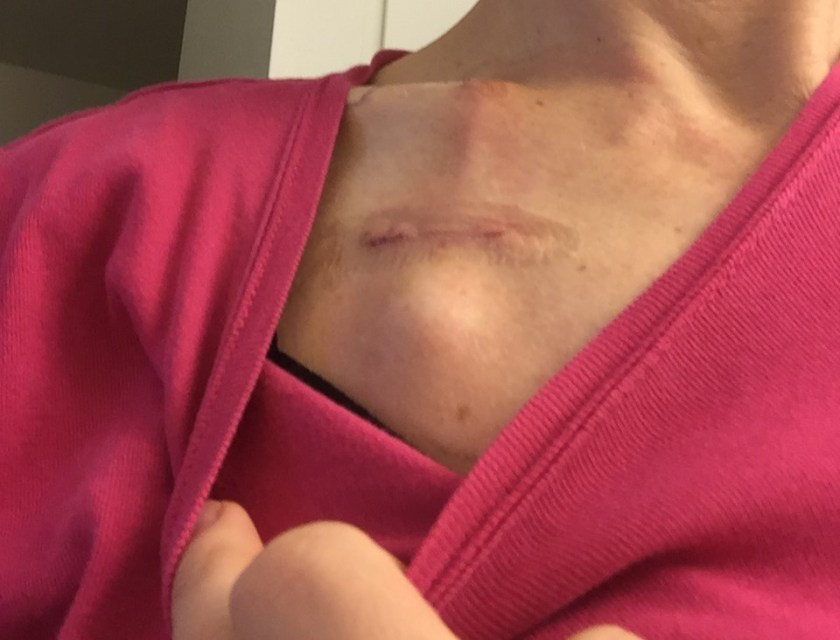
This is what I had under my skin for a year while I was undergoing chemotherapy infusions. It took some getting used to but I never reached the point where I could ignore it.

As much of a blessing as the chemo port is, having a foreign object pushing up from the chest wall under your skin can give “Alien” (as in the movie) vibes. For me personally, the implanted chemo port was more psychologically taxing than I anticipated, and as soon as all my infusions were done, which took a year, I had it taken out ASAP.

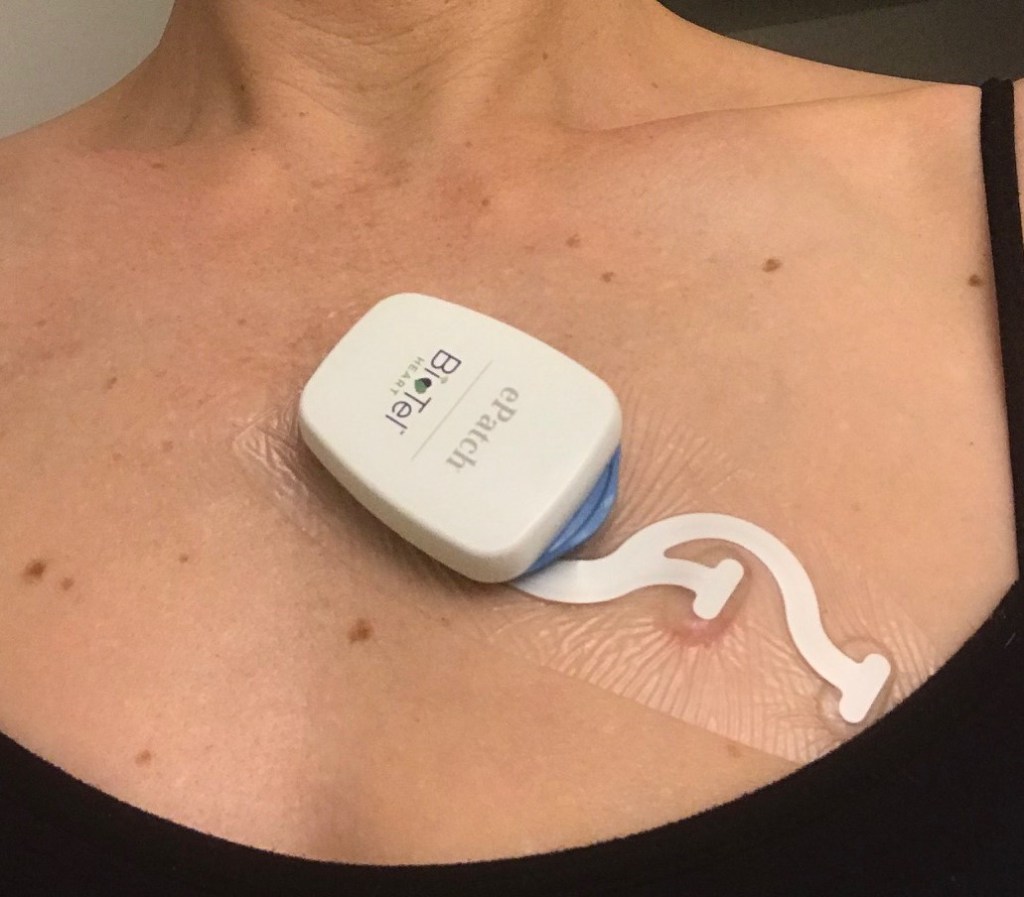
So almost three years after its removal, the chemo port is spooking me again, this time in the form of an extended Holter monitor for continuous heart rate recording, which I’ll have on for almost two weeks. It’s taped to the skin in a fancy patch that you can exercise and shower in, and supposedly you forget that you’re wearing it and go on your daily routine as normal.

But for me, it’s bringing up the spectre of chemo port, and memories of discomfort and pain I felt having that bulge stretching my skin of my chest. I chant my mantra of “it’s ON, not IN” in an effort to distinguish between the port and monitor, but the longer than it stays on, the more anxiety I feel about it.

My Holter monitor (ePatch) sits on the side opposite from where my port did, but it takes up the same amount of space in my head.

All those emotions about the lack of control over my own body, feeling so abnormal and outwardly looking “sick” (not to mention fear of death) are rushing back. The Holter monitor peeks up from the neckline of my shirt, hooks my car’s seatbelt and often seems to be in the way. I find myself moving away from other people in fear of having them knock it or hug me too tightly and cause pain, even though the monitor doesn’t deserve the same apprehension that the port did.

I’m removing the Holter patch today and sending it back for analysis, so that’ll be a big relief. But the power of this reaction is another reminder of the depth of fear that the cancer experience placed within me.

~~~~~~~~~~~~~~~~~~~~~~~~~

So why am I wearing the heart rate monitor anyway? I was having little cardiac “episodes”, particularly over the last year, and this was one of the (many) reasons for discontinuing aromatase inhibitors. Mainly these were sensations of skipped or extra beats or an odd “fluttering”. I’ve already had an EKG and echocardiogram, neither of which apparently showed anything abnormal (I haven’t received a final report of my echocardiogram but had been told that the cardiologist would contact me if he found anything problematic, and it’s been a week and a half, so I’m guessing everything’s okay?).

Okay, it’s off. But it’s left its mark on me. I’m hopeful I can get rid of this impression faster than the port’s. Chant with me: “ON, not IN…”

The Holter monitor was the last step in looking for arrhythmias or similar issues. And wouldn’t you know it? The further I’ve gotten from stopping aromatase inhibitors, the fewer episodes I’ve experienced and haven’t felt anything distinct since I got the monitor. What I’m feeling is very occasional, subtle “sensations”…but these may turn out to be nothing. I’m okay with that. As a matter of fact, I’m not even worried about what the data might show.

I just want this thing off me.