Elle Macpherson’s Cancer Story and the Missing Tumor Info

(Title image: Photo by Pierre Bamin on Unsplash)

Following on the heels of my Elle Macpherson post last week, I wanted to fill in some missing info…

To back up, former supermodel Elle Macpherson revealed that she took the holistic route when deciding to treat her breast cancer in 2017. However, most of the news stories that reported and offered opinions on her choices left out some critical information, as noted by this article in The Guardian (“Crucial information missing in Elle Macpherson breast cancer story, experts warn“). In this case, that information makes a big difference.

While it seems that Elle’s cancer was HER2-receptor positive, which suggests a more aggressive cancer, it was considered “non-invasive”, meaning it was contained within the mammary ducts. Often, this is referred to DCIS, or Ductal Carcinoma In Situ, and at this point those of us with personal knowledge of the disease will knowingly go, “OOooooooh.”

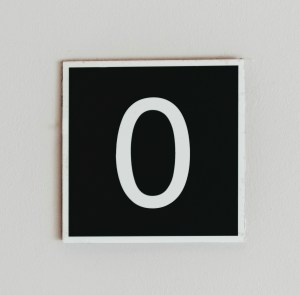
This is basically a “precancerous” mass of cells and often the treatments are more conservative. It’s considered stage 0. Yes, it becomes more dangerous if you do nothing, but clearly Elle did something: she had it removed.

DCIS is a stage 0 cancer, which doesn’t necessitate the most aggressive treatment.
(Photo by Bernard Hermant on Unsplash)

Beyond that, there are other conventional treatments offered, depending on how aggressively you want to go. This introduces the issue of potential overtreatment, which is gaining more attention among physicians and the public. It’s easy to throw the kitchen sink at anything that looks like cancer, but that increases the chances that patients unnecessarily experience damaging side effects. Not everyone needs to be smacked that hard with treatment.

So, given that Elle’s cancer was DCIS, her holistic treatment starts looking less extreme. In perspective, for stage 0, a radical mastectomy topped off with chemotherapy and other treatments leans towards overkill with minimal benefits, potentially affecting quality of life. So this is less about the types of Elle’s holistic treatments and much more about her cancer not requiring the same level of aggressive action as stage 1+ tumors.

However, very few of the news stories mentioned this. As a matter of fact, my own blog post last week might have confused the issue—I was writing without having all the facts. This underscores the importance of learning as much about your cancer as you can and understanding that your version of the disease may be very different from that of a friend with cancer.

In light of this, the pile-on regarding Elle’s treatment seems unfair…but only as it regards her personal situation. Because all the opinion pieces that came out against her choices, including my post, did so for a critical reason: that Elle’s story (“follow your heart”) may turn a cancer patient away from much-needed and beneficial treatment that can prolong their lives.

Get the facts, talk to your team, understand what you’re up against and what your risks are—yes, meditate, pray, exercise, change your diet. But don’t try to wish your cancer away.

~~~~~~~~~~~~~~~~~~~~

To clarify, Elle did indeed decline even less radical treatments such as endocrine therapy, so one could argue that she’s still taking a risk. We don’t have a crystal ball to determine whether this was the wisest choice, Elle believed it was the right choice for her.

The Dangers of Elle Macpherson’s Cancer Treatment Choices

(Title image: Photo by Naser Tamimi on Unsplash)

Supermodel Elle Macpherson recently made the news with an interview with the Australian Women’s Weekly magazine when she revealed her breast cancer diagnosis.

She was diagnosed in 2017 (as I was!), so the fact that she’s here and talking about it suggests that her treatment worked.

But what was her treatment? According to the article, following diagnosis Elle consulted with 32 doctors (and experts, although it’s unclear in what) and ultimately decided to follow a holistic treatment path. In her own words, “an intuitive, heart-led, holistic approach”.

She decided to forego a mastectomy in favor of a lumpectomy (as I also did) but also dispensed with the conventional chemotherapy, radiation and hormone therapy (I went the conventional route).

So let me clarify some things here: Elle had the lump removed. If the cancer had not spread (which presumably it hadn’t) AND no rogue cancer cells had gotten out AND the surgeon confirmed “clear margins” upon excision of the tumor, it’s certainly possible that all evidence of the cancer was removed from Elle’s body with that surgery.

As we survivors know, everyone’s cancer is different. That’s why we discourage comparing tumors or offering advice. What works for one person may not for another because so much depends on the state of the individual…and probably on a lot of other factors that we are not even aware of, even with present day advances in cancer treatment.

Elle has even stated that her treatment is not for everyone. Who knows, she might have said this for legal reasons…because you can see what’s going to happen. While Elle, as a former supermodel, businesswoman, etc., might have access to whatever specialists and level of care she desires, most of us will not.

Do you feel lucky? Rejecting conventional cancer treatments in favor of clinically unproven ones can be a big gamble.
(Photo by Chris Liverani on Unsplash)

Elle asserted: “I want to help and encourage others to follow their heart and give things a go.” Sadly, when it comes to something as slippery as cancer, following our hearts is not always the best choice of action, no matter how much we want it to be.

My concern is that a newly-diagnosed breast cancer patient, fearful of the admittedly-harsh treatments that modern medicine offers, might decide to take Elle’s path (“she did it so I can too!”). But unless this person is independently wealthy or otherwise connected, they will have to cobble together a questionable plan with minimal support, and possibly fall prey to unscrupulous players looking to make a buck out of someone’s desperation.

And in these days of growing suspicion of science and the advice of doctors—brought on by pandemic-related missteps or perceived draconian measures—the chance of patients rejecting well-worn treatments is even more likely. Statistically, this would result in more lives lost to the disease.

When I made my own treatment choices, I didn’t go with the harshest stuff that my oncologist offered, opting for very effective (and, yes, cardiotoxic) Herceptin immunotherapy instead of lobbying my insurance to cover the even-more-effective (but even more toxic) Perjeta for my HER2+ cancer. I also had to cut my hormone therapy short by a number of years due to how it affected my ability to exercise, which has also been shown to have a strong effect on preventing cancer recurrence. These were measured choices, as it’s clear that Elle’s were.

At the same time, in the back of my mind I know I can’t say I did everything I could to blast my cancer into submission. But I do feel that taking everything into consideration, I did enough. My oncologist agrees.

As far as Elle’s treatment is concerned…I also did a number of things that she did, including meditation, exercise, therapy (our cancer center was very supportive of complementary therapies) and more. I cannot say how much conventional treatments vs. complementary ones contributed to my remission, but I assume each played a role. And the combination gave me peace of mind, which I would not have had, had I chosen only alternative therapies.

Ultimately, I hope we get to the point where we can eliminate the most toxic treatments and heal ourselves more gently. Ideally, we’d even prevent cancer. Huge strides have been made in cancer treatment, but we are not there yet. Every time we decline a proven treatment, we roll the dice. I’m hoping that Elle’s story does not unnecessarily put people with fewer resources at risk.

I Saw My Oncologist…and Left Ridiculously Happy

(Title image: Photo by Nick Fewings on Unsplash)

Yep, this is another installment of “I had another oncologist appointment today”. This time I’m marking seven years since completing my chemo treatment, which I can assure you at the time was a very happy event…

…marred only by that little nail infection a few weeks later. But don’t go there unless you have a strong stomach.

Regardless, I had a great meeting with my oncologist. The concern now is about whether I’m experiencing anything cancer-related, either long-term side effects or—perish the thought—a recurrence. Today the answer was neither.

We talked about the recent death of my father…and that’s pretty much the way the appointment went–catching up on the last six months. Naturally, I forgot to tell him about a bunch of the other concerns I had, little weird things in my body. But really, they’re not unusual given what I’ve gone through.

If there’s one thing I’ve learned, it’s that I need to slow down when interpreting body sensations as health problems. Usually they’re not. (Even though once they were cancer.)
(Photo by LOGAN WEAVER | @LGNWVR on Unsplash)

We did, however, discuss how it takes a little while to get used to all those sensations in your body. After cancer, I was on high alert. My medical team was asking detailed questions about what I was feeling, and as a result, I was laser-focused on every twitch and twinge…and maybe some that I just imagined. At one point, I was sent for a brain MRI because of what I feared were serious cognitive issues. But in reality it was anxiety, not a tumor.

Seven years out, however, you kinda get expect all those funny sensations and don’t interpret them as being dangerous anymore. Even the heart palpitations that I would get from time to time…yeah, I still get those, maybe once a week, maybe a couple of times a month. But they only last a handful of seconds and I no longer think that my heart is failing (especially not when I can turn around and do a HIIT workout). I haven’t been back to the cardiologist and my oncologist agrees that it’s not necessary.

He asked if I wanted to come back in six months. Sure, I like being back in the Cancer Center as *NOT* a cancer patient. It’s nice being there and remembering doing jigsaw puzzles in the radiation oncology waiting room, or even feeling well-taken-care of after my treatments were done. There ARE positive memories in a place that you’d think would only be negative.

That can change very quickly, of course. But for the time being, I’m feeling happy.

Year 7 Mammogram in the Books

It’s enough to make me get a little cocky.

A few days ago I had my 7th yearly mammogram since my cancer diagnosis. Let me stress first, I am very aware of how fortunate I am. My appointment was early in the morning, my husband came with me (like he’s been doing, since he didn’t come during my diagnostic mammogram seven years ago) and I got a clean bill of health from the radiologist quite quickly.

I didn’t even feel those few minutes of hovering as I waited for the results. The technician had allowed my hubby into the mammogram room to wait with me, and he and I casually chatted so I didn’t notice the time pass.

Wow, things have changed.

‘Scuse me while I sit back and reflect on how fortunate I am for getting this far.
(Photo by Fuu J on Unsplash)

Every year, this feels different, cancer feels further away and I feel less “impending sense of doom” that I had in the first several years.

That’s why something like Kate Middleton’s announcement that she had started chemotherapy for cancer shocked me back to reality.

No matter how good I currently feel about my own situation, there are many reminders that cancer is still a terrible disease that doesn’t care who you are or what you have going on. And it’s still grabbing people and throwing them into treatment.

So much for my cocky attitude.

At times like these, I take a moment to reflect on gratitude for how far I’ve come and, as suggested by my oncologist, how much more life I have in front of me. I don’t think I would have ever felt this appreciation as deeply if I hadn’t gone through the soul-tearing experience that cancer is. Which is not to say that I’m glad I went through it, because I’m not.

Still reminders like Kate’s announcement help counter the selfish little feelings that I sometimes get when I see the free things available to cancer patients now and pout that those weren’t there for me. Yes, those are “human” feelings, but you know what, I can do without them.

Instead, it’s so much more fulfilling to bask in the golden hour sun, taking deep nourishing breaths, and shoo away the everyday concerns that disturb my sleep. At least I have the luxury of being able to busy myself with them, the bothersome little things, and know that I’m still around to have them be a bother.

Unexpected News at my 7-Year Oncology Appointment

(Title image: Photo by Gary Fultz on Unsplash)

A few days ago I had my seven-year post-diagnosis appointment with my oncologist. Seven whole years. And it was a weird conversation.

He said something that set me aback. He told me that he didn’t think I should worry about the cancer coming back. Essentially, I was cured (note: MY words, not his, but that’s the idea). [See bottom of post for disclaimer!]

He’s alluded to this before during previous appointments. But this time around felt different.

I’ve officially hit SEVEN!
(Photo by Himiway Bikes on Unsplash)

I returned home a bit confused. See, for the last seven years, I’ve been a full-on cancer survivor. Still holding on to the fear that at any moment, I would get those terrifying scan results back and–WHAM–I’m a cancer patient once more, back on that sickening rollercoaster ride through treatment.

As difficult as it was to accept that–even trying my best to live a healthy life–I had somehow been smacked down by cancer…now, I had a new problem. Reentering life as maybe not-so-much a cancer survivor anymore, but rather just a healthy, active postmenopausal woman with years ahead of her.

And that is a weird feeling.

For the first five years after my diagnosis, I was frustrated, even angry. Cancer was a devastating detour at a time when I was already struggling to find my way back into a career. Well, forget that. Derailed. I was bitter.

Eventually, I realized that while life sucked, it sucked for a lot of people and I wasn’t special in that regard. That was an important turning point in how I perceived my own role in my cancer story–it was humbling but also gratifying.

Humbling because my experience could have been so much worse. There were people whose treatment did not end well. I was incredibly fortunate, even when it felt like I’d been thrown in a sack and beaten with sticks. At least, I made it out.

Gratifying because early on I held myself responsible for getting cancer, even though I had literally done everything protective (lots of exercise, high fitness, plant-based diet, breastfeeding, not smoking, not drinking) that I could think of. I was desperate with frustration and helplessness about this. Letting go of that guilt was healing.

Feels like I’ve got the green light to hurry up and get on with the rest of my life now.
(Photo by Possessed Photography on Unsplash)

So the last two years have been more about understanding my perspective and then stepping out of it to view things more objectively. Mindfulness and meditation helped with that, which is why I often write about them here. But I hadn’t been ready to get out of the breakdown lane and drive myself back into mainstream life, in part fearful of the pain of having the expectation of cancer-free “normality” smashed to smithereens by a potential diagnosis.

Gradually, that’s changed. But this last appointment felt like getting shoved out the door by someone yelling, “YOU’RE OKAY, DAMMIT!” Here I am, standing and blinking in the sunlight, trying to make sense of exactly what that means for me now. Wow, after seven years, I can actually stop being afraid.

I don’t know if I even remember what that feels like.

Yes, I’m still going to refer to myself as a survivor, because it’s a part of my natural history. I’m never going to forget that experience and I continue to be driven by a need to support others going through this disease.

And if it does return? Well, at least I will have had a brief glimpse of life completely outside the notion of cancer.

~~~~~~~~~~~~~~~~~~~~~~~~~~

Of course, because we’re talking about cancer, the statements above call for level-headness in the midst of levity. While my oncologist feels that the chances of the same cancer coming back are low, the possibility for a brand spankin’ new tumor, breast or otherwise, never goes away. It happened once, it can happen again. But that’s life. I’ll take it.

Effects of Diet and Exercise on Chemotherapy Tolerance and Efficacy: Research

(Title image: Photo by Hermes Rivera on Unsplash)

Many cancer patients complain of feelings of helplessness after their diagnosis, and I can certainly relate to that. As a result, I’m particularly interested in research that explores whether patients can gain control over the success of their treatments.

The most recent study I’ve come across includes breast cancer patients undergoing treatment at Yale and Dana Farber Cancer Centers.

This study appeared in the Journal of Clinical Oncology (Sanft et al., 2023). Researchers examined the effect of diet and exercise on “relative dose intensity” (RDI), which is the relationship between the amount of chemotherapy delivered to the patient compared to the standard amount prescribed. Low RDI means that there was a reduction in the chemotherapy the patient received and is generally associated with a poorer outcome. Dose reductions result from the patient’s difficulty in tolerating the drug.

The researchers also looked for “pathologic complete response” (pCR), which is “the lack of all signs of cancer in tissue samples removed during surgery or biopsy after treatment with radiation or chemotherapy” (definition from cancer.gov). This was for women receiving neoadjuvant chemotherapy, which is chemotherapy administered prior to surgery.

Yep, once again we come back to diet and exercise, even during chemo.
(Photo by Yulissa Tagle on Unsplash)

The subjects of this study were women recently diagnosed with stage I-III breast cancer, who either received the “usual care” or a diet and exercise intervention. Those in the intervention group received nutritional counseling with a focus on a plant-based diet. The physical activity included counseling and support for maintaining a home-based exercise program that included strength training (2x/week) and brisk walking (150 min/week of moderate intensity or 75 min/week of vigorous intensity).

What the research confirmed first was that the subjects in the intervention group were able to increase their exercise and diet quality, which showed that it was feasible to make lifestyle improvements even in the midst of chemotherapy.

However, in this study, the RDI for both groups (“usual care” and diet & exercise intervention) ended up being similar, but also quite high, which meant that women in both groups completed most of their treatment. The researchers noted that the study should be re-run with patients who were at greater risk of not being able to complete all their chemo to see how much of an effect improved diet and exercise would have, especially since exercise has been shown in other studies to have a positive effect on patient outcomes.

But a striking difference was seen for women receiving neoadjuvant (prior to surgery) chemotherapy in that the rates of pCR (disappearance of cancer in the tissues) were 53% for women in the intervention group versus 28% for women receiving usual care. That suggests that the intervention enabled the chemotherapy to be more effective.

There are many physical activities you can choose from–clifftop not required.
(Photo by Sigmund on Unsplash)

The researchers stated the following in summarizing their study: “Given that pCR is an accepted predictor of recurrence and mortality, our findings could provide oncologists with a supportive care intervention that affects the ability to potentially improve survival outcomes” (Sanft et al., 2023, J Clin Oncol). And this is very good news indeed.

The take-home message here is not surprising, and it’s good advice for life in general: no matter what your current lifestyle, prioritizing a healthier diet (emphasis on whole foods, plant-based, less processing, etc.) and engaging in regular cardiovascular and strength training exercise will improve your quality of life. It is always worth the effort.

~~~~~~~~~~~~~~~~~~~~~~~~~~

REFERENCE:
Sanft et al. (2023) Randomized Trial of Exercise and Nutrition on Chemotherapy Completion and Pathologic Complete Response in Women With Breast Cancer: The Lifestyle, Exercise, and Nutrition Early After Diagnosis Study. J Clin Oncol, 41: 5285–5295. https://doi.org/10.1200%2FJCO.23.00871. [This paper is Open Access and can also be found in PubMed Central: https://www.ncbi.nlm.nih.gov/pmc/articles/PMC10691793/]

February: A Great Month for a Diagnosis Reenactment

(Title image: Photo by Aaron Burden on Unsplash)

It’s February and that means it’s the start of “diagnosis season” for me. At this point in cancer survivorship, I don’t get as affected by everything that happened “on this date X years ago“. However, I have an oncologist appointment and my yearly 3D mammogram around this time, so I can’t forget what this month means.

You would think that since 2024 marks seven (!) years since my initial diagnosis, I’d feel pretty good about having made it this far past my treatment…and you would be right.

Seven years down and still going strong!
(Photo by Frankie Lopez on Unsplash)

I’m now living the feeling that I so desperately wished for seven years ago when everything felt devastating and out of control. My outcome, even with the many pesky moguls that I’ve had to clear, is something I’m so thankful for.

But of course, even as mellow and relatively unconcerned as I am now, there are little reminders of the rough and tumble past that unsettle me.

Like that point in my mammogram when the tech finishes up and leaves the room to consult with the radiologist, and all of a sudden I don’t feel great anymore. It’s maybe 5-10 minutes or so of sitting in a quiet room all by myself, wrapped up in that bathrobe-y gown made out of fabric that seems like it should be less scratchy, trying to focus really hard on the tropical ocean video that they have playing on the tv screen on the wall.

No matter how warm the room is, there is a cold spot in the pit of my stomach. The hospital does its best making the surroundings seem inviting. Really they try. But it’s kind of hard to mellow out the echo of an impending sense of doom.

Same goes for every time my oncologist says something like, “Hmmm, should we do another chest MRI?” No, no we should not. That’s about 45 minutes of being stretched out like superman on a surface that’s clearly meant for a woman much shorter than me, while getting my ears blasted.

In case you’ve never taken a ride in the tube, this is what it’s like. Don’t forget your earplugs. Bonus for chest MRIs: you’re lying on your belly with your arms stretched past your head for almost an hour, giving you plenty of time to reconsider your life choices.

My husband says the MRI sounds like a broken dot matrix printer. I think if your printer is making sounds like that, it’s time to evacuate the building.

Ah the memories. But again, I am talking about this from the vantage point of seven years away. It is nicer being up here above the fray. It also gives me a great view of the potential rollercoaster disaster that this season could become, if my scans go south.

But seven years into this, I’m betting it probably won’t. So far, so good.

“Left Behind”: An Unanticipated Side Effect of Cancer

(Title image: Photo by Denys Argyriou on Unsplash)

Apologies because this might sound like a rant but this topic has been on my mind a lot lately.

When you’re diagnosed with cancer, you learn about the many side effects of treatments.

You will be informed about the physical and even psychological effects that cancer patients deal with, but there are also considerable financial repercussions. Patients may struggle with hospital bills: some lose their insurance coverage, others might never have had any to begin with, those who have coverage may find that it’s insufficient. It’s not uncommon to hear how cancer has driven survivors and their families into bankruptcy.

On top of that, cancer can do a number on your career aspirations for years to come.

Money issues are one of the side effects of cancer that don’t get a lot of airtime…but really should.
(Photo by Alexander Grey on Unsplash)

In case you think that it’s uncool to complain about one’s career in the face of having survived cancer, let me get this out of the way: being a cancer survivor is a privilege. I’ve written before about how acutely aware I am that I have lasted longer than many cancer patients.

But as the effectiveness of cancer treatments improves, the number of cancer survivors increases and long-term repercussions become a more and more serious consideration, particularly how they affect ongoing quality of life.

For people who are still working out their careers, cancer can derail progress because it plants a huge stop sign in their path.

Think of going into the chemo infusion room: the days leading up to it entail appointments, port placement, purchasing supplies (anti-emetics, anyone?) and in general prepping for being out of commission about a week.

It’s not the time to focus on stressful work deadlines (and most sincere condolences to any patient who has to do that!).

Ironically, as much as I feared infusions, they actually gave me an excuse to focus on myself instead of worrying about everyone else. I posted about that here somewhat sadly that chemo allowed me to rest without feeling guilty.

It was at that point that I’d realized I’d been pushing myself, always expecting more and not feeling like I was measuring up. Chemo gave me a break from that. Which was good…kind of…

But after chemo and radiation came endocrine therapy, so just as I was winding down from one set of side effects, up popped another.

Right? RIGHT?
(Photo by Drew Beamer on Unsplash)

And all those plans I’d had for myself were put off again and again. Career goals seemed more out of reach because my timeline had shifted.

Well, I’m not stupid, so I changed my career goals. Makes sense, right? Cancer provided a different perspective on things and motivated me in another direction.

But in the wake of cancer treatment, I feel like I’m walking in cement shoes…if it’s not one thing it’s another. I got off aromatase inhibitors (early) and then realized that I was having memory and focus issues. Whether Cancer Related Cognitive Impairment (CRCI) or menopause-driven brain fog, all of a sudden I’m dealing with something else.

It feels as though the train to prosperity has left the station and I was just a little too late to catch it.

Great.

Right now I’m looking at sky-rocketing costs-of-living in a part of the country that literally got expensive around me. Instead of moving up in the world, my family and I are desperately searching for less pricey housing which will put us in worse conditions and a longer commute to work.

And at age 57, when most of my friends are looking at enjoying retirement in the years to come, planning for what they’ll do in their golden years, I’m trying to reeducate myself, shifting into a career that doesn’t make much use of previous work experience.

And it feel exhausting. Sometimes I want to cry.

I want to believe this, I really do. But I don’t think that there’s a reward for surviving cancer beyond simply surviving cancer.
(Photo by Nik on Unsplash)

Yes, I’m happy to be alive. But no, this was not the way I thought things would go. When initially I was told that I had a decent chance of surviving for five years, that was all I could think about. In fact, that was all that mattered.

I wasn’t thinking about the fact that if I managed to live through this, I’d still need to find a way to make a living. And the interruption that was cancer could do a number on that.

At this point, I need to stress that my intention is *not* to try to scare cancer patients into dreading survivorship. Goodness knows, there are enough things to navigate within the cancer experience as relate to the usual treatments that will take your energy and attention.

I wish nothing less for you than 100% remission and many years ahead to enjoy your “survivor” label.

At the same time, I encourage you to remain present and mindful of the fact that you might have to pivot if you’re not already well-established in your career. If things start to change in a direction that’s southward of what you expected, be patient and readjust your expectations. Nuture acceptance and keep an eye on how you can put yourself in a good position to meet the future. And be kind to yourself.

I’m still working on it.

Cancer Survivorship Ain’t For Sissies

With all the focus on breast cancer during October, pushing us to be warriors and fight our way through this, the concept of survivorship can get lost in the fray.

We talk about cancer treatment and get very granular about the procedures, whether surgery, chemotherapy or radiation therapy. And those do deserve a lot of discussion as they can be difficult to endure. Some, like chemo, have an almost legendary reputation and it’s important to be able to separate fact from fiction.

After all the noise and attention associated with cancer treatment, survivorship can leave some of us feeling alone.
Photo by Atharva Tulsi on Unsplash

Consider: how many of us, upon hearing that we have breast cancer, preoccupy ourselves with worrying about what life will be like five years down the road? More likely, we’re thinking about what treatment will be like and are hoping that we’ll be around when it’s done!

But with so many women surviving breast cancer, it’s important to talk about what happens after the dust settles and you realize you’re on the other side of the treatment that you had so feared. Is it really the “other” side?

So much of my blog has been devoted to the life after cancer. After I documented my treatment journey, I turned around to get hit in the face with all the stuff that I wasn’t expecting.

One of those was endocrine therapy. Women with hormone receptor positive cancers aren’t done when the “tough stuff” is over. Tamoxifen and aromatase inhibitors are a whole new round of treatment that can affect your hair, your libido, your joints and more. Some women get hot flashes and night sweats. Some experience weight gain. And these are medications intended to be taken for a number of years.

There may be body image issues. Breast cancer surgery can leave women looking very different from their pre-cancer days. Like it or not, breasts are associated with womanhood. Whether lumpectomy or mastectomy, with or without reconstruction, there is a new normal that needs to be dealt with.

By seeking support and relating your story, you help not only others who are dealing with something similar in addition to yourself.
Photo by Ivana Cajina on Unsplash

And then cognitive issues like distractibility, loss of memory and difficulty processing concepts may come up. To make things more complicated, these may appear after treatment is in our rear view mirror and our loved ones may simply not appreciate what we’re dealing with. The bodies and minds of survivors may change in a way that they are not prepared for. Because, how do you anticipate something like this?

Survivorship does not mean that you never again have to think about cancer or its repercussions. There will be adjustments to your expectations as to how your life will be from now on. It’s important that those around you understand that just because you are done with the major cancer treatments, things might not feel familiar or normal.

So we need to be having this conversation with those around us and making opportunities for affected women to seek help and support. There is no shame in being a survivor who is also struggling. While it’s true that we are “lucky to be alive”, it does not mean that we have no right to seek a higher quality of life.

Don’t be afraid to talk about it. ❤

Don’t Take Stress Sitting Down

About a year or so before I felt a cancerous lump in my breast, I was tasked with planning an academic conference, which I’d never done before. The project was running behind schedule, procedures had changed and I felt panicky and lost.

As a result, I was working seven days a week with most workdays lasting into the night. This was in addition to having to break in the early afternoon to pick up my children from school, then continuing work from home.

Everything was a rush and I had a constant lightheaded feeling.

When you have the least time to move is when you need to move the most!
Photo by niu niu on Unsplash

Most non-work activities fell by the wayside (Cooking? Cleaning? What’s that?). But the most pivotal of these was exercise. I’d been through highly stressful situations before but always had the opportunity to work off my anxiety. This time there was none of that.

Anxiety sat like a boulder in my stomach. I could feel my brain buzzing from the stress but couldn’t do anything about it. There was SO MUCH to take care of that my work-life balance was non-existent. There was only work, and this went on for weeks. My mental well-being plummeted, sleep was filled with night sweats…and the agony of not having the time to work out magnified my anxiety.

We know how bad sitting is for you physically, but not everyone is aware of the psychological ramifications of being sedentary, especially when it comes to managing stress. I found it so ironic that after my tumor was confirmed, the doctors estimated that it had started developing a year or so prior…during the time that I felt my life falling apart.

Stress did not cause my tumor. But it didn’t help my body counter it either.

~~~~~~~~~~~~~~~~

I personally am convinced that there’s no healthier, more positive way to tame anxiety than exercise. COVID’s remote work situation demonstrated to me that I feel much saner when I can stick a workout into the middle of my day, even if it lengthens my workday a bit, and the increased blood flow helps with my mood and productivity.

There is a Zen saying: “If you don’t have time to meditate for an hour everyday, you should meditate for two hours.” I believe that this saying also holds true if you substitute the word “exercise” for “meditate”.

Find movement that you enjoy and then stick it into your day.
Photo by Ahmad Odeh on Unsplash

Obviously, I’m not suggesting that you do either for two hours. The idea is that when you are overwhelmed with responsibilities and stress, that is an indication that you need meditation AND exercise all the more.

Frankly, it’s also time to reevaluate your life priorities, but that can be difficult.

How to get more movement into your day? Based on the research* that I’ve seen, it’s best to take breaks about every half hour. That might seem impossible for some people and some work situations, but do the best you can. The last thing you need is more pressure on yourself.

Even just standing up and stretching is better than sitting glued to your seat. If you can walk around, take the long way to the bathroom. Hike up and down the stairs. Breathe deeply. Start there and you can add more later, keeping in mind that energy begets energy: the less you move, the harder it will be to get started; the more you move, the easier.

If you have time for a considerably longer break and don’t yet have an established training program, start by picking a rhythmic movement like walking, running, cycling or swimming and lose yourself in the rocking motion. Not only does that give you exercise, but the gentle back-and-forth is soothing for the nervous system.

Most importantly, make the experience a positive one.

My personal recipe for mind-happy exercise is: (1) indoor rowing (for the rhythm and cardio load), (2) strength training (with a focus on each repetition) and of course (3) yoga (for deep breathing and unwinding the stressed-out body). But these recipes will vary for every individual. What’s yours?

*I had a choice between getting my workout and meditation in or digging up these references. Guess which I chose? 😉 I’ll be back with the science in another post.