
(Title image: Photo by Ante Hamersmit on Unsplash)
No matter how long you’ve been practicing meditation, there generally comes a time when you begin to question whether it’s actually doing anything.
For me, it was when I was going through cancer treatment. Granted, I had only started meditating following my diagnosis, but even knowing that it wasn’t like a pill you took to calm yourself, I was kind of expecting “something”.
And I did get “something”, usually with breathwork, which was more distracting myself than anything else, but also tapping ever-so-slightly into the relaxation response.
(Photo by Nick Fewings on Unsplash)
But the rest of the stuff? Where you focus on sensations in your body? I don’t think it really clicked for me at that time.
It wasn’t until later. And exactly how much “later” it was, I don’t know. Probably long enough that it would be hard to get someone enthusiastic about beginning a meditation practice. To really feel something definite about how my body was reacting differently? Yeah, I would say years of daily meditation. That’s not a great selling point although it does drive home the importance in consistency in practice.
But fast forward to somewhere around now. Over nine years of meditation, some days very calm and focused, other days, well, kind of a struggle to rein in my thoughts. There are a lot of stressors these days, some going as far as disrupting our hopes for the future.
(Photo by Daniel Dan on Unsplash)
If you’ve dealt with anxiety yourself, you may be familiar with that “whoooosh” feeling in your head, when a wave of anxiety hits you. In addition to a chill in my gut, I feel a disconnectedness, like my brain is trying to protect me by taking me out of the situation. I don’t know what to say because I’m not thinking clearly.
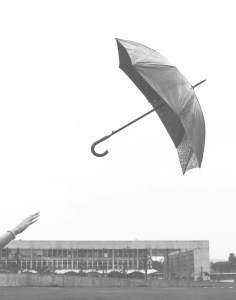
Recently, it hit me, however, that I don’t have that experience anymore. As a matter of fact, during a recent heavy conversation that I had been dreading, in the midst of it, I felt remarkably grounded. My words were there and accessible. My sentences were clear and meaningful. I was processing the information in real time. Not rushed, not taken by the wind.
Sure, it was stressful. I was worried about how things would turn out. But the panicky out-of-control feeling was no longer there.
I have no idea when everything changed, but likely it was bit by bit, over the weeks and months and years of practicing breathing through everything.
Experience showed me that even the worst situations can have positive outcomes. Perspective matters.
So, if you’ve ever questioned whether setting time aside every day for quiet contemplation was worth it, I can assure you, yes, it is. It might not be apparent outwardly, but be confident that behind the scenes, things are changing for the better.


