Six Years and 2 Days Ago, Panic

On Feb 8, 2017, I finally went to see my nurse practitioner about a breast lump that I’d originally noticed six months before, the previous August.

From the split second that the expression on her face shifted as she felt the lump and sent me off with an order for a diagnostic mammogram, everything changed. I went from hemming and hawing about spending the money on a copay for a doc appointment for something that would obviously turn out to be nothing…to a downward spiral into despair like I’d never felt before.

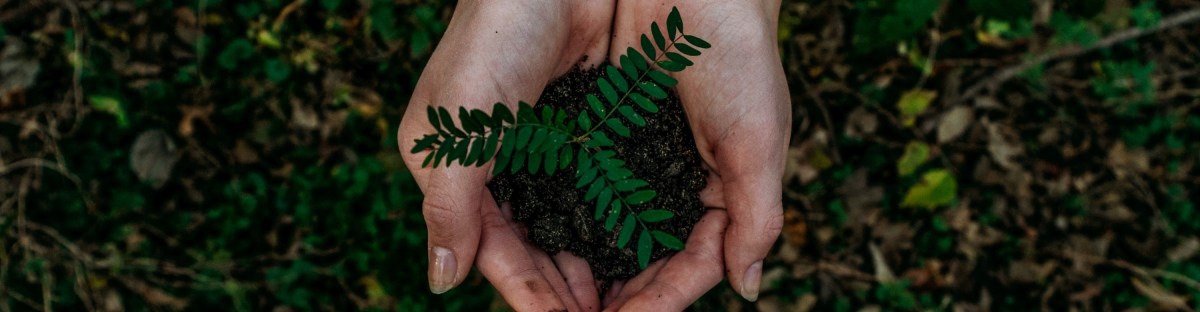
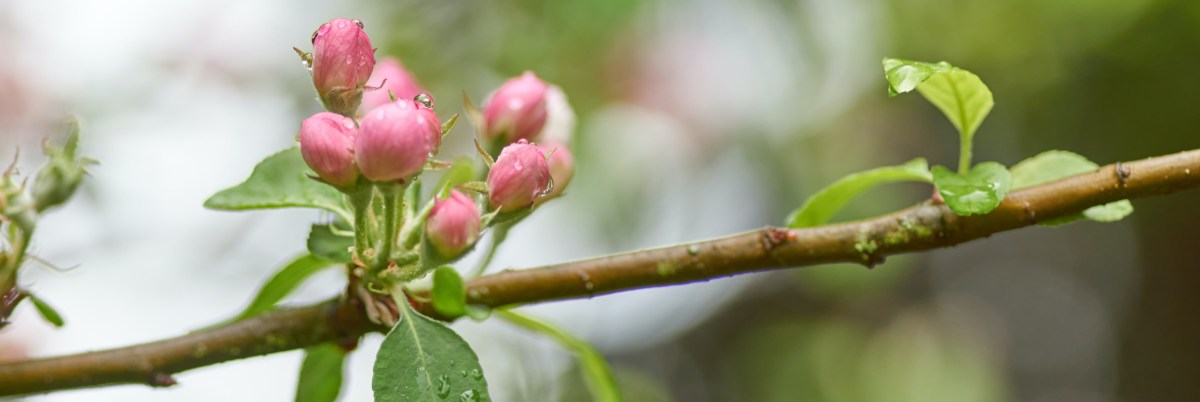
Memories of this period in my life are not very pleasant, so instead of loading up images of frightened faces and horrible possibilities, I’ve decided to post only peaceful pictures here.

Looking back on that time, knowing all the self-calming techniques and meditation methods that I currently practice, if I were going through this now one thing is very clear: I would still have panicked.

It bears mentioning that on Feb 8, 2017, I did not get my diagnosis. That appointment simply opened the door for scans that I was hoping I wouldn’t have to go through, but it devastated me regardless. In the two weeks that it took before I could actually go in for the mammogram and ultrasound, I died many times over.

The fact is, nothing ever prepares you for a cancer diagnosis. No matter what sort of mental calisthenics you practice, cancer is still CANCER. And even the idea that cancer could be a reality is terrifying.

There is no “alternative wording” that makes this easier. Sooner or later, you’d still bump up against that six-letter word that, for someone in my generation, meant a distinct possibility for a very sad ending (which arguably is an outdated and potentially irrational view, but that’s what you get).

Yeah, nothing stressful here. Just a sleepy kitten.

So rest assured, if you ever find yourself in this situation, no matter how you’re handling it, you’re doing a good job. Because you don’t really “handle” the news, you just splash around and try to keep your head above water.

Doctors, I’m told, practice delivering the news in a calm but empathic manner. Trust me, that’s kind of lost on the patient. Since my lump was clearly cancerous on the diagnostic ultrasound, I actually got the news broken to me twice:

My radiologist (after the ultrasound): “I have two things to tell you. One, you have cancer. Two, you’re going to be okay.”

My general practitioner (after the biopsy): “It’s as we feared. It’s cancer.”

See, whether the delivery is kind of upbeat with an attempt at a positive ending or whether it’s more reserved, anticipating the patient’s fear at hearing this, it doesn’t matter. Because once you cross that threshhold, you can’t turn back to “it’s nothing, have a nice day”. You are literally propelled forward into the next steps, and there will be many of them.

Room for one more image? How about tulips? I love tulips.

But there are a few things to remember. Being thrust headfirst into the world of cancer means that at least you’re not standing still like you are when you’re worrying about a diagnosis. Recalling Churchill’s famous quote, “When you’re going through hell, keep going”. Of all the times in a cancer journey, the point right around the diagnosis is the most terrifying because you know you have cancer but not necessarily how “bad” your situation is or what the next steps are.

There is relief in the movement of information and the passage of time. If there is a way to focus on the next step, always the next step, without getting overwhelmed by the tidal wave brought on by the concept of having cancer, you will be able to gingerly find yourself a path through which to navigate the cancer journey, and there is peace in that.

And if there isn’t peace…you’re still very normal. ❤

Believing in My Abilities: A Superpower for 2023

I’m calling 2023 my “year of calm”, because I’m going to be nuturing a deep, conscious, peaceful state of being. This is my superpower.

Since my cancer diagnosis six years ago, I’ve worked at combatting the rawness of emotion by making space, and one of the things that I’ve found is very important in doing so is the feeling of self-efficacy: the idea that I, in fact, can step back from frightening or obsessive thoughts and ruminations. Not to repress them, but to observe them without getting sucked in.

Breathing deeply, relaxing, I create space around myself. Relief from the rawness of emotion in my face. Grounded, I watch the world from the safety of my calm bubble.

I flex my superpower of quieting my thoughts by visualizing this scenario: I imagine that I’m being chased by something scary (monsters, zombies, another cancer diagnosis…). But a split-second before something grabs me, I slow everything down, feeling into my extremities and making space all around me. I imagine this as a pearlized bubble forming around me and the calmer I am, the deeper my breaths, the more protected I become. If I believe in my ability to calm myself, no matter how close the monster is to me, they can’t touch me.

My calm demeanor allows me to float in my bubble. I see everything around me, including the things that terrify me. But from within that pearl, sounds are a bit more distant and the view is a little clouded, as if I am watching through a gentle haze. Inside I am firmly grounded and aware in my body. Confident that I’m safe in the present moment. And as long as I believe it, I am.

This might seem like an overly simplistic view of anxiety and it’s not meant to belittle what someone else might experience. I’ve been through those feelings of anxiety run amuck — at that point in my life this would not have worked. What I was experiencing was very real and intense. Having emotions constantly “in your face” chips away at the perception that you’ll ever being able to get a handle on them.

When I believe in my ability to calm myself, I calm myself.

After years of practice in grounding, mindfulness and meditation, I can attest to the fact that believing in my ability to calm myself has been critical in helping combat anxiety. Acquiring that level of confidence was a process of consistent mindful meditation, on good days and bad days. But now that I’ve gotten a fingerhold on it, every time I am able to calm myself, my self-efficacy is strengthened.

Because as anxious as my thoughts can be, and as loud as they may seem, they are only inside my head. Remembering that has given me the greatest superpower in the world.

In Memoriam: Thich Nhat Hanh, “I Have Arrived, I Am Home” [VIDEO]

Since my last post, my family and I were diagnosed with COVID. We are doing well and experiencing mild symptoms.

I’d like to devote this post to a beautiful documentary that came out on January 22, 2023, Vietnam time (January 21, 2023 in the US), a year to the day of the passing of Zen master Thich Nhat Hanh, aged 95, known as the “Father of Mindfulness”.

Entitled I Have Arrived, I Am Home (Plum Village YouTube Channel), this film covers the last few years of the life of Thich Nhat Hanh — also called Thay, or “teacher” — after he returned to the Tu Hieu Temple in Vietnam at which he was ordained a monk many decades prior.

“I Have Arrived, I Am Home” – 41:46 min

Under 3/4 of an hour long, the film beautifully illustrates how Thay, in his post-stroke years, returned to his roots in preparation for his passing (“transition”). It documents his death and funeral and the effect that his life has had on the existing monasteries of the Plum Village Tradition, which he established.

The writing of Thay greatly touched me during my cancer journey, and I Have Arrived, I Am Home is a lovely video that depicts his kindness and care for his students. This was not created to “convert” anyone but only to teach by example. I hope you take some time to view it, especially as our world continues to experience much unrest and pain.

~~~~~~~~~~~~~~~~~~~~~~~~~~~~~

If you are interested in learning more about Thich Nhat Hanh’s mindful life, I encourage you to refer to this article from Lion’s Roar magazine, published on the day of his death last year.

I had the pleasure of attenting a “Day of Mindfulness” at the Deer Park Monastery (Plum Village Tradition) in Escondido, CA in Summer 2019 and described it here.

Navigating Anxious Moments with Breath and Muscle Release

When you can’t control your anxious thoughts, what can you use to get a foothold on stability?

This was the issue for me for years, if not decades. During panicky times, I’d close my eyes at night and see a montage of fleeting images like a rapidly changing patchwork quilt that I couldn’t stop. It was kind of like at the beginning of a Marvel movie, where images whiz by you. Except that for me there were no superheroes or rush of excited anticipation.

This is not an ad for Marvel. The first seven seconds of this 11-second clip represent what I used to “see” during middle-of-the-night panic sessions: just flashing images passing before me.

Anxiety meant being blanketed by nausea and fear that blocked my view of reality. I couldn’t see past any of it because the sensation was all-encompassing. Mindful grounding has enabled me to get a hold on the edge of that blanket and pull it up ever so slightly to let some light in.

That was accomplished by two simple things that I could control in the midst of everything else I couldn’t:
1) changing my breathing pattern
2) identifying and releasing muscle tension

I might not have been able to slow the thoughts, decrease my heartrate or relieve the nausea directly…but the combination of the breath and relaxing my muscles provided a path that led around those things and quietly affected them behind the scenes.

First, start with your breath

Bring your attention to the breath and consciously slow it down. Start by trying to make your inhales and exhales the same length, adding a second-or-two pause in between. Depending on your level of anxiety, this may take some time if your breathing has been rapid and shallow. Any slowing is helpful, especially at the beginning. Be compassionate and patient with yourself.

A hand on the belly makes it easier to focus on breathing into the abdomen.

I find it easiest to deepen the inhale first, drawing the breath into the belly. Placing a hand on the belly helps keep your focus there as the sense of touch supports grounding. Try a deep inbreath, pause, and a lengthened outbreath. Blowing out through pursed lips helps control the air flow and draw out the exhale. An exhale that is longer that an inhale helps slow your heartrate. Belly-breathing makes a big difference.

Aim for an inbreath of 4 counts, pause and hold for 2 counts, exhale for 6 counts.

Some guidance recommends that you place one hand on the chest while you have the other on your belly. However, in my experience, if you are particularly anxious it’s helpful to keep your focus off a racing heart. Keeping your hand on your belly is enough.

Next, relax muscular tension

Releasing the tension in your body will help calm you. We often don’t realize how much tension we’re holding until we mindfully scan our bodies.

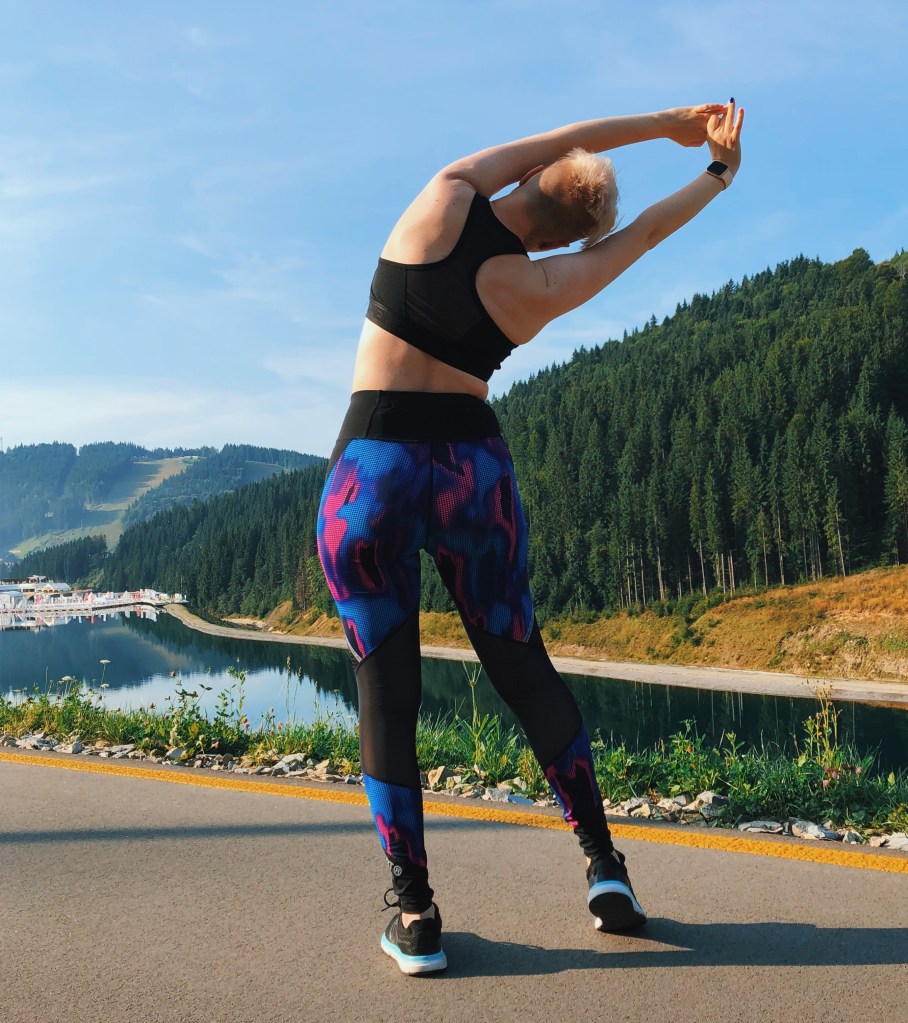
Stretch in whatever way feels good. Don’t be afraid to take up some space.

First, streeeetch the way you’d stretch after waking or when you’ve been stuck in one position for a while. Imagine you’re a sleepy bear coming out of hibernation. Too often when stressed we crumple in and hunch over — opening up through a stretch may signal to the body that it’s safe to come out.

Then, roll your shoulders forwards and back. Gently roll your head in a front semicircle, ear to ear, paying attention to how it feel to move in that way. So many of us hold tension in the neck and shoulders and we squeeze muscles there without realizing it. Spend some time loosening up these areas.

Feel into your face. Raise and lower your brows several times. Relax the muscles around the eyes. Open and close your mouth and wiggle your jaw. Clenching in this area can cause headaches so try to release tightness here.

Turn your attention to the rest of your body. Are you knotted anywhere? Simply the process of noticing where your muscles are tightening can change your focus from anxious thoughts in your head to sensations in your body, keeping you present and less likely to get trapped by fears.

Aim for progress, not perfection. This is a learning process, so don’t wait for anxiety to reach a peak before starting. Practice when you’re calm so you know what a lengthened breath and relaxed state feels like in your body.

Those of us who have lived with anxiety would love to hang out in peaceful bliss all the time, but that’s not the reality of life. However, nurturing calm through techniques such as breathwork and muscle relaxation lessens the distress of anxiety-provoking situations and helps us find a sense of comfort within our discomfort.

2023: Thriving at Last?

Some of our greatest strengths are born in our lowest moments.

Unknown

While I try not to keep returning to stories about “how far I’ve come” since my breast cancer diagnosis almost six years ago, for the start of 2023, I wanted to do a teensy bit of navel-gazing and take stock of how different everything looks compared to how it did after my 2017 diagnosis…and even from just a year ago.

My breast cancer story started the same way as it does for most of those diagnosed with cancer, with a lot of shock and disbelief. There’s nothing new or special about that.

However, for me cancer had been my ultimate health fear, the worst thing that I could image happening, particularly because I grew up during a time that cancer patients had poor prognoses and I had lost dear family to the disease. My exercise, dietary and lifestyle habits were in part driven by health concerns and that’s why my eventual diagnosis felt all the more “unfair”.

I have survived almost six years! But I had been so angry about my diagnosis that it took several years to appreciate how much of a victory that was.

The absolute worst health catastrophe that I feared could happen to me actually did happen…and I was too bitter to appreciate that I survived it.

Not only did I survive the treatment, I have slogged through lasting side effects. Trapped by fear and anger, I lost the initial positivity that I’d experienced right after completing chemo and radiation — I mean, after all that almost anything is going to feel better — and became mired in frustration.

When I finally managed to get through my head that there are many bad things that happen to people who do not deserve them, and many far worse than my own, I was able to move past my preoccupation with myself. That took longer than I’d like to admit.

But allowing that time to work through anger and fear until I got to the point of acceptance was so important for me. And the magical part of this is that acceptance was followed by an unfettering of my thoughts. Holding that bitterness had taken so much energy that little remained for other, more important things.

At the time of my diagnosis, I was fearful and bitter. A mere year ago, I was still angry. But in 2023, I have given myself the gift of freedom from that negativity and that allows so much space to breathe deeply and turn my attention towards better things. It was that release that took with it a nice chunk of anxiety that had likewise held me captive.

And now, instead of being just a survivor, I am finally feeling like I’m thriving.

New Year, New Approach to Resolutions

With the start of the new year, many of us set lofty goals with the intention of changing things that we do not like about ourselves.

But so many of those goals are not realized. You may be aware that it takes approximately 21-28 days in order to create a new behavior, but a cursory search on the internet suggests that most people don’t even last that long.

New Year’s resolutions are not known for their longevity!

There are certainly behavioral modification tricks that you could use to establish a new healthy habit, but if you haven’t had success in the past, perhaps it would be worth taking a different tack this year.

Instead of doing something to immediately “fix” yourself, try sitting with the acceptance of who you are right now.

Release the pressures of becoming that person that you think you want to be and spend some time getting to know the ins and outs of the person that you already are.

You may argue that there are things that you must change within yourself, that there are challenges you must take on and healthy behaviors that you must establish. I am certainly not telling you to give up on those.

Sit quietly with acceptance of that person that you are right now, in your current “unchanged” state.

But it’s possible that you need a little self-compassion before plunging into making big changes.

So just for today, consider what an amazing being you are. Beautiful as you are right now. A mosaic of the years that you’ve already lived, showing the marks of your experiences. Some of those might be scars, but that’s okay. They have all come together to make that unique being that is “you”.

Then consider what this “you” really needs. Not late nights and fast food meals. Not being jammed into an office chair, hunched over a desk, or crumpled on a couch trying to distract yourself with TV shows about other people, neglecting the needs of the person you are.

Through self-compassion, find your reasons to show yourself the love that you deserve.

You need the freedom to breathe deeply, be nourished and allowed to stretch out your limbs. To close your eyes and be still, to take a break from harsh lights and electronic screens. To move, whether it’s a jog-walk to the park or dancing in your living room.

Consider how you can do something supportive of yourself and the world in which you live, out of love. Those changes that you want to make, do they nuture your body? Do they lift up others or help care for your surroundings? That challenge that you wish to undertake, will it help you grow, or just mindlessly try to hammer you into something that you are not?

And once you’ve accepted where you are now, can you find a way to love and guide yourself through establishing new behaviors — because it is your choice to do so — and *not* fight the things that will contribute to your health and well-being?

Take some time to think about all of this…and proceed from there.

HAPPY NEW YEAR! ❤

Memory and Attention Adaptation Training (MAAT): Finding a Way to Deal with Chemo Brain

So, as I’ve written about in previous posts (here and here) there’s this thing called ‘chemo brain’, and contrary to what you might find when you google it, it doesn’t necessarily go away after you finish cancer treatment. It also has a longer name: Cancer-Related Cognitive Impairment (CRCI).

This can be particularly frustrating for those of us who are expected to perform “as before” (meaning, prior to getting cancer) and yet increasingly fall victim to distractions, searching for words, forgetting things as soon as we’re told them, and in general, wondering whether we’ve now come down with a mix of dementia and ADHD.

You’ll need more than a bouquet of forget-me-nots to navigate post-cancer issues like CRCI. Classes like MAAT can help.

There is help, however, and it’s arrived in the form of a class called Memory and Attention Adaptation Training (MAAT). I had the opportunity to take this 8-week class in Fall 2022 and it recently concluded.

The class is intelligently put together, first showing students the science about what they are experiencing (and that it’s not early-onset dementia!), and then over the next two months, teaching tricks and techniques for helping navigate the new landscape of CRCI.

This includes learning stress management techniques, improving sleep and pacing oneself, making self-care a high priority. But the majority of the class was devoted to learning how to use methods such as rehearsal/repetition, situational awareness, scheduling, distraction reduction, active listening and imagery. These help us maintain focus and retain information while reducing overwhelm.

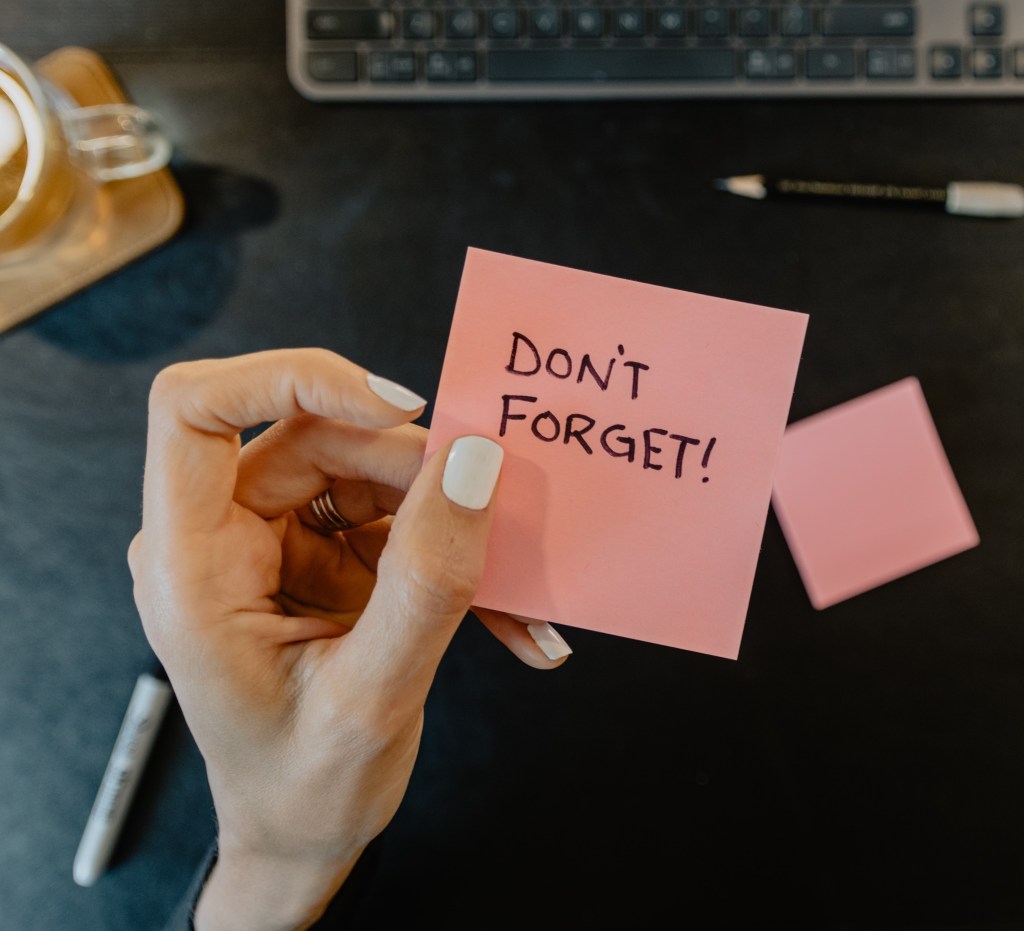
It takes more than littering your desk with post-it notes. We need to create an environment that supports memory storage and distraction reduction.

I took the class through SHARP Hospital in the San Diego, CA area as part of their second cohort. It was taught by a clinical oncology social worker (herself a breast cancer survivor) and a speech pathologist, and their expertise made the class even more worthwhile. While the first cohort was in person, we in the second cohort had the benefit of taking the class via Zoom, which helped with accessibility, especially for those of us who are still working.

And a number of us there were already about 3-5 years out of treatment, which dispells the notion that chemo brain only lasts during treatment. Our cohort members’ ages ran the gamut from early 30s to well into retirement, illustrating that CRCI can show up in any cancer survivors regardless of age.

Realizing that this is affecting many more people that have been reporting symptoms, the SHARP Health Care system has opened the classes to individuals in other health systems in the San Diego area.

No matter where you live, if you are a cancer survivor experiencing some form of cognitive impairment, I urge you to 1) tell your oncological team (They need to know this is happening!) and 2) ask them about the availability of MAAT classes in your region. MAAT is not currently being offered widely, so please make your needs known so that this service can be expanded to those who need it.

~~~~~~~~~~~~~~~~~~~~~~~~~~~~~~~~~~~~

Curiously enough, one of the first assignments we had in the MAAT class was to work with gratitude – yes, it really does help! Such a perfect practice to begin at this time of the year! Happy Holidays to all! ❤

Finishing Faster: Exploring Shorter Radiation Treatment for Early-Stage Breast Cancer

Many of us who have lived through early stage breast cancer with lumpectomy surgery have also gone through radiation treatment.

If you’ve been there, you know the drill: 4-6 weeks of daily radiation sessions. Each one is relatively short, but there’s the time involved in getting there, changing into a gown, waiting for your turn, having the treatment, changing back into your clothes and getting back home (or work or wherever else you need to be).

And this happens every single day, five days a week, for weeks. You get to know your radiation therapists very well. And they get to see your breast over and over again. It goes on and on and on.

Closing the book on cancer treatment is a great feeling. And making radiation even shorter? Yes, please!

However, a recent clinical trial (described in the National Cancer Center’s Cancer Currents blog) examined the efficacy of a shorter 3-week session and found that the results (i.e., chances of cancer recurrence and serious side effects) were comparable to the longer, standard treatment.

Women who have an elevated risk of having the cancer recur at the tumor site are usually given an additional “boost” of radiation to that area. This takes place after the initial weeks of radiation, extending the length of treatment. However, researchers discovered that this boost could be given concurrently, thereby shortening the number of weeks that patients had to undergo radiation without compromising its effectiveness.

From the perspective of a patient, this is very welcome news. Setting aside time every day of the week to make the trip to the cancer center for treatment only works if your other responsibilities are flexible. I was working part-time during this, had access to a car, could get to the cancer center quickly and could be done in time to pick up my kids without too much of a problem. My bosses were extremely understanding and gave me the latitude I needed to complete my treatment with a minimum of stress.

For many, however, this might not be the case. Being able to shorten the overall treatment time could be critical in helping patients finish all their sessions.

It is heartening to know that as cancer treatments evolve, they become much easier to incorporate into our everyday lives. I am hopeful that the changes that come about over the next 10 years will provide even more options for successful completion of treatment with a greater survival rate for all.

~~~~~~~~~~~~~~~~~~~~~~~~~~~~

REFERENCES

Reader-Friendly
Ben-Ari, E, Shorter Course of Radiation Is Effective, Safe for Some with Early-Stage Breast Cancer, Cancer Currents, November 30, 2022: https://www.cancer.gov/news-events/cancer-currents-blog/2022/early-breast-cancer-shorter-radiation-therapy

Note: the results of the referenced clinical trial were presented on Oct 24, 2022 at the American Society for Radiation Oncology (ASTRO) annual meeting in San Antonio, Texas with Frank Vicini, MD as the study leader. My expectation is that more information will be published and I will try to post it here once it is.

But First, Self-Compassion

If you don’t love yourself, you cannot love others. You will not be able to love others. If you have no compassion for yourself, you are not capable of developing compassion for others.

Dalai Lama

As we head deeper into the holiday season, it’s easy to get lost in the hustle of preparations, gift purchases and holiday parties. So often, a time that’s supposed to be “joyous”, “merry” and “bright” becomes dark and stressful as we face the high expectations that we hold for these remaining weeks of 2022.

It’s difficult to welcome the holidays with an open heart if we’re closed off to our own needs.

I think of self-compassion as a rope. If you’re standing at the edge of a lake and see someone in distress you can only throw a rope if you have enough coils on your end. If the rope you hold is too short, it won’t reach the person you’re trying to help. 

And so it is if you’re trying to show care for someone—how can you truly care for them if you don’t care for yourself? Will you even know what sincere care and compassion are?

Self-compassion: acceptance, kindness and the understanding that what you are experiencing is part of being human.

 But the bonus of self-compassion is that the rope you throw is magical — you never give it all away. The rope is endless. Compassion doesn’t hurt, and a compassionate heart opens you up to being more compassionate more easily.

Allowing yourself to have the “less-than-Hallmark” holiday spread, to admit that you’re not feeling particularly jolly, to acknowledge that you need a break from responsibilities…

Take some time to feel into where your tension lies. Stop and listen to yourself breathe. Accept your feelings without judgment. Say “no” to taking on extra responsibilities more often…and then help others in doing the same.

Be compassionate towards yourself and it will be easier to show compassion to everyone else.

How will I show compassion to myself today? By taking stock of what else I can reasonably get done…and therefore end this post right here.

~~~~~~~~~~~~~~~~~~~~~~~

Ok, I know up there I said I was ending this self-compassion post…but before I go, consider the words of Kristin Neff, PhD, Associate Professor of Educational Psychology at the University of Texas and a research pioneer on the topic: “With self-compassion, we give ourselves the kindness and care we’d give to a good friend.”

Dr. Neff breaks self-compassion down into three elements:
1. Mindfulness
2. Self-Kindness
3. Connectedness or Common Humanity

Read more about her work at https://self-compassion.org/