Memory and Attention Adaptation Training (MAAT): Finding a Way to Deal with Chemo Brain

So, as I’ve written about in previous posts (here and here) there’s this thing called ‘chemo brain’, and contrary to what you might find when you google it, it doesn’t necessarily go away after you finish cancer treatment. It also has a longer name: Cancer-Related Cognitive Impairment (CRCI).

This can be particularly frustrating for those of us who are expected to perform “as before” (meaning, prior to getting cancer) and yet increasingly fall victim to distractions, searching for words, forgetting things as soon as we’re told them, and in general, wondering whether we’ve now come down with a mix of dementia and ADHD.

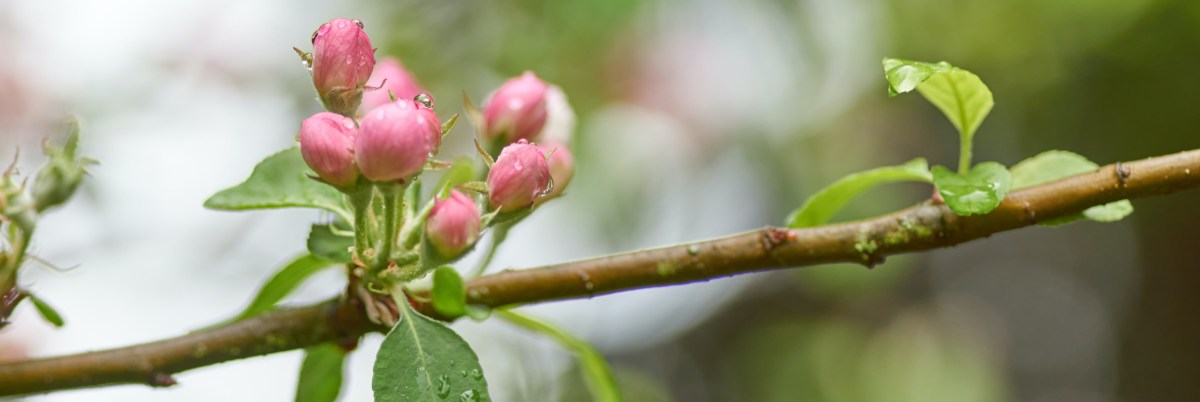
You’ll need more than a bouquet of forget-me-nots to navigate post-cancer issues like CRCI. Classes like MAAT can help.

There is help, however, and it’s arrived in the form of a class called Memory and Attention Adaptation Training (MAAT). I had the opportunity to take this 8-week class in Fall 2022 and it recently concluded.

The class is intelligently put together, first showing students the science about what they are experiencing (and that it’s not early-onset dementia!), and then over the next two months, teaching tricks and techniques for helping navigate the new landscape of CRCI.

This includes learning stress management techniques, improving sleep and pacing oneself, making self-care a high priority. But the majority of the class was devoted to learning how to use methods such as rehearsal/repetition, situational awareness, scheduling, distraction reduction, active listening and imagery. These help us maintain focus and retain information while reducing overwhelm.

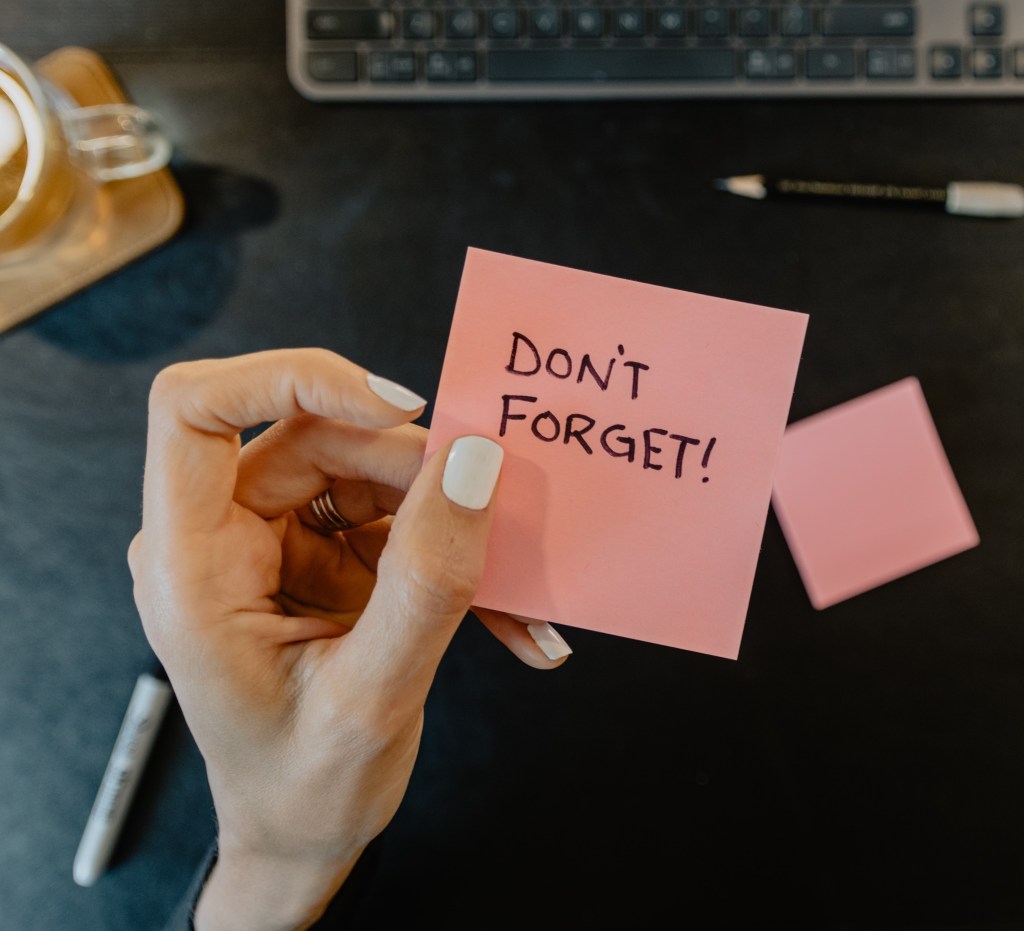
It takes more than littering your desk with post-it notes. We need to create an environment that supports memory storage and distraction reduction.

I took the class through SHARP Hospital in the San Diego, CA area as part of their second cohort. It was taught by a clinical oncology social worker (herself a breast cancer survivor) and a speech pathologist, and their expertise made the class even more worthwhile. While the first cohort was in person, we in the second cohort had the benefit of taking the class via Zoom, which helped with accessibility, especially for those of us who are still working.

And a number of us there were already about 3-5 years out of treatment, which dispells the notion that chemo brain only lasts during treatment. Our cohort members’ ages ran the gamut from early 30s to well into retirement, illustrating that CRCI can show up in any cancer survivors regardless of age.

Realizing that this is affecting many more people that have been reporting symptoms, the SHARP Health Care system has opened the classes to individuals in other health systems in the San Diego area.

No matter where you live, if you are a cancer survivor experiencing some form of cognitive impairment, I urge you to 1) tell your oncological team (They need to know this is happening!) and 2) ask them about the availability of MAAT classes in your region. MAAT is not currently being offered widely, so please make your needs known so that this service can be expanded to those who need it.

~~~~~~~~~~~~~~~~~~~~~~~~~~~~~~~~~~~~

Curiously enough, one of the first assignments we had in the MAAT class was to work with gratitude – yes, it really does help! Such a perfect practice to begin at this time of the year! Happy Holidays to all! ❤

Finishing Faster: Exploring Shorter Radiation Treatment for Early-Stage Breast Cancer

Many of us who have lived through early stage breast cancer with lumpectomy surgery have also gone through radiation treatment.

If you’ve been there, you know the drill: 4-6 weeks of daily radiation sessions. Each one is relatively short, but there’s the time involved in getting there, changing into a gown, waiting for your turn, having the treatment, changing back into your clothes and getting back home (or work or wherever else you need to be).

And this happens every single day, five days a week, for weeks. You get to know your radiation therapists very well. And they get to see your breast over and over again. It goes on and on and on.

Closing the book on cancer treatment is a great feeling. And making radiation even shorter? Yes, please!

However, a recent clinical trial (described in the National Cancer Center’s Cancer Currents blog) examined the efficacy of a shorter 3-week session and found that the results (i.e., chances of cancer recurrence and serious side effects) were comparable to the longer, standard treatment.

Women who have an elevated risk of having the cancer recur at the tumor site are usually given an additional “boost” of radiation to that area. This takes place after the initial weeks of radiation, extending the length of treatment. However, researchers discovered that this boost could be given concurrently, thereby shortening the number of weeks that patients had to undergo radiation without compromising its effectiveness.

From the perspective of a patient, this is very welcome news. Setting aside time every day of the week to make the trip to the cancer center for treatment only works if your other responsibilities are flexible. I was working part-time during this, had access to a car, could get to the cancer center quickly and could be done in time to pick up my kids without too much of a problem. My bosses were extremely understanding and gave me the latitude I needed to complete my treatment with a minimum of stress.

For many, however, this might not be the case. Being able to shorten the overall treatment time could be critical in helping patients finish all their sessions.

It is heartening to know that as cancer treatments evolve, they become much easier to incorporate into our everyday lives. I am hopeful that the changes that come about over the next 10 years will provide even more options for successful completion of treatment with a greater survival rate for all.

~~~~~~~~~~~~~~~~~~~~~~~~~~~~

REFERENCES

Reader-Friendly
Ben-Ari, E, Shorter Course of Radiation Is Effective, Safe for Some with Early-Stage Breast Cancer, Cancer Currents, November 30, 2022: https://www.cancer.gov/news-events/cancer-currents-blog/2022/early-breast-cancer-shorter-radiation-therapy

Note: the results of the referenced clinical trial were presented on Oct 24, 2022 at the American Society for Radiation Oncology (ASTRO) annual meeting in San Antonio, Texas with Frank Vicini, MD as the study leader. My expectation is that more information will be published and I will try to post it here once it is.

But First, Self-Compassion

If you don’t love yourself, you cannot love others. You will not be able to love others. If you have no compassion for yourself, you are not capable of developing compassion for others.

Dalai Lama

As we head deeper into the holiday season, it’s easy to get lost in the hustle of preparations, gift purchases and holiday parties. So often, a time that’s supposed to be “joyous”, “merry” and “bright” becomes dark and stressful as we face the high expectations that we hold for these remaining weeks of 2022.

It’s difficult to welcome the holidays with an open heart if we’re closed off to our own needs.

I think of self-compassion as a rope. If you’re standing at the edge of a lake and see someone in distress you can only throw a rope if you have enough coils on your end. If the rope you hold is too short, it won’t reach the person you’re trying to help. 

And so it is if you’re trying to show care for someone—how can you truly care for them if you don’t care for yourself? Will you even know what sincere care and compassion are?

Self-compassion: acceptance, kindness and the understanding that what you are experiencing is part of being human.

 But the bonus of self-compassion is that the rope you throw is magical — you never give it all away. The rope is endless. Compassion doesn’t hurt, and a compassionate heart opens you up to being more compassionate more easily.

Allowing yourself to have the “less-than-Hallmark” holiday spread, to admit that you’re not feeling particularly jolly, to acknowledge that you need a break from responsibilities…

Take some time to feel into where your tension lies. Stop and listen to yourself breathe. Accept your feelings without judgment. Say “no” to taking on extra responsibilities more often…and then help others in doing the same.

Be compassionate towards yourself and it will be easier to show compassion to everyone else.

How will I show compassion to myself today? By taking stock of what else I can reasonably get done…and therefore end this post right here.

~~~~~~~~~~~~~~~~~~~~~~~

Ok, I know up there I said I was ending this self-compassion post…but before I go, consider the words of Kristin Neff, PhD, Associate Professor of Educational Psychology at the University of Texas and a research pioneer on the topic: “With self-compassion, we give ourselves the kindness and care we’d give to a good friend.”

Dr. Neff breaks self-compassion down into three elements:
1. Mindfulness
2. Self-Kindness
3. Connectedness or Common Humanity

Read more about her work at https://self-compassion.org/

“Scatterbrained”: Yeah, Chemo Brain is Real

After a few years of wondering what the heck is going on with my head, I joined a Memory and Attention Adaptation Training (MAAT) class generously provided by my cancer center (which I’ll be posting about on a later date).

This is gratifying on two levels: first, that I can learn new strategies for dealing with the memory issues and distractibility that have been plaguing me since finishing breast cancer treatment five years ago; and second, and perhaps more important to me emotionally, that what I am experiencing is REAL. It’s officially termed Chemotherapy Related Cognitive Impairment (CRCI) or, informally, chemo brain.

I’ve been told that “you’re imagining this” (I’m not) or “you’ve always been like this” (I haven’t) or “just focus harder” (I AM!!!) or even “this is just an excuse” (Argh! No!), coming from people who have been annoyed by my memory lapses.

Chemo brain spends a lot of time just wandering around without an idea of how to get anywhere.

My brain isn’t lazy. As a matter of fact, it’s the opposite problem. My brain is too busy.

In the MAAT class, we learned of a study from the University of British Columbia (UBC) by Kam et al. (2016, Clin Neurophysiol) that examined what happens inside those brains that suffer cognitive impairment from cancer treatment, even years later. In that published study, the experimental group consisted of nineteen breast cancer survivors. All had undergone chemotherapy for early stage breast cancer and had subsequently self-reported cognitive issues.

Researchers at UBC compared these survivors against twelve (non-cancer) control subjects in a task that required sustained attention. All the participants’ brains were monitored via electroencephalogram (EEG) both while working on the task and while at rest.

The results were vindicating for me and, I’m sure, for others experiencing this. Normal brains cycle through periods of focus and periods of “wandering”. However, as the UBC researchers stated in a summary of their results (published here): “We found that chemo brain is a chronically wandering brain, they’re essentially stuck in a shut out mode.”

This was true even when the breast cancer survivors thought that they were focusing. Furthermore, the survivors’ brains exhibited activity even when they were instructed to relax.

Great. We know that chemo brain is an undeniable fact for some cancer survivors and can last for years — in this study, up to three years. However, for me and some of the people in my MAAT class, it’s been five years and we’re still dealing with this, which is frustrating. What can be done about it?

When anxiety and chemo brain collide, you get a confused goat tangled up in a rope. That would be me.

It won’t come as a surprise — anxiety makes everything worse, and that holds true for chemo brain too. As mentioned above, I’ll discuss this in greater detail in a later post, but basically, a main focus of the MAAT class is learning to handle stressors in an effort to relieve anxiety.

So now that I know that what I’m experiencing is a real thing, a large part of combatting it is what I’m already trying to do — mindfulness, meditation, yoga and similar sensible self-care. And while it might seem aggravating that even with all that practice I’m still dealing with this, I’m actually bouyed by the fact that every bit of mindfulness helps. The reality is, I’ve made a monumental amount of progress from where I was when I started, five years ago.

And that keeps me going. Where would I be if I wasn’t trying?

~~~~~~~~~~~~~~~~~~~~~~~~~~~~~~~~~

References:

Reader-friendly summary:
“‘Chemo brain’ is real, say UBC researchers”, UBC News, Apr 27, 2015, https://news.ubc.ca/2015/04/27/chemo-brain-is-real-say-ubc-researchers/

The published study:
Kam JWY, Brenner CA, Handy TC, Boyd LA, Liu-Ambrose T, Lim HJ, Hayden S, Campbell KL (2016) Sustained attention abnormalities in breast cancer survivors with cognitive deficits post chemotherapy: An electrophysiological study, Clinical Neurophysiology, 127, 369-378. https://doi.org/10.1016/j.clinph.2015.03.007
Please note that the above study is not available free online at this time. For a pdf free of charge, contact one of the authors (email address next to their name at link above) or your local university library. Due to copyright issues, I am unable to distribute the full document myself.

A Gentle Meditation for Finding Peace at Thanksgiving

For those of us in the United States, Thanksgiving presents an opportunity to gather with family and close friends and share a festive meal.

However, this holiday can become complicated in a time of polarized views. Coming on the heels of another political election, togetherness with those of strong opinions might be, to say the least, uncomfortable.

Put another way, the battles will be epic, the indigestion will be legendary.

So for everyone who is anticipating shifting restlessly in their seats this week, I wanted to offer you a short meditation.

Listen closely. On the surface you might not like what you hear, but there may be deeper messages that speak to the vulnerability of those who seem the most belligerent.

Listen. If you listen closely enough, you will hear the real reasons that your family members believe what they do, particularly if their views seem hurtful or unfair. It often has something to do with fear or an unfulfilled need and often comes from a place of vulnerability.

You will chose how to approach this. But I can assure you that arguments are pointless. There will be no “winner”. Just resentment and an even stronger resolve not to change their minds. Don’t plan on pulling a “zinger” that will convert everyone to your way of understanding. Not gonna happen.

Observe. Instead of reacting to statements that you feel are wrong, watch the body language of those around you – it will show you the state that they are in. Clenched fists, hunched shoulders, unsmiling faces, repetitive movements – all these belie discomfort. Are people enjoying their food or unhappily shoveling it down?

Take a step back to help you see what’s really going on. Everyone at the table has a three-dimensional life with their own desires, joys and sorrows. In the time of heightened emotions, it’s easy to forget that.

Smile and find something that everyone can agree on.

Breathe. Don’t get sucked in. If someone asks you what you think about a contentious topic, smile and compliment Aunt Gladys’ stuffing. How does she always make it so flavorful? You woke this morning salivating, thinking about having it for dinner.

It may sound contrived, but if you can find a sincere compliment to express, you can change the direction of the conversation and relieve tension. But please, be sincere.

This is not a dishonest deflection of attention. This is finding that one thing that everyone can agree on and focusing on it. It’s like lighting a spark and then blowing on it gently to help it grow into a warm and cozy fire. Everyone benefits.

This is mindfulness at its best. Every person has something within them that wants to be loved and respected, even if they don’t feel they deserve it. Sometimes those who seem the most cantankerous feel the most wretched inside. Remember, at the end of the visit, you will get to leave, so why not leave having spread a little joy and goodwill?

At the least, you will have made Aunt Gladys smile.

~~~~~~~~~~~~~~~~~~~~~~~~~~~~~~

There is a lot going on in the world that is worth fighting for. Thanksgiving dinner is not the place to do that. And perhaps the peace that you impart over that meal will eventually soften hearts and open minds.

Fighting My Way Out of a Paper Bag: An Analogy

I wanted to share a little technique that I’ve been using to give myself perspective. It’s quite simple: I have a small brown paper bag pinned to the wall above my desk.

The bag is there to remind me that most of the things that are upsetting me or stressing me or just taking up headspace in the moment are transient issues that fit into that paper bag. The REST of my world remains outside that bag and unbothered by whatever is going on in there.

The trick for me is to not get sucked into that brown bag. When that happens, and it does, I’m suddenly whirling around with all the daily stressors and emergencies-of-now, and that’s all I see. My entire experience becomes those anxiety-provoking elements and my stress levels skyrocket.

When stress levels are high, it’s easy to get sucked into a space of high anxiety where you see only those stressors, forgetting that the rest of the world is outside.

It takes a lot more effort to fight my way back out of there than to stay outside in the first place.

At the same time, it’s so easy to follow all those stressors right into that bag. For me, that’s the path of least resistance, even a habit.

But when I lean back and take in the entire picture–the time-limited nature of what’s bothering me and the fact that in a couple of weeks it’ll be gone–my view broadens and I am reminded of what else is going around me right now, in this moment.

Right here, where I feel my feet planted on the ground. I smell the scent of lemon wafting up from my diffuser. I’m aware of sounds from the street below and sunshine coming in through my window.

Perspective. All of these things tumbling around inside the bag will pass. And, yes, perhaps more importantly, new ones will bubble up and take their place. I can’t stop that and I have to accept it. But I can take a deep breath and stay in the bright light of the day instead of darkness of that little bag.

Yogis, Find Your Own Balance

I am a newly minted registered yoga teacher (RYT-200), having passed my Yoga Teacher Trainer (YTT) final exam in mid-May 2022. When I tell people I’m a yoga teacher, they naturally assume that I am extremely flexible and have impeccable balance.

But, no.

Yes, yes, when I’m warmed up I can touch my toes with straight legs, even put my palms flat on the floor…but in yoga practice, I prefer to keep a slight bend in the knee in forward fold. My balance is a little wonkier and I’ve been known to wobble and trip my way around a corner if I’m moving quickly.

I enjoy a deep yogi squat because I’ve been practicing that pose since childhood, but neuropathy pain in my feet prevents me from holding my back heel up high in lunges. So my abilities are spotty.

The gift of yoga is that it is available to all.

When I took level 2 yoga classes, part of the prerequisite for my YTT, I would regularly lose my balance in some of the moves that the younger class participants easily nailed. It took more brain power and concentration to keep my body steady (possibly chemo brain played a part). I’m sure other students would have been surprised that I was in yoga teacher training.

I mean, WHY would I even consider becoming a yoga teacher?

Because I want people to know that yoga is for everyone. While I’ve ranted about this before here, going through YTT classes really underscored the fact that, at least in the United States, yoga practitioners tend to be very homogeneous: young, white, female, flexible, affluent.

Come as you are. Nothing special needed.

This is particularly disappointing because there are other populations that would benefit greatly from establishing a yoga practice and arguably might need it even more for their well-being. Slowly, yoga is being made available to “the rest of us”. But it’s going to take a while.

So I urge you, seek out yoga in parks and free classes at the Y. Explore YouTube for gentle beginner yoga videos so you can practice from home. You don’t need the burning sage, expensive yoga pants, organic cork blocks or trendiest mat. You just need to show up, follow along with the poses and breathe.

~~~~~~~~~~~~~~~~~~~~~~~~~~~~~~

To be fair, my balance and flexibility have improved significantly with regular yoga, and that’s my point: I didn’t need to be super flexible to begin. No one does. But if the message that yoga studios and fellow yogis are sending is that you already need to be able to strike a complicated advanced pose, think of all the people who won’t even consider starting.

And I have learned to seek out modifications for those yoga poses that throw me off center. The old self-conscious me would have thought that made me a failure. But I know better now.

Because I know I can do the most important pose very well: sit quietly and breathe.

Namaste ❤

Webinar: Recent Advances in Breast Cancer Treatments

As we close out October, otherwise known as “Breast Cancer Awareness Month”, I wanted to share a video of a webinar about advances in the fight against breast cancer, offered through the Yale Alumni Health Network, led by Dr. Jamie Wells.

The speakers included Dr. David Mankoff (from UPenn) and Drs. Lajos Pusztai, Maryam Lustberg and Eric Winer (all from Yale) as they talked about research being done on hormone-positive, HER2 receptor positive and triple negative breast cancers. I’ve pasted in the Vimeo clip from Twitter, but also offer my simplified synopsis below. If you have the time to watch (~45 min for the talks, then interesting Q&As for about 20 minutes), I highly recommend the video!

In the midst of the discussions, it was heartening to hear that the doctors placed a lot of emphasis on both health disparities in different populations and also the search for treatments that would not severely impact a patient’s quality-of-life. These are two important topics. I appreciated that they acknowledged that we cannot make advances in the disease if we are leaving behind large numbers of people for whom treatment is inaccessible, and that a treatment is not viable if it successfully treats the cancer but damages the patient in other ways.

The best overall news is that since 1990, deaths from breast cancer have decreased by a third. That’s a significant improvement within the past 30 or so years, even though the prevalence of the disease is increasing. Dr. Mankoff noted that the survival rate improvements are due not simply to earlier detection, but also to advances in the treatments.

HORMONE-POSITIVE BREAST CANCER

Dr. Lustberg spoke about hormone-positive breast cancers and started with a quick explanation of the history of such cancers, and then explained how current-day personalized medicine (genomic profiling) can identify the patients who might be spared chemo based on the characteristics of their tumors, and how targeted therapies improve survival rates. She experienced some audio issues towards the very end of her talk, but not much information was lost.

She acknowledged that the “most effective drug is one you can take”, stating that there’s been an effort to try to understand the toxicity of various treatments. If the drug’s side effects are too negative, patients will have a hard time continuing to take it. She noted the importance of keeping the patient involved in the decision making process, something that all of us who have been through this can applaud. It’s too easy for oncologists to forget that they’re treating a human being who will be dealing with the concequences of heavy treatments.

HER2+ BREAST CANCER

Dr. Winer discussed HER2-targeted therapy, noting that prior to the year 2000, it was considered one of the most aggressive forms of breast cancer with common recurrences, after which the prognosis for survival was poor. As a HER2+ cancer suvivor, I am so thankful that this is no longer the case! The landscape changed with the introduction of monoclonal antibody drugs such as Herceptin, and the development of additional drugs, should Herceptin stop working, has given patients with this type of cancer much more hope for a full recovery.

Two of these new drugs for metastatic HER2+ cancer are “antibody drug conjugates” (T-DM1 and trastuzumab deruxtucan). Dr. Winer described them as Trojan Horses, as they can deliver the chemotherapy with which they’re paired directly into the cell, greatly decreasing side effects to the patient.

It’s so refreshing to hear the words “cancer” and “cure” used together in the same sentence. We are making serious progress now!

Perhaps most important, Dr. Winer actually used the word “cured” when talking about the outcomes for early stage HER2+ cancers, something that is truly remarkable. This is especially true for women with stage I cancers.

Many patients with stage II & III cancers receive the drugs prior to surgery, which can decrease the need for mastectomies and complete removal of the lymph nodes. In addition, pre-surgical treatment can guide the medical team in adjusting later therapies, based on how the tumor reacts to early drug administration.

Finally, Dr. Winer spoke of the stark disparities in cancer care, noting that black women are twice as likely to die from breast cancer as white women. Eliminating these disparities is his number one-rated area of importance for where to focus future efforts, something I strongly support.

TRIPLE NEGATIVE BREAST CANCER

Dr. Pusztai spoke of Triple Negative Breast Cancer (TNBC), and having lost several friends to this specific type of cancer, I was very interested in treatment advances that have been made. He described the differences beween TNBC and hormone positive breast cancers, noting that it’s likely that these two diseases orginated from completely different cell types, suggesting that these are different diseases and should be viewed as such.

It was exciting to learn that most of the patients with early stage TNBC disease are able to be cured (again, that beautiful word!). We now have both better treatment strategies and new drugs, and success rates are improving year by year. Dr. Pusztai emphasized the benefits of completing chemotherapy prior to surgery, going against our strong impulse to “get the cancer out” first. With the drug-first strategy, medical teams can adjust the post-operative treatments as needed.

The thing that was so amazing to me was that the recurrence-free rate of survival was 85-90% with these “modern regimens” for early stage disease. That’s impressive!

Next on the horizon is fine-tuning the right balance of drugs for patients, given that chemotherapies are still toxic.

There’s still a lot to be done, but all of this makes me feel so hopeful for a future in which a cancer diagnosis is something that we don’t have to fear.

Dr. Pusztai stated that he felt we already have the drugs with which to cure “at least some” of the metastatic TNBC patients, especially for those who are diagnosed at stage IV (rather than having earlier-stage disease that was treated and later metastasized). The idea is to utilize existing drugs but apply them using the new treatment strategies that have been developed. However, Dr. Pusztai stressed that new drugs are also being developed.

Q&As

There were a range of excellent questions that began at about the 45-minute mark, but as mentioned above, I enjoyed hearing the admissions by the doctors that they considered quality of life to be a very important factor in whether or not to continue medications, and they acknowledged that it is the patient who should have the control to balance their risks against their treatment options. Other questions included recurrence in hormone-positive cancers, development of drug resistance, genetic testing, continuation of care (“risk-stratified follow-up care”) and second opinions.

Dr. Winer commented that within a decade he felt we will have all the treatment we need to prevent and cure breast cancer in most patients, so again, he stressed that the focus must turn to making that treatment available to everyone, regardless of who they are.

LAST BUT NOT LEAST…

Dr. Winer admitted that many doctors, in treating patients, end up “taking over people’s lives and medicalizing their lives”. His approach, therefore, is “to try to provide therapy without making someone either unhappy or feeling like they are attached with a leash to their doctor’s office.” While there was some discussion related to this, I appreciated that doctors are actually thinking about this and want to allow patients to “live their lives”.

Finally, I was amused by the doctors’ admissions that even they found the drug names to be unpronounceable. It’s true that in my own treatment, I usually stuck to the easiest name to pronounce…I can’t imagine having to use those names on a daily basis!

I hope you found this helpful!

Finally, This Is My Real 5-Year Anniversary

I was going to write about something else for this week’s post until I realized that I had another five-year breast cancer anniversary to share: the end of my radiation treatment.

It had run for six weeks, five days a week — going to the cancer center became a daily habit. But on October 23, 2017, I rang the gong signifying the end of treatment, said my good-byes to the radiation oncology staff and left them with baked goodies.

Cancer treatment felt like a never-ending vortex of scary experiences…but it did finally end.

With 2022 being five years since my cancer diagnosis, I’ve had a number of anniversaries to share this year. What makes Oct. 23 significant is that it marked the end of all the “tough stuff” that people scare you with about cancer. By that date, I’d put the diagnosis, surgery, chemo and then radiation behind me.

Because 2017 had been a miserable year, when radiation was done I thought I could finally take a deep breath. I’d waited for this point in my treatment for a long time and decided that I would lose myself in the spirit of the holiday season.

The problem was, you never really get rid of all your concerns. You release some, but others show up to take their place. I finished radiation…but wait, there’s more! Now I was going on tamoxifen and that brought a whole new set of issues, and yes, fears, with it.

So I spent Christmas season doing my best to enjoy myself but the holidays passed by and left me feeling a little empty. I’d expected a lot out of them and they didn’t deliver.

I had wanted to be free of all my worries but that’s not how cancer works. In fact, that’s not how life works either. It took me five years to figure out that I couldn’t get what I wanted, but what I could make of it was beautiful in its own way.

Admittedly, it was a tall order. After cancer, I tought the world would shine with joy, but that wasn’t realistic. Cancer isn’t the kind of disease you say to, “done!”, brush your hands off and walk out the door. It tags along behind you, if not as the disease, then as its shadow.

Fast forward five years to now…ok, ok, I know what I got wrong back then.

I had felt like life owed me something amazing because it had put me through cancer. I thought I deserved a post-cancer life that was perfect. Of course, it wasn’t. And it still isn’t.

So if there’s something to celebrate, it’s that I learned a few things over the past five years.

This holiday season I’m not going to be expecting things to wow me. But I am going to be enjoying the fact that I am still physically active and working the same university job, expanding my horizons as a new yoga teacher and finding fun ways to spend my time. And mostly, that I have moved past the feeling of anger that I felt about cancer and found some gratitude to fill its space.

~~~~~~~~~~~~~~~~~~~~~~~~~~~~~~~~~~~

I know I keep going on and on about how much better life is when you’re not carrying the burden of anger, but honestly, if I’d known that acceptance would lighten me up this much, I would have done it sooner!

Remember: You’re in the Driver’s Seat

Since we’re halfway through October – Breast Cancer Awareness Month – this is a good opportunity to remind everyone who’s had a cancer diagnosis that you’re still in control.

That might be very different from what you’re feeling. The whole thing with cancer is the sense that your life is out of control. Even your most faithful ally, your body, seems to be out to get you, growing a tumor behind your back.

Does it feel like someone else is controlling everything in your life?

That’s to say nothing of how your weekly schedule gets highjacked with oncological appointments, radiation treatments and days recovering from chemo. Then there’s the onslaught of new medical terms, the many pills that you’re supposed to take, even the practically unpronounceable chemotherapy drug names (what kind of a suffix is “-ib”???).

If anything, this might feel like the most out-of-control time of your life. When you’re slapped with a difficult treatment plan, you want it all to stop, but your oncologist tells you, “we won’t let you skip an infusion or stop taking your medication.”

That sense of being forced to do something (especially when it’s unpleasant) can open the floodgates to a deluge of anxiety on top of the fear and frustration that you might already feel about your cancer treatment. No one wants to feel like they have no say in a matter that affects them so deeply and personally.

This life is yours…and so are decisions about your cancer treatment.

But remember this: you always have a choice. Even though your medical team might not be phrasing it that way, you are still in control.

Perhaps this tiny acknowledgement may relax some of that perceived pressure and actually make it easier to continue. Your cancer treatment choices remain yours to make, so allow that realization to help you to step back, get perspective and weigh your options. When you demand space for yourself, you have room to think and it’s easier to act in your own best interest.

So, breathe. You’re still calling all the shots.

And, hey, medical team: maybe stop being so pushy and remind those cancer patients that they get to make the decisions about their treatment and their lives. It would go a long way towards helping your patients feel better about their treatment plans, like they’re part of the team instead of a prisoner of their situation.