(Title image: Photo by Daniela Turcanu on Unsplash)
I spent the last week sick. I knew it was coming, given how rundown I’d become at the end of last year, although I really didn’t think it was going to take this long for me to succumb to some virus.
But after a rainy week and ample time spent on public transportation, I brought something home with me. And it wiped me out.
Loads of chest and sinus congestion, several days of laryngitis, headache, sore throat and some completely unexpected lower GI tract issues…it was a medley of unpleasant symptoms.
I tried to put in a couple of hours of work from home everyday but was surprised at how difficult it was for me to maintain focus. As a result, I spent my days not really working, not really resting, and just as I started to recover I realized that I had a lot of work to catch up on. That made my lingering symptoms more fatiguing.
This reminded me of chemo, where just as I’d start shaking off the worst side effects from an infusion, it was time to head back to work.
It felt like I never quite got the rest I needed and was working at a deficit that progressively got worse.
(Photo by Valerie Sidorova on Unsplash)
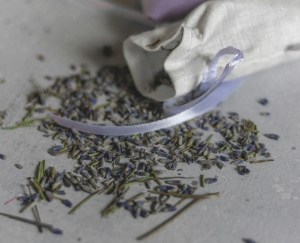
It hadn’t quite hit me that the situations paralleled each other until I had dragged myself out with my husband to do some much needed grocery shopping. We stopped by a new produce store we’d never visited before and wandered in. And as I passed their aromatherapy section (yes, it was THAT kind of store), I was hit by an amazing mingling of essential oil scents that gave off dreamy yoga studio vibes.
I stopped to absorb the scent and that sensation, and it brought back memories of yoga training and the peace that I felt from being in that environment. Soothed, grounded, spirited away.
Standing there, I was still not feeling well, but I felt nurtured. That sense of calm brought awareness to the sensations in my body. It was clear that I wasn’t showing myself the respect that I deserved. That was when I realized that I needed to allow myself the time to be sick so that I could find the opportunity to recover.
One delightful little trigger brought on a sweeping wave of pleasant memories, and a reminder that even after all these years, I need to do a better job of taking care of myself.
I spent the rest of the weekend doing that.








 Frantic Shanti