5-Minute Meditation: Lovingkindness with Jon Kabat-Zinn [VIDEO]

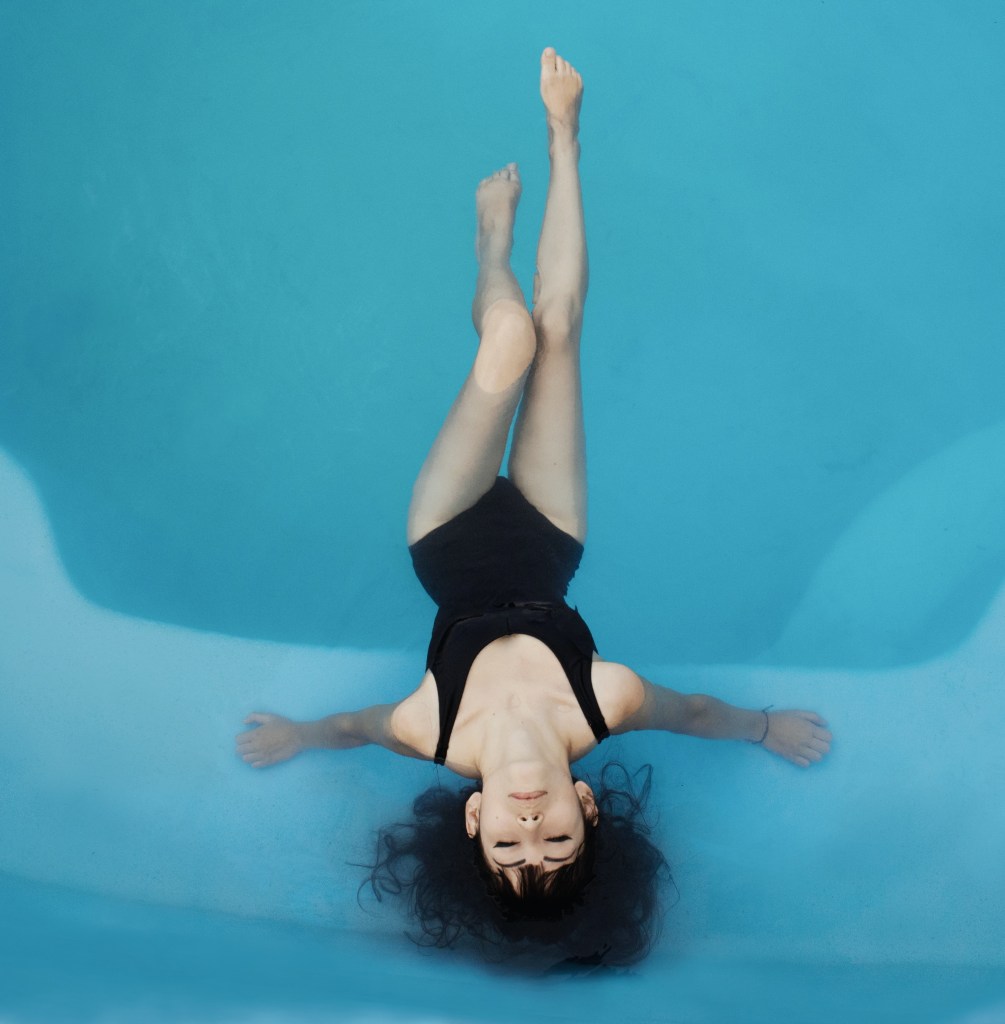
(Title image: Photo by Mei-Ling Mirow on Unsplash)

Since we’re in the season of gratitude and mindfulness, it’s a great time to post about Dr. Jon Kabat-Zinn, Professor Emeritus of Medicine of the UMass Medical School. Among other things, he is the founder of the Mindfulness-Based Stress Reduction (MBSR) program, which I had the privilege of taking in early 2018.

For this week’s post, I’m including a short, 5-minute guided video meditation by Dr. Kabat-Zinn that was presented as part of his class on MasterClass.com (I was fortunate enough to take this class also). While the subscription to MasterClass is somewhat pricey, the meditation below is free.

The video requires little time investment and will pay back rewards in spades. I hope you enjoy!

This is a beautiful mindfulness meditation for right now.

There are a number of other meditations and talks by him available on YouTube. If you currently don’t have a mindfulness meditation practice, I encourage you to give yourself a gift by looking him up. His videos are the perfect place to start.

Two Anxieties but One Breath

So, something occurred to me as I was dealing with stress about a work project…and then got news of changes that may require us to quickly move from the place in which we’ve lived for over ten years.

I am experiencing two different textures of anxieties. I’ve heard people discuss chronic and acute anxiety, but I would characterize the way I experience anxiety differently.

The first anxiety may wear you down but won’t require a complete change in your life.
Photo by Aiony Haust on Unsplash

The first is anxiety about what may happen or anxiety about what has taken place in the past and I can’t change. That encompasses stressful events that you need to work through, like a job-related project, which requires holding on and managing. It’s more of a chronic type of stress even though it might be time-limited. There are things out of my control or, in the case or what has already taken place, there’s no going back. It doesn’t qualify as life-changing as it may intensify and relax depending on conditions.

The second, however, is anxiety about something that *is* life changing. Those of us who have been handed a cancer diagnosis know what it feels like. It means that the future will look dramatically different from what we expected it be. Other examples are a death of a loved one or losing everything in a natural disaster. A sudden involuntary change in your living situation. This requires letting go and radically recalculating what you’ve become very used to. It can be very difficult to do, especially for those of us who like stability in our lives.

The first anxiety is exhausting. The second is terrifying. Having experienced both, I can definitively state that the first anxiety pales in comparison to the second. In fact, in the face of the second anxiety we may actually let go of the first completely and wonder why it ever bothered us.

The second anxiety is more intense and will alter life as you currently know it.
Photo by Ann on Unsplash

At the same time, as terrible as it may be, the second anxiety offers us a perspective and clarity that we would be hard pressed to accept as quickly any other way.

I do not wish either of these anxieties on anyone, but if there’s a bright side to them it’s that the same type of mindfulness practice that helps us deal with the anxiety of the first kind will also help when the expectation-smashing heaviness of the second anxiety hits.

Although you may still wake in the middle of the night, heart racing and wishing things had not changed, a consistent mindfulness meditation practice will provide you with the tools to smooth the jagged edges of rumination and fear, slowing the breathing and with it the heart rate, even in the presence of frightening thoughts.

~~~~~~~~~~~~~~~~~~~~~~~

Of course, since this is a mindfulness blog in addition to being cancer-related, I cannot resist talking about one of the most effective techniques that I’ve found for calming myself: belly breathing.

Start by simply breathing deeply into the belly, as anxiety often results in shallow breaths. The deeper the inhale, the more air you will have for the exhale – try matching inhales and exhales in length. It won’t happen immediately. Give it time.

Create a breathing cycle and keep going. Establish a breathing practice and stick with it.
Photo by Brett Jordan on Unsplash

Keep breathing into the belly, fully engaging the diaphragm, allowing it to drop and make space for your lungs.

As you do this, focus on the breath. The uncalm thoughts can still be there, but gently allow them to sit on the sidelines for now. I used to try to completely push them away, but they would bob back up to the surface like a balloon pulled under water, bringing the intensity of my anxiety back with it.

So let them be there…keep one eye on them if necessary but give your breath the main stage.

Once the inhales and exhales have evened out in length, insert a short pause between them. Breathe in … pause … breathe out … pause. Just a little stop to elongate the cycle. Consistently breathing into your belly.

Transition to full box breathing, where the inhales, exhales and pauses are all equal in length. If you get very comfortable doing this, for a little extra, try to make the exhales just a touch longer than the inhales.

Or if it gets tiring, simply try to make your exhales a little bit longer than your inhales and dispense with the pauses altogether.

Maintain this type of soothing, intentional breathing for a few minutes or longer, depending on how your body is responding or what your nervous system needs today.

Truly, you don’t have to do this perfectly or adhere to a specific count. Simply focusing on your breath and slowing your breathing will help immeasureably in making space for your thoughts so that you can back away a bit and survey the scene without feeling claustrophobic, no matter which anxiety you’re dealing with at the moment.

In the Midst of “Breast Cancer Pink”, Finding Stillness: A Meditation

As you’re probably aware by now, October is Breast Cancer Awareness Month. For breast cancer patients and recent survivors, seeing all that pink around can be a little stressful.

Yes, it’s important to maintain awareness that 1 out of 8 women in the United States will be diagnosed with breast cancer at some point in their lives. Those of us who have already been…well, it would be nice to forget about it once in a while.

One out of 8 is a lot of pink!
(Photo by Pawel Czerwinski on Unsplash)

So for this post, I want to offer you a very simple meditation. No prep needed.

Pause where you are right now and become still. Right where you are.

Notice how your body feels in the space that you’re inhabiting. What sensations do you feel most strongly?

The expansion and contraction of your ribcage with your breath?

The contact points of your body on the surface where it rests?

Perhaps a pesky little ache somewhere, in your joints, muscles or around an incision?

Tingling in your fingers or toes?

Are you gripping anywhere? If you notice tension somewhere in your body, very very slowly see if you can soften it. It’s okay if it doesn’t release completely – imagine that part becoming heavy and pliable.

And then see what other physical sensations make themselves known to you.

Stay with your body. There might be a lot going on in your mind right now, but that’s “up there” in your head.

Here. Stay down here.
(Photo by Tim Mossholder on Unsplash)

We are down here in your physical being. Feel the stillness that exists here, not agitated by your thoughts. It’s okay if there’s noise in your mind, like if you lived on the floor below a bustling office. All those workers up there, getting their stuff done.

You can hear them, moving about, speaking in muffled tones, keeping busy. That’s all okay. They can be there.

But we’re all hanging out in stillness down below, with distance between what’s going on here and what’s happening elsewhere. We have space.

How does it feel knowing that you have permission to be still? That you don’t need to drop everything and dash upstairs? The thoughts can wait. They’re not going anywhere. You have time.

Eventually, you’ll return to the hustle and bustle up there. But know that you can always take a break, come down into your body and sit in the stillness that is here.

~~~~~~~~~~~~~~~~~~~~~~~~~~~~

This October in particular is very busy for me. A big project at work, the holidays around the corner, prepping for guests while our apartment STILL awaits repairs. And then strange guilt that I’m not doing more yoga teaching. It’s a lot to manage in my head, all this piling on of responsibilities.

So that meditation up ^^^ there? Yeah, I needed that. ❤

Mindfulness 101: You’ve Got Options!

It’s been a long work day so this post has a simple message: you have options in practicing mindfulness meditation. And then for good measure, at the end I toss in an article about other meditation practices you can try.

In a nutshell, mindfulness meditation is the process of noticing your thoughts (“awareness”) and observing them without judgment (“acceptance”). It often involves an anchor, such as the sensation of the breath or a constant sound in the background, that the meditator focuses on for the purpose of grounding and staying present. The anchor is what we return to after we realize we’ve been pulled away by thoughts.

The anchor to presence is what we return to after we find ourselves carried away by thoughts.

This way we explore the concept of impermanence as it relates to life and our own situation. Everything is in flux. Negative experiences pass, positive experiences pass and we move through it all. The more we practice, the more we are able to notice the ups and downs without being as affected by them.

In the same way, I consider mindfulness meditation to be fluid without rigid rules. For example, you do *not* have to be seated in Lotus pose with your hand on your heart. You do not need a special cushion, outfit or music. There are no specific words to recite or candles to light. However, you are welcome to do all of these.

Lying down, seated on a chair, leaning against a tree or riding a crowded bus holding on to a strap are all viable positions. Eyes open, closed or half-shut. Paying attention to bird songs, a light rain, a washing machine or cars whooshing down the road, all good. In the early morning, during a work break, when the kids are napping or when you’re settling in for the evening are all ideal opportunites.

You don’t have to be in a specific location in order to practice mindfulness meditation, although admittedly some places come with a better view than others.

Even carelessly sprawled out on your bed, noticing how it feels to do that, no matter how dorky you think you look. Mindfulness doesn’t judge.

All of these are good conditions under which to practice mindfulness meditation and that is one of the things that I feel makes it an ideal meditation starting point.

As you continue to practice, you develop a tool with which to nurture a sense of peace and calm down a busy mind. It is a tool that you can take with you no matter where you go, like a little gift for yourself that you keep in your pocket, bringing it out whenever there is a need.

And since we’re talking “meditation options”…

I’ll finish up by noting that just as there are different ways to engage in mindfulness meditation, there are a number of other meditations that you can try if you want some variety.

For that, I’m going to punt you over to an article on the website Healthline, written by Holly J. Bertone, CNHP, PMP, and Crystal Hoshaw, entitled, “Which Type of Meditation Is Right for Me?” I really liked the information mentioned here, including the nine types of meditation that they describe:

  • mindfulness meditation
  • spiritual meditation
  • focused meditation
  • movement meditation
  • mantra meditation
  • transcendental meditation
  • progressive relaxation
  • loving-kindness meditation
  • visualization meditation

See the Healthline article for more information.

I do not believe that the above is an exhaustive list by any means, although it is a wonderful place to start if you want to explore other meditative practices. While I feel that mindfulness is one of the most accessible meditations for beginners, if you feel inspired to try something new, there are many options to choose from.

The only thing you “should” do is begin. 🙂

Mindfulness 101: Avoiding Avoidance

There is, unfortunately, a trap that some people may fall into when practicing mindfulness meditation.

In the context of selecting a point of focus that anchors you into the present, there is that teensy possibility that someone just starting out with meditation might focus without equanimity.

Equanimity is the ability to maintain balance and a sense of calm in both good and bad situations. It is the acceptance that impermanence and suffering are a part of life, and it is the state of allowing all feelings to pass through you, observing them without judgement or expectations brought on by previous experiences.

Equanimity is being able to allow in both the good and the bad without getting dragged through it.

Allowing emotions in when you’re trying to stay calm and collected might seem a little counter-intuitive, but in fact, I consider it to be to goal of mindfulness meditation. That’s because the most important time to maintain a sense of inner peace is exactly when the proverbial sh!t hits the proverbial fan. Mindfulness meditation provides us with a safe space within which to practice just that.

The tendency, however, is to try to keep difficult emotions out. I myself encounter a lot of resistance when doing guided meditations that focus on bringing up uncomfortable thoughts, particularly in the evening, when I’m most susceptible to anything that might perturb my sleep.

However, not allowing those thoughts in can set up a pattern of avoidance, depriving us of the opportunity to learn to deal with them. And this avoidance can imbue difficult thoughts with even more power, as if they become the boogeyman lurking behind a door that we’re terrified to open. That’s not a good thing.

So how do we get around this?

Pick a good time to explore the stickier side of things; I would caution against the evening, when, as I mentioned above, bringing up tough feelings can agitate you and make it more difficult to fall asleep. Keep the environment quiet, comforting and safe, with gentle music in the background, if that suits you. I like mid-morning time and natural light, with a cup of tea or cacao or anything else that feels soothing.

Choose your anchor: your breath, a bodily sensation like tingling in your hands, a constant sound in the the background…even lofi music from YouTube.

If you feel too drifty, keep your eyes open to help ground you. Perhaps focus them on an object that brings you peace, such as the photograph of a loved one or an image of a peaceful place.

Give yourself a calm opportunity to explore complicated emotions.

Breathe deeply and pay attention to gripping or tightness in your body, especially forehead, jaw, neck, shoulders and belly. Consciously release any areas that seem to clench as you go along.

And then allow whatever comes up to come up. Observe them…and then let them go. No need to analyze or justify. Imagine that you’re made of Teflon and those uncomfortable images slide off you.

If needed, sit further away from them. When the intensity gets too high, you might need space, so imagine that they are flowing past as if you’re on the bank of a river and they are the leaves that float by on the surface of the water. They come and they go and you breathe deeply through it all.

As you practice, maintain your focus the best that you can. The point of your focus is not the thoughts, it’s the breath or whatever other anchor you might have chosen. This way, the thoughts move independently and subside as smoothly as they appeared. If you find yourself getting stuck, return to your anchor and remind yourself that in this moment, you are safe.

IMPORTANT: If your thoughts are tied to trauma or the intensity seems unbearable, please seek out the help of someone professionally qualified to help you deal with them. Mindfulness meditation is a wonderful tool, but sometimes it’s not enough.

Sinking into the Depths, but in a Good Way: A Meditation Visualization

As I return to really sinking down into my meditation practice, I am reminded of what I’ve been missing out over the past few months when my practice gradually changed and “shallowed”.

Due to pressures and stressors the start of this year, I had been skittering over the surface of my meditations, much as you would imagine barefoot skiing over the surface of a large body of water, and I use this as a visualization of my experience.

It is not fun trying to keep my head up and focused through my distractions.

Up on the surface, you have wind and waves to contend with. The more time that you spend up on top of the water, the more tumultuous distractions you find there and it becomes more difficult to find a sense of calm. The more you do that, the more it becomes habitual.

But when you stop charging across the surface — resisting the enticing attraction of thoughts — then you find yourself slowly sinking…but in a good way. Thrashing winds disappear, sounds become muffled and fade into the distance, movement slows. The deeper you descend, the more quiet you find there.

There are times that I think I’ve been meditating, only to realize that I’ve floated up to the surface and am actually bobbing around in the choppy waves of my thoughts. That realization comes more quickly the more time I’ve spent in the depths, and when I return to the process of sinking, it feels like such a relief.

The deeper I allow myself to descend, the quieter I become. It becomes less of a struggle to stay down.

I can learn to sit with frightening creatures the way I can learn to sit with unsettling thoughts…and vice versa.

And as I get progressively deeper, light dims. Initially, the darkness felt a little intimidating (I’m not a fan of dark water). But then I remembered, this is my ocean. I decide what dwells in the darkness. I can fill my ocean with fearsome, aggressive creatures — and sometimes I do this — but then because I realize that they are mine, they don’t hurt me and I am able to sit with them peacefully.

What an accurate analogy for our thoughts, no?

In this way I feel my own inner strength and power. The darkness does not have to be frightening — it is a gentle darkness that signals rest, allowing my mind to slow and focus inwards.

If that darkness is too disconcerting to you, imagine that there is a soft blue brightness in the water, illuminating your entire area of vision, and perhaps even an underwater staircase you can use to control your descent. Tweak it however you like so that it fits with your level of comfort.

This visualization is the perfect reminder of how good meditation feels when I don’t get in my way about it. Nothing to do but relax and let myself sink down…

Quitting This Stupid Job…and Going Back to Training

For a number of months now, my meditations have been “sub-par”.

I know I’m not supposed to judge, but objectively I’m aware that I’ve veered off course somewhere. In the past, I’d have good days and bad days, transcendent meditation sessions and really distracted, “no-way-I’m-gonna-focus” ones. But that was okay, because a large part of mindfulness meditation is coming back to the breath AFTER losing focus.

Rabbit holes are very enticing places to disappear into.

This has been a little different.

It started with a few weeks of distractibility as I was navigating stressors in the early months of this year. But gradually, things went downhill until I seemed to make it my job to use meditation time to go down rabbit holes.

Maybe I was too tired, meditating in the evening before bed or when I woke in the middle of the night and couldn’t sleep, so I didn’t check my wandering mind because I was dozing off.

If I had music in the background, my mind would dance off in a tangent and I wasn’t meditating anymore, forgetting that this was a time for calm and presence.

I’d get lost during my meditation with little hope of finding my way back on the path that I was on.

So I’d start a guided meditation — listening to someone’s voice would keep me on track, right? Nope. My ability to allow that voice to fade into the background was nothing short of impressive.

Day after day, I had dutifully taken on the task of wandering way off my meditation path until I realized that I was going nowhere and it was time to quit the restlessness and stay still for a while.

Even after years of daily meditations, I had to re-learn the habit of staying… because over the past few months, I’ve established a new habit of not coming back to my center regularly enough. And this new habit of spending my session mindlessly had managed to supplant my previous meditation flow.

So here we go again: setting aside some quiet time when I’m not particularly sleepy, finding an anchor like the breath to focus on in a patient, non-gripping manner, maintaining a gentle awareness of where my mind is, and when it inevitably wanders away from my point of focus (which it always will), calmly guiding it back.

Going back and consciously setting an anchor again. And enjoying that comfortable feeling of being present and aware of this very second.

When the breath seems like a boring place to drop my anchor, I turn to the sensations in my hands and feet (particulary useful when I’m stressed) or the sounds of automobile traffic outside ebbing and flowing or opening my awareness to all my senses and accepting whatever shows up. My focus is on the present and that’s where I aim to keep it.

So it’s true, that old “muscle memory” is bringing back my meditation practice and strengthening it as it does so. This serves as a good reminder to not get complacent, calling myself a “meditator” and throwing around stats like how many days in a row I’ve been meditating. In the end, the important thing is not my meditation streak, it’s the fact that today I will choose to meditate again.

Putting Pen to Paper for the Ultimate Mental Vacation

When I wrote my last post — a visualization and body scan for helping calm yourself and prepare for sleep — I knew I would enjoy immersing myself in describing a space that felt safe to me.

But what I didn’t expect was the effect that the actual process of writing the visualization would have on me.

As I continued describing the “healing bath” scene, searching for reference pictures and letting my imagination create a restful place, I realized that I myself was feeling more and more relaxed — breathing slower and experiencing a sense of placid grounding.

This got me thinking.

Beautiful journals may be appealing to some. But making use of technology in searching for images and recording your words provides you with the most flexibility for documenting ideas and bringing in visual aids…without risking writer’s cramp.

While there is no doubt that listening to a guided meditation can be very soothing, sitting down and writing one yourself takes you to another level. This is an exercise in finding what the most salient relaxing cues are for you personally.

Immersing yourself in locating photographs of environments that you consider your ideal for a retreat getaway helps you isolate those elements that exemplify what relaxation and grounding mean to you. I highly recommend sites like Pinterest for this; if you’re not interested creating an account there, just start out with Google image searches and see where they lead.

And when you start writing, turning your focus towards describing the scene that you’re imagining means that you are truly “in it” in your mind. As you write about sights, smells, sounds, textures and other sensations, and hold them in your imagination, you sink deeper into them than you might even in a meditation where someone else is describing the surroundings to you.

It’s your writing and therefore everything you select is your choice, suited to your tastes. There’s no need to use complicated language, simply tune in to your mind’s eye and write what you see. Because this is for you alone, there’s no requirement that it be a complete representation of your safe space and no need to judge the quality of your mental picture. There only has to be enough imagery there to trigger the wonderful feeling of peace and calm that you have when you’re there. However, the more descriptive you can be, the better you can lock in the imagery.

Not a scribe? An oral description of your special place can be just as immersive as writing it out. And if you feel so inclined, recording it for yourself can help you preserve the images to return to at a later time.

Finally, each one of us has different experiences with putting words on a page. If you feel that being required to write out your thoughts will be frustrating, then find a quiet space where you have privacy, close your eyes and audibly describe your safe space, perhaps even record it. Imagine that you’re moving through it and explain to yourself what’s there and how it makes you feel.

Whether you choose to write or speak, the reason this can be such a powerful tool is because you focus on something that feels so relaxing. This may turn out to be the ultimate grounding meditation for you.

Give it a try and see where it takes you.

“Healing Bath”: A Body Scan with Visualizations

As a visual person, I have days when my “mind’s eye” has difficulty focusing during meditations. For those times, listening to guided visualizations is my best option for a calming tool.

Additionally, body scans are excellent pre-bedtime wind-downs. So when I recently heard of a great visualization that includes a body scan, I wanted to share it here.

Your private pool can be anywhere you want, even indoors. Source: https://pin.it/4UeEa1U

This one is based on a “healing bath” visualization that was presented by an MSW/Oncological Therapist who leads Friday morning meditation at my cancer center. Putting the focus on vivid visuals and including your other senses fills your awareness with rich imagery that works so well to soothe an overworked nervous system. While this will not be an auditory experience, use your imagination as you read this to paint yourself a picture of a safe, soothing space that you will remember.

Here’s the basic imagery (add details that resonate with you): you arrive at a beautiful natural location, walking down a path surrounded by lush greenery, wearing a luxurious fluffy robe and cushy slippers. As you follow the path, flowery fragrances waft on a gentle breeze that carries bird songs to you. The sun is at a height most soothing for you; for me, it is early morning with a mist in the air. Bright enough to see everything, but imparting a feeling of safety and privacy.

As you continue down the path, it opens up into a small secluded beach with a round pool of water, clear and sparkling; part natural pond and part constructed, with beautiful white stone steps leading into it. Surrounded by flowering plants, it invites you in.

Create a secluded place for yourself. Source: https://pin.it/3j88oEw

You feel the sensation of the fluffy robe and slippers sliding off of you as you leave these items by the entrance to the steps. Then, you dip the toes of one foot into the water and find that the temperature is perfect for you. Notice the sensation of the warm water as you step onto the stone stairs with both feet, holding onto a sturdy railing. You stand up to your ankles in the pool and sense the difference in the temperature between the misty air and inviting water.

Take two more steps down and the water slides up to your calves, soothing your lower leg muscles. Then step further in as the water line slowly travels up past your knees and halfway up your thighs, so that most of your legs are submerged in the placid, warm pool, now feeling more like a bath.

The bottom of the pool is easily visible through the clear water. Unhurriedly, take a few more steps down as your toes reach the white sandy pool floor and the water rises up to your waist, enveloping your lower body in warmth.

Feel the gentle support of the water.

By one side of the pool is a smooth sculpted stone bench to which you glide, feeling the slip of the water against your skin as you move, drawing the tips of your fingers across the pool’s surface, leaving gentle streaks as you go.

As you lower yourself onto the seat, sense the warmth rise up your torso and arms, traveling up as you settle down. The bench is deep enough for your body to submerge but comfortably keep your head out of the water.

The soothing water supports you as the seat cradles your body. Rest your head on the side of the pool – the edge is sloped and comfortable. Then listen. What do you hear? Sweet songs of birds? The meditative buzz of gentle honeybees that flit among the flowers? Waves on a faraway beach?

Can you smell the fragrances of the flowering plants that surround you? As you breathe, as your chest rises and falls, feel the water glide around you. Warm, secure, safe, secluded. This pool is whatever you need it to be for you to feel nurtured and loved.

As evening falls, lights illuminate the pool. Source: https://pin.it/2KpwRO8

Stay here for as long as you like, watching light sparkle on the surface of the water. If you stay until evening, warm lighting illuminates the pool and surrounding plants, dispersing dark shadows and bringing a sleepy tranquility into the area.

Finally, when it’s time to return to present world, lift yourself out of your seat and glide back to the stairs, keeping yourself submerged to your shoulders until you take a hold of the handrail. Slowly, slowly release yourself from the pool, noticing the sensation of air on your skin as you emerge, feeling the waterline move down your body as you climb the steps.

With the final step, you leave the pool and take up the fluffy, soft robe waiting for you, wrapping yourself in it. Slip your feet into the cozy slippers. Your body dries quickly. Make your way up the path. And although you leave this magical space behind, it is always available for you whenever you want to return.

~~~~~~~~~~~~~~~~~~~~~~~~~~~~~~~~~~~

If you are uncomfortable with water or if the visualization keeps bringing in disturbing images such as a very deep pool, dark water or something foreboding lurking underneath the surface, or it feels constrictive or claustrophobic, substitute a sparkling mist or a golden light for the water. You can still feel the body sensations as you enter into the pool. There are no rules here, it is your safe space and you can set it up as you please.

Finally, to bring this from a visualization into reality, create a real-life pool for yourself in your bath, with ample tealights, a soundtrack of nature sounds or gentle music and water temperature that is right for you. Feel your arms and legs float, prop up your head with a towel on the side of the tub. Breathe deeply. This is a perfect way to end the day and prepare yourself for a restful slumber.

Can Meditation Fight Cancer?

While it seems like a pretty fantastical concept, a group at the University of California San Diego just received a five-year, $10M grant to examine just that.

Specifically, the InnerScience Research Fund will support ongoing research at UC San Diego’s School of Medicine to determine the biological effects of meditation. Researchers led by Dr. Hemal H. Patel (Dept. of Anesthesiology) are exploring whether meditation can modulate the progression of serious illnesses.

From the UC San Diego Today press release (May 16, 2023):

Researchers are gathering a variety of information from a large group of participants.

“As part of a continuing study entitled “QUest to ANalyze a Thousand hUmans Meditating,” or QUANTUM, Patel and his team are assessing the impact of meditation on nearly 2,000 individuals undergoing intensive meditative experiences. The goal is to capture a depth of unbiased information from a large cohort of healthy and non-healthy individuals to gain insights into the impact of meditation.”

Study participants are contributing a plethora of biometric data obtained via wearable technology, “including heart rate, heart rate variability, sleep, activity and more. That data is then coupled with health survey results and “omic” studies being conducted on blood, microbiome, urine and tears.” Brain activity has also been measured and analyzed.

Perhaps the most unexpected statement in the entire press release was the following: “Early analysis is showing promising results from meditation in impeding serious illnesses such as cancer.”

This is quite an announcement coming from a highly-respected research institution, so I am particulary intrigued.

It would be wonderful to find that the benefits of meditation go far beyond improving one’s sense of calm — lotus position optional!

On the one hand, it’s not difficult to believe that harnessing the mind through meditation could have a dramatically positive impact on one’s health. As I reported in an older post, researchers have elucidated the biochemical pathway by which stress can lead to cancer recurrence in breast cancer survivors. So if we’re able to do the opposite–inviting in a sense of peace and keeping stress at bay–it stands to reason that we affect disease progression. After all, we’ve known for a long time about the benefits of meditation on one’s mental well-being, why not one’s physical health too?

On the other hand, it’s important to understand that meditation alone should not be considered a treatment or cure for cancer. But as my last post on complementary medicine pointed out, cancer patients are increasingly turning to practices such as meditation to help them navigate the cancer experience as they undergo conventional treatment. The added benefits of helping halt the proliferation of a tumor would make meditation an important adjuvant therapy.

This is one story that I will be keeping a close eye on!