“Detached”: Time-Out in Third-Person

As an addendum to my post where I wrote about using third-person language in meditation to help keep distance between yourself and your thoughts, I wanted to revisit this method for everyday life.

While in that post I alluded to using third-person descriptions on stressful days, it’s really worth emphasizing the utility of creating space throughout the day.

To sum up that post, I mentioned a mindfulness technique suggested by meditation teacher Jeff Warren in which when we find ourselves being swept away in thought, we describe what’s happening in “third-person” language and play the role of an observer.

Observe…make space…gain perspective.

But as I said in that post, why limit that to meditation sessions? In fact, you could argue that it is even more important to bring that type of gentle detachment to the things that ordinarily set us off in our daily lives, whether it be with family, at work or anywhere.

I would say that so much of my anxiety has stemmed from an inability to maintain perspective about the trigger. Noticing when I’m getting carried away and then describing the situation as something that is happening to another person — similar to the way a newcaster might report on an event in a calm, informative manner — helps loosen its grip on me.

The ability to step back and detach from the situation is kind of the name of the game in terms of reducing stress levels, isn’t it?

By narrating the circumstances around your stressors, we make space: “FranticShanti felt a little ill when she saw that the letter in her mailbox was from her landlady. She expected this to be about a rent increase…and she was right. Another $200 per month.”

Third-person language gives us the space we need to tackle our stressors without getting pulled into them.

That telling offers some space. It doesn’t change the situation, simply presents what’s happening in an unemotional manner. Then following up with some trouble-shooting helps soothe my agitation: “This will require a review of her finances, but as she calculated with last year’s rent increase, she can still absorb this additional amount. Things will probably be okay. She takes some deep breaths and feels into her hands and feet.”

Not only can you calmly describe the situation, but you can describe yourself engaging in self-soothing techniques as you work out your next steps.

It is quite effective in slowing down racing thoughts, particularly if you’re in a place where you can speak out load, as hearing yourself describing things can be even more grounding.

As with other simple grounding techniques, this may seem a little contrived or simplistic, but it might be just enough to bring you out of your head and into the here and now — cool, calm and collected.

Such a Fragile Life

I’m not going to post the post I’d written for today.

Something else came up and it really made me think about how we are teetering on a slim ledge between “everything’s ok” and “the end is near”.

Last Wednesday, I cut the inside of the roof of my mouth in the soft palate. Or maybe it was a burn? I didn’t pay much attention to it because this happens from time to time, it’s not that big a deal and it seems to heal quickly.

Except this time it didn’t. Granted, I ignored it a tad too much and wasn’t as careful as I should have been about what I was eating. I felt loose skin rub off around that area.

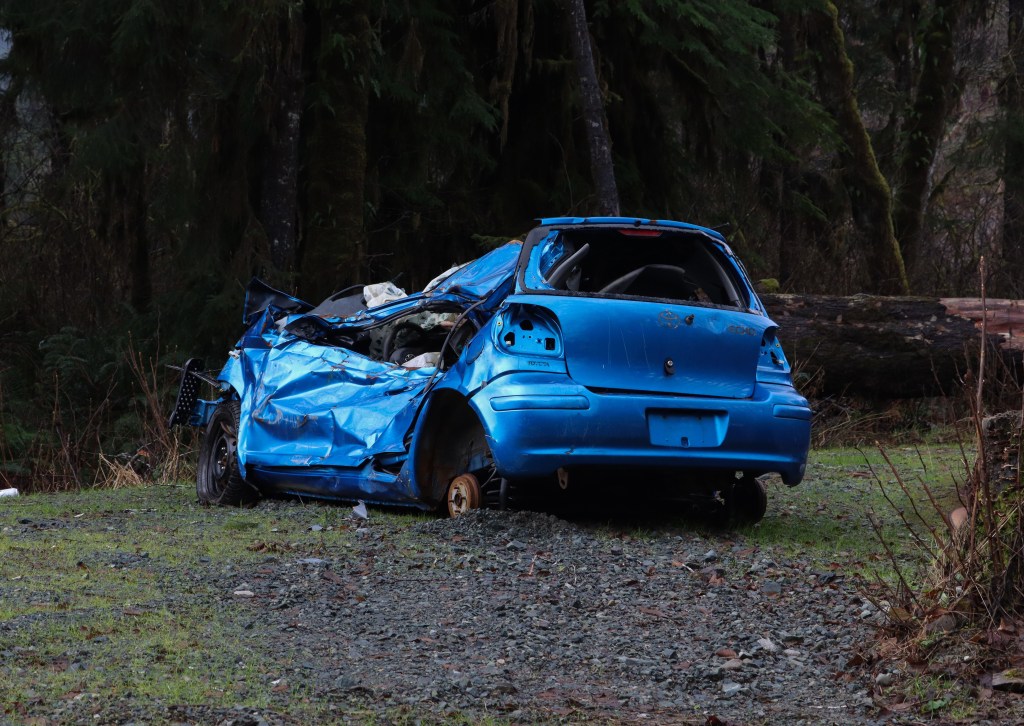
In a second, everything can change. [Note: this is not my car.]

It started hurting more and eating became more painful. At night, my mouth dries out even when I’m sleeping with closed lips. My tongue feels like sandpaper against my palate and because of where the wound was, my tongue was irritating it.

Friday, I realized that if I spoke a lot without a break, my tongue would abrade that sore area even more. Saturday, I told myself that I should be doing warm salt water rinses, but kept forgetting to do so.

Sunday, my head hurt upon waking although the area felt kind of better? But when I tried eating and drinking as normal (albeit avoiding that side of the mouth), the pain seemed worse.

Or maybe it was my perception of that pain? For me, it’s so hard to tell. I vacillate between ignoring a dangerous situation and imagining the possible worst; it feels like I could talk myself into/out of anything.

Before I was diagnosed with breast cancer, I had been aware of the lump in my breast for six months, but kept telling myself not to freak out and that it would probably go away on its own.

Maybe it’s really bad, maybe it’s not bad at all…I dunno…

Spoiler: it didn’t, and although the tumor was still Stage I-sized when I finally went to the doctor half a year later, it had already invaded the tissue outside the milk duct in which it originated. [To be fair to myself, there was more to that decision, which I won’t go into here. I wasn’t a total idiot about it.]

And then after completing all of my chemo rounds, one of my fingernails looked like it had a bubble underneath it…which I ignored for several days (actually, it became impossible to ignore because the pain was increasing), figuring I’d wait because it was probably just my nail coming off, which sometimes happens with chemo.

Except that it wasn’t. It was an infection. But instead of going to the ER immediately, I waited another night because it was the weekend and I figured I’d call my oncologist in the morning.

That night was worse than any night of my life. I barely slept because my hand was on fire and in the morning there was red line running down from my finger into my wrist.

At that point, I was probably closer to death than I had been throughout my entire cancer experience.

My point is, I was able to “reason away” any immediate responses and ignore striking red flags for fear of blowing things out of proportion. I didn’t want to look like a hypochondriac. It was hard for me to fathom that the situation was as dangerous as it ended up being.

Here for only who knows how long…

But our lives are really so fragile. After going through cancer, I realized that something could be going on inside my body, silently, that could change me irreparably — even kill me — within a very short period of time. And it could be happening right now.

What a tenuous hold we have on our existence here. How often do we forget that? And why aren’t we more careful with ourselves?

Such a short tenure on this Earth. Where do we put our energy? Too many spend so much time being horrible to each other and the world around us. And most of us don’t appreciate what we have until it’s too late. Some of us never appreciate it at all.

Take a deep breath, hug the ones you love (that should include yourself) and enjoy this moment.

I’m going to go rinse with salt water…

~~~~~~~~~~~~~~~~~~~~~~

A little update: I made a doctor’s appointment for early tomorrow morning, after which I realized — through diligent image googling — that I probably had a massive canker sore. It’s not likely to kill me but it’s doing a good job making me miserable.

And if I’m wrong and it’s something worse…then that’ll be next week’s post.

Creating Space with Third-Person Language

I’ve had some up-and-down weeks this year and have been working on making space in my head to lessen the impact of anxious thoughts.

I recently heard a wonderful suggestion by meditation teacher Jeff Warren (via his Daily Trip on the Calm app) about creating more mental room for yourself. He encourages describing what’s happening in the third person when thoughts come up during meditation.

Like many suggestions to help with mindfulness, this seems surprisingly simple, but so far I and everyone else I’ve recommended it to have found it to be very effective.

Making space is good for more than avoiding viruses…

It goes like this: I am sitting in meditation focused on my breath (or any other chosen anchor) and a thought pops into my mind. I say to myself, “There goes FranticShanti thinking about X topic again”.

Suddenly I feel a *whoosh* as I’m pulled back out of that scenario. And instead, I’m observing myself having that thought. Hearing myself describe the situation as a bystander has a calming effect and creates a sensation of safety and distance.

I’m still staying present and noticing what’s going on around me, but recognizing that this thought is happening to the person who is known as me — instead of allowing myself to get sucked into it, along with all the associated emotions — expands the amount of mental space I have.

It’s kind of like looking through a window at a situation instead of being there in the room with it. Not nearly as scary or immersive.

Looking at things through a protective buffer makes even scary situations less threatening.

Likewise, throughout the day, describing a stressful situation in third person helps us remember that there is always space around us that can serve as a buffer from unsettling thoughts. It can even help us handle anxiety-provoking situations as it also provides an opportunity to describe a potential ‘solution’, as if you were to give a friend some advice on how to deal with it.

Imagine saying, “[Your name] just realized that there’s a deadline they forgot about, so they’re reshuffling their schedule to accommodate the task.” That’s much more productive and grounding than screaming, “AAAAAAAAIIIIIIIEEEEE!!!” in your head.

So, I’ve started using this in everyday interactions when I feel myself getting swept away by worries. It’s been an effective way of bringing myself back into the present, to what is real and actually here, and it serves to reframe what is going on in my life.

This sort of method brings stressors down to a manageable level, allowing for perspective. And we can all use a bit of that.

Fighting Depression with Exercise

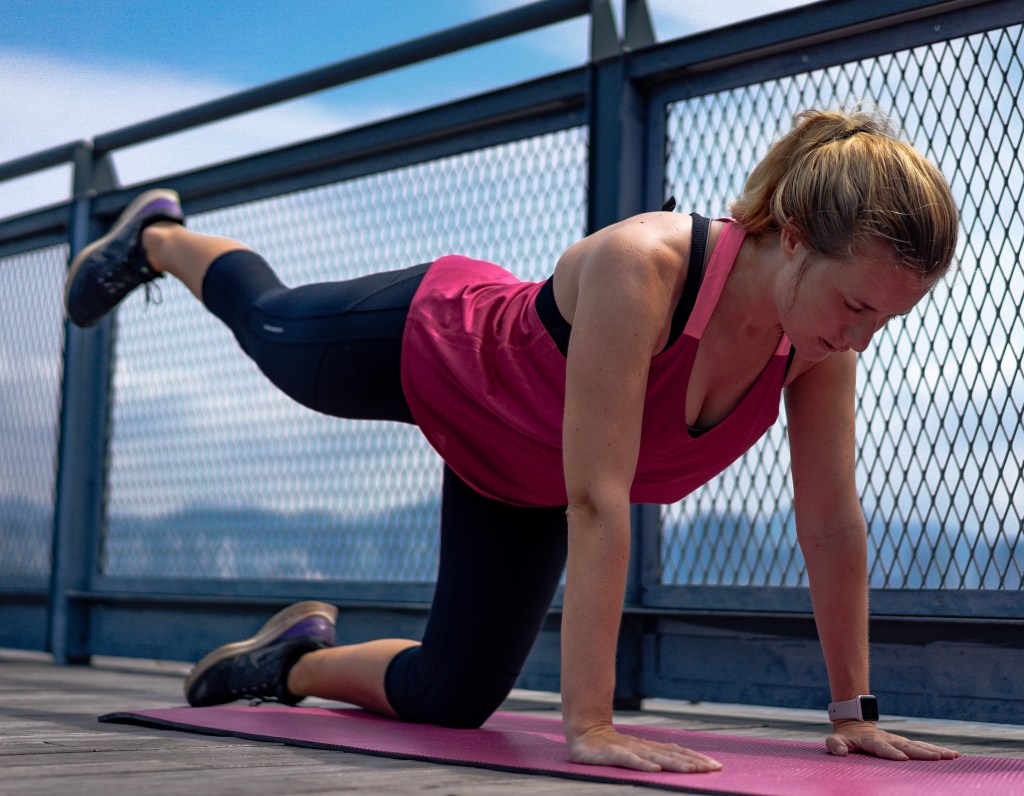
If you’ve hung around this blog for a while, you know that I am a firm believer that exercise will make just about anything better.

That was certainly the experience I had with cancer, as maintaining my fitness was critical to lifting my spirits. A nice workout was the best way for me to shake off the remaining side effects of a chemo infusion.

Moving makes you feel better.

That’s why I’m not completely surprised that a group of researchers (Heissel et al., 2023, Br J Sports Med) are suggesting, based on a meta-analysis of 41 studies comprised of a total of 2264 participants, that exercise be used as a primary treatment for depression. That means they feel the results of their research demonstrated exercise to be just as effective as psychotherapy and medication.

The study authors conclude boldy, “Exercise is efficacious in treating depression and depressive symptoms and should be offered as an evidence-based treatment option focusing on supervised and group exercise with moderate intensity and aerobic exercise regimes.” [Emphasis mine]

However, while no one is arguing against the importance of exercise in helping individuals treat their depression, an article appearing in The Washington Post cites other researchers who feel that it may be premature to use exercise as a primary treatment for people suffering from clinical depression and suggest that additional studies should be conducted.

More research needs to be done to determine the specifics of how to use exercise to lift depression.

In particular, as a meta-analysis, although the total number of research participants was large (2,264), the individual studies on which the analysis was based tended to have smaller participant sizes, due in no small part to the fact that running studies like this can be costly.

There are still a number of questions that need to be addressed, such as exercise type, frequency, intensity and amount. Depression is different for everyone both in scope and origin, and an “exercise prescription” should be personalized for the individual. Still, no one is disupting that any form or length of exercise is far better than doing nothing.

In light of these results, what should you do?

Do the type of exercise you enjoy. The best results in this particular meta-analysis were obtained from moderate intensity exercise, although intense exercise was still beneficial, and benefits were also gained from even light exercise. Avoiding sedentary behavior was key.

If you’re just starting out, find a simple exercise that you’ll enjoy doing and will look forward to.

My personal suggestion for anyone who is not currently exercising would be to try to maintain consistency with a simple exercise like brisk walking. If you are able to get outside into nature, perfect! If you’re deadset on bingewatching the latest season of your favorite show and decide to march in place, swinging your arms while you watch, that is great too! It still beats the pants off of crashing out on the couch as the show plays on.

There are many ways to incorporate more movement into your life and also ways to make it pleasant so that you look forward to it. At the least, find a simple exercise that you don’t dread…and then keep doing it. In the meantime, we will await future studies that can offer more insights into the psychological benefits of exercise.

REFERENCES

The Study, a Meta-analysis
Heissel A, et al. (2023) Exercise as medicine for depressive symptoms? A systematic review and meta-analysis with meta-regression. Br J Sports Med. http://dx.doi.org/10.1136/bjsports-2022-106282.

A Reader-friendly Synopsis
Reynolds G (March 15, 2023) The best treatment for depression? It could be exercise. The Washington Post. https://www.washingtonpost.com/wellness/2023/03/15/exercise-depression-benefits/

Again, the Mammogram

It feels like it wasn’t all that long ago that I had my five-year 3-D mammogram…and here I am with my six-year scan.

I’m writing this prior to the scan and will follow up with the results at the end of this post, but I find it useful to write while I am still experiencing the little uncertainties that come with scans. Like a Schroedinger’s-esque situation, I am both a cancer survivor and a cancer patient right now, since no matter how small a chance that another tumor will be found in my breast, survivor and patient are my only two possible modes of existence.

For this short period of time, I’m both survivor and patient.

For my own sake, I try to release all expectations at this time. I don’t want to relax and tell myself that I’m sure that the scan will be clear, because the drop down from that back into “cancer patient” state would be too fast and steep, so I breath deeply and anticipate nothing. But that’s hard to maintain.

At the same time, just a few weeks after seeing my oncologist who skillfully performed a clinical breast exam and found nothing, it’s very unlikely that a mammogram would bring up anything life-changing for me at this time. In fact, if anything were found, it would be a tumor in its nascent stages that would be much easier to treat than the one I had in 2017. Or so I tell myself.

To be frank, it’s not locating another tumor in the breast that constitutes the scariest scary outcome. No, it’s the not finding a tumor in some other part of the body — perhaps a lone sleeper cell that evaded chemotherapy’s effects and circulated through my body before grabbing onto a vital organ and silently beginning to grow.

That’s the real bad news…but it would not be the news I’d get today.

This brings me back to that situation that all cancer survivors face: accepting that there are no guarantees.

The waiting is the hardest part.

For the next hours before my mammogram I will focus on work, think of nothing to do with cancer and take deep conscious breaths. As I sit in the waiting room I will gently distract myself, submit to the squishing of the scan and hang in the stillness of the present moment until I get my response…and hopefully go on for another year. Maybe.

~~~~~~~~~~~~~~~~~~~~~~~~~~

So, I’m back now with the outcome that I was both hoping for and (to be honest) expected: All clear for one more year!

And even though I always play it cool before and during the scan, the difference in my state is really noticible after I get the thumbs-up sign. Those minutes of sitting and waiting for my results [note: as a cancer survivor, I get my answer on the spot, which I really appreciate] are a little uncomfortable — I float, trying to focus on my breathing. But to this day, even when I’m “not expecting bad news”, I cannot shake that tickle of unease.

And that’s just another part of being comfortable with being uncomfortable. Still working on it…

Just One Day

If you had one day to live, how would you live it?

I pondered this question last week as I was trying to calm myself down before teaching my first official public yoga class, while also juggling emotions about certain events at home over which I had no control. Read that as: anxiety.

And in the midst of this all-too-familiar emotional turmoil I felt myself being consumed by my thoughts. And yet, if I had only one day left on this earth, I can’t image that I’d let myself get mired in everyday worries. My perspective would immediately snap into a megawide view of everything that exists in the world.

Never was I so aware of every palm tree…

It would be easier to see the beauty everywhere. Consider this: when I returned to Southern California after four bitterly cold years in a Northern climate, I noticed every.single.palm tree. I was so aware of everything that I had missed during my years away and appreciated every ray of warm sunshine. Other cares temporarily fell away as I was filled with gratitude to be back.

If I had only one day to enjoy the world, I hope that I wouldn’t spend it lamenting over little things. I would sit with my face to the sun, smell the breeze, take deep breaths and appreciate the here and now. Accepting that I had only 24 hours, I imagine that I wouldn’t be ruminating about something a co-worker said to me in passing or how I really should be cleaning the bathroom more often.

So interesting that it would take facing the end of my days to begin truly appreciating them.

So how about this (and this was what I meditated on last week in the midst of nervous feelings), why not imagine the feelings of that last precious day every single day? Stop and feel into my feet on the ground and the air in my lungs. There is so much wonder all around us and what a pity that it takes a drastic event to experience a perspective shift.

It feels so glorious to be alive.

~~~~~~~~~~~~~~~~~~~~~~

Don’t get me wrong, the shock of knowing that your end is near could be devastating. So if you’d like to use this idea as a meditation prompt, perhaps consider if you were on vacation in a paradise-like location and if your plane were leaving in a day, how would you enjoy your remaining time there?

Finally Normal: My Six-Year Oncological Visit

I hit another cancer journey milestone this past week: my six-year oncology appointment.

Like my last few appointments, this one felt commonplace and unintimidating…and if the nurse had let me sit down for a couple of minutes after coming into the exam room, my blood pressure would have been lower. As it was, the reading was not that far from normal.

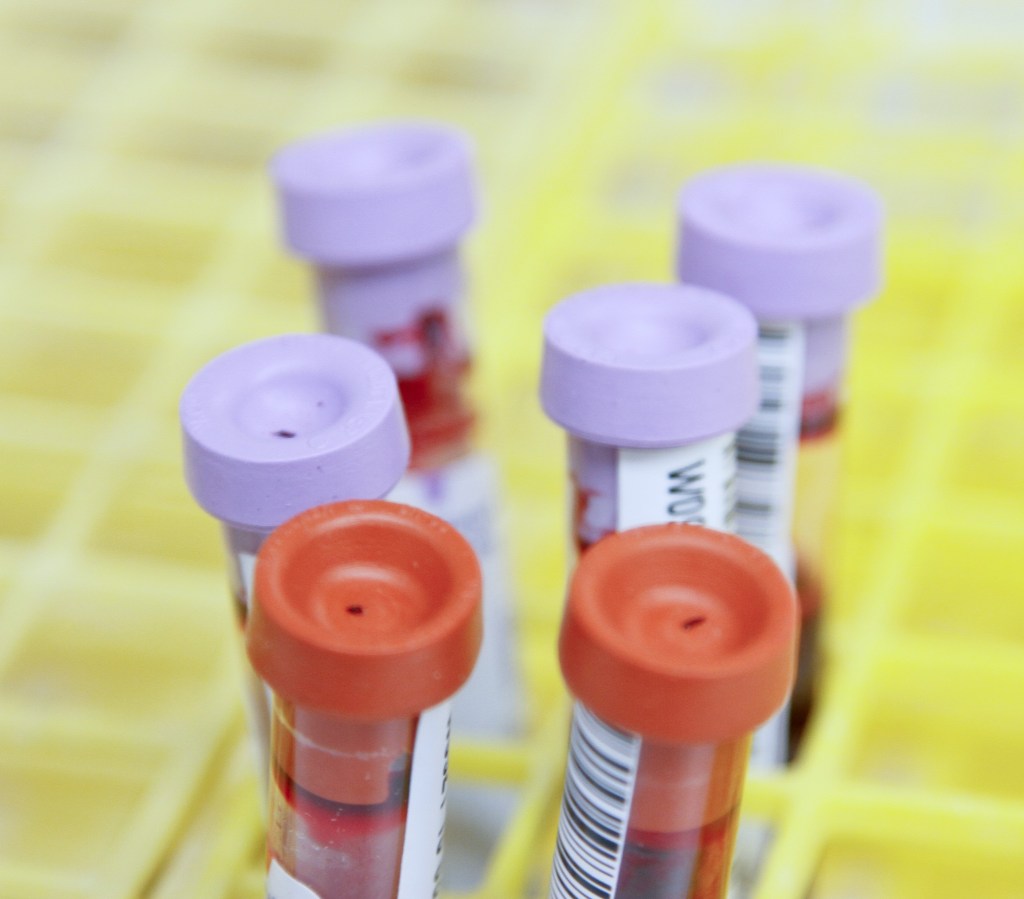
For the first time since cancer, my bloodwork is all normal!!!

One other thing that was strikingly normal: for the first time in six years, since all the cancer madness began, all my bloodwork, both Complete Blood Count (CBC) and Comprehensive Metabolic Profile (CMP), was completely normal. Nothing that would suggest a year’s worth of cancer treatment in the past.

This is so curious because for years, nothing felt normal.

Now everything is.

Ironically, it was my oncologist who was experiencing illness and I had to switch my appointment time so that he could get to his doctor.

I was hit by the realization that everything that had felt out-of-control and hopeless six years ago no longer existed. I was the one who had kept the idea of cancer alive in myself. I still defined myself as a cancer survivor because perhaps I needed some way to justify what I considered to be my shortcomings, as in, “I used to be able to do this, but…”.

This was a battle I fought in but only memories remain. In the present moment, there’s only silence.

Returning to the cancer center for this appointment felt like I was visiting a battlefield from a war that I had fought long ago. The echoes of battle cries…just the wind. The clashing weapons and falling bodies…not there anymore. This may sound like such an overly theatrical description, but that’s exactly what it seemed like.

This doesn’t mean that I’ve got the rest of my life figured out. There are still so many unknowns, including an increased chance of cancer recurrence — and I still need to schedule this year’s mammogram, something else that slipped my mind as I was basking in the idea of being “normal”.

But that tortured soul who, on top of all the other stressful things going on in her life, was hit with a cancer diagnosis…she doesn’t exist anymore. If I’m so unfortunate as to have the cancer come back, she won’t be experiencing the aftermath.

I will. And I feel like I’m so much better equipped to handle all that uncertainty than she ever was.

~~~~~~~~~~~~~~~~~~~~~~

I still call myself a cancer survivor. But it’s only one of a long list of “skills” that I have on my resume.

What Is Self-Talk Telling You?

Last week we had a guest come visit. This was preceded by a flurry of preparation on my part as I caught up on all the cleaning and organizing that I’d been putting off.

And as I was planning out what I was going to tackle on which day, I berated myself for waiting this long to start, thinking that if I’d done more the previous week, I wouldn’t feel so rushed.

So as I pushed through late day fatigue, I realized that there was a soundtrack running through my head. In it, I’m explaining to our guest why there’s still clutter and dust, and what issues I have with where we live that we get a lot of road gunk coming in through the windows. Excuses, explanations…

I always imagine my home as being dirtier than it really is, and it continues that inner narrative in my head that I’m never going to be good enough.

I actually went as far as to text our guest an apology that we didn’t have a nicer place to offer them to sleep. I felt that they should know in advance.

I was getting quite stressed about the whole thing, so I took a moment to ponder what was actually going on.

Yes, keeping a very tidy apartment is difficult when I’m the only one working actively towards maintaining it. Particularly now that my plate feels even fuller as I try to incorporate teaching yoga into my current work schedule…

But that’s not the real issue.

Problem is, I was raised to believe that my home is a reflection of me. My abilities as a housekeeper were practically a moral issue, as allowing in clutter and not keeping up on scrubbing things meant that there was something wrong with me. I was shown examples of other women who seemed to have no problem giving cleaning the priority that it required.

I felt like a failure.

With a guest coming to visit, I realized that no matter what the apartment looked like, I would still fear being judged. And it is that fear of judgement that has followed me through my life, throughout all the ups and downs, cancer and anxiety.

What did I hear from my inner critic? That no matter what I do, it’s still not good enough.

In fact, I have taken a liking to getting things clean and organized, standing back and surveying the work that I’ve accomplished. But that feeling of not being good enough still haunts me, and it’s not like this is a new revelation.

Frankly, I’ve been aware of this for years, especially when I realized that deep down I had viewed getting cancer as a failing, like I had brought it on myself, even though I was doing everything imaginable to live a fit life. So it wasn’t until I turned my attention to my inner critic and listened to what it was telling me that I realized, ah, maybe I wasn’t over all of this just quite yet.

Mindfully allowing that voice in my head to express itself, but without getting sucked into the negativity, offered me insight into those old fears and worries that encrust my mind like mineral deposits on a bathroom faucet. They’re tough and really stuck on there.

Bringing awareness to that negative soundtrack takes some of its punch away, kind of like identifying the monster under the bed and making it sit on the living room couch where I can keep an eye on it.

Yes, it’s still there. But now it’s tamer and eventually I’ll be able to show it out the door.

~~~~~~~~~~~~~~~~~~~~~~

Undoubtedly, negative self-talk can be harmful, but it’s also quite difficult to stop. However, being able to allow yourself the space to examine it and understand its roots is one of the best ways to free yourself of it.

Tall Like a Mountain: A Meditative Visualization

In dealing with anxiety, I’ve come to accept that while fearful thoughts come and go, I remain the same.

Visualizations have been helpful in realizing this. One of my favorites, the one made famous by Jon Kabat-Zinn, PhD — creator of the Mindfulness-Based Stress Reduction (MBSR) program — is the Mountain Meditation, and I value this visualization particularly because it is so meaningful in its description.

For this meditation, you settle into your seat and bring your attention to your body. Scanning your different parts, from your feet to your head. Feeling yourself breathe as you go. No need to change anything; you’re simply noticing sensations.

Imagine your ideal mountain…and then become it.

As you sit with eyes closed, shift your thoughts to a beautiful mountain, tall and stately. Imagine the details about it, it can be whatever kind of mountain you choose. Steep or gently sloping, rocky or carpeted with greenery. Allow the image to form itself: the mountain is stable, majestic and unperturbed regardless of the season or weather.

Then, once you have a clear picture of your mountain…allow yourself to become the mountain, settling into its form and taking on its characteristics. Feel yourself grounded in its stillness.

Sitting as the mountain, imagine the seasonal changes and the different weather that each brings. Through the snow of winter that blankets everything, the spring thaw as nature awakens and buds burst open, the summer teeming with life under the warmth of the sun, and autumn with its changing colors and cooler breezes that move you into a quieter state in preparation for the coming winter again.

All these bring wind, precipitation and occasionally harsh conditions whether they be cold or heat. But the mountain still sits as it always has, unmoving and unbothered.

And so you, as the mountain, also sit in the midst of different conditions. When you take on the garb of the mountain, you link with its strength and stability and unchanging nature from day to month to year. This meditation encourages us to see through the chaos of our everyday lives and find the persistent calm behind it.

This is one of my favorite meditations because it carries so much meaning. Below is a YouTube video of Dr. Kabat-Zinn leading a 20-minute Mountain Meditation:

Jon Kabat-Zinn’s Mountain Meditation

If you would like to read a version of it, PalouseMindfulness.com has provided their own adapted transcript of Kabat-Zinn’s Mountain Meditation in a pdf file. Alternatively, googling “mountain meditation” will also bring up a nice variety of recordings.

I encourage you to try this when you feel you need extra grounding.

“My Eyelids Are Heavy, But My Thoughts Are Heavier” – Anxiety At Night

I have a full toolbox of techniques for handling anxiety during the day, but nighttime is a little trickier. If you’ve had the same experience, you’re not just imagining things.

A Live Science article by Louise Bond examines this issue. According to Clinical Psychologist Charissa Chamorro, PhD, at night our brains have fewer distractions, leaving us more vulnerable to worries that creep in. This makes sense as we can redirect our attention during the day to activities that are not available when we’re in bed.

Darkness can be unsettling enough, but researchers feel that the circadian rhythmn is also involved in the accentuation of nighttime fear.

And you don’t need to be suffering from horrible anxiety for this to be the case. Research (Li et al., 2015, Int J Psychophysiol) showed that even among women without anxiety, fear was enhanced at nighttime, and not simply because of darkness, suggesting the involvement of the circadian rhythm. At the same time, as diurnal beings, humans naturally evolved to have stronger fear responses at night. This is partly due to the fact that we don’t see well in the absence of light and therefore are more vulnerable to nighttime predators.

Furthermore, while there is a natural ebb and flow of cortisol throughout the circadian cycle with cortisol levels peaking in the morning and being lowest at midnight, when anxiety keeps cortisol levels high during the day, that affects nighttime hormone release and therefore your ability to rest (Hirotsu et al., 2015, Sleep Sci).

To make matters worse, once your sleep is disrupted, worrying about your inability to get a good night’s sleep can result in being unable to sleep, and a vicious cycle develops.

Establishing calming practices during the day can have a positive effect on nighttime anxiety.

You’ve probably heard the suggestions for improving sleep: turning the lights down in the evening, avoiding electronics (or using blue-light blockers), keeping your bedroom cool and dark, using a sound machine to mask noises, avoiding stressful or polarizing conversations in the evening, and the like.

To that I would add that what you do during the day itself can affect what kind of sleep you have at night. Meditation, practicing mindfulness, doing deep breathing exercises all put us into a calmer state. If you wake up in the middle of the night with a racing mind, having practiced and become adept at self-grounding techniques in daytime can help you soothe yourself at night.

While the roots of our anxiety may be complex, for those of us for whom it’s built up over time, so too will it take time to establish behaviors to help control it. Sometimes we need support of a therapist or medication, sometimes we can manage on our own, but setting aside time every day for even a short calming practice can help you improve management of anxiety no matter when it appears.

REFERENCES

Bond, Louise (2023) Can’t sleep? An expert reveals why anxiety may be worse at night. Live Science, https://www.livescience.com/anxiety-at-night

Li Y, Ma W, Kang Q, Qiao L, Tang D, Qiu J, Zhang Q, Li H (2015) Night or darkness, which intensifies the feeling of fear? Int J Psychophysiol, 97, 46-57. https://www.sciencedirect.com/science/article/abs/pii/S0167876015001713

Hirotsu, Tufik S, Anderson ML (2015) Interactions between sleep, stress, and metabolism: From physiological to pathological conditions. Sleep Sci, 8, 143-152. https://www.ncbi.nlm.nih.gov/pmc/articles/PMC4688585/pdf/main.pdf