There’s more to the story I began in Part 1 and what better time than the start of a new decade to relate it?
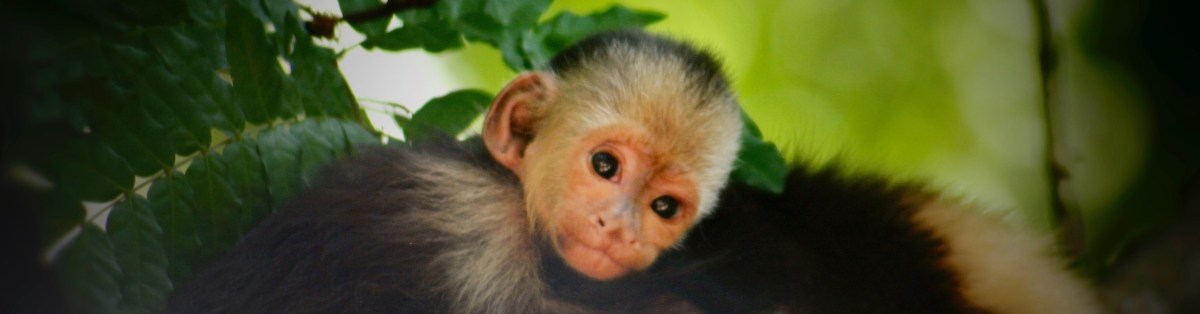
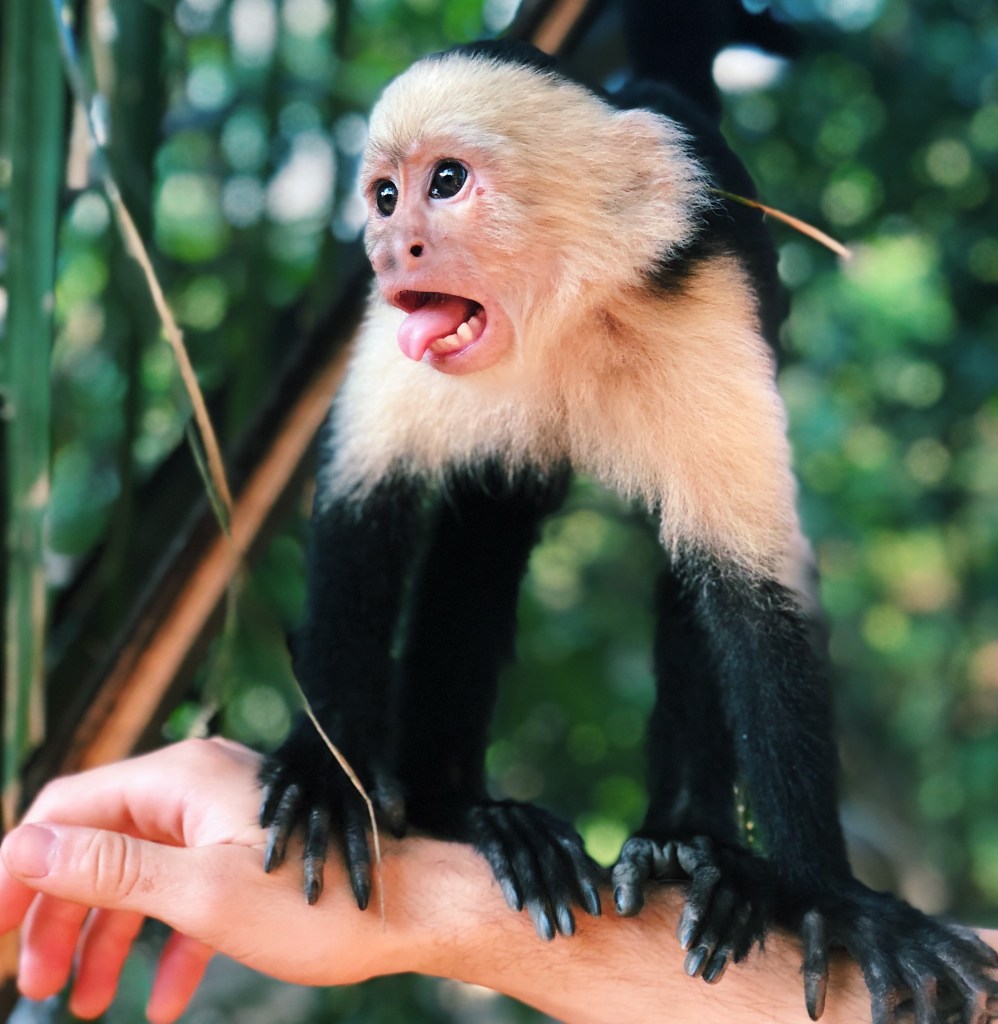
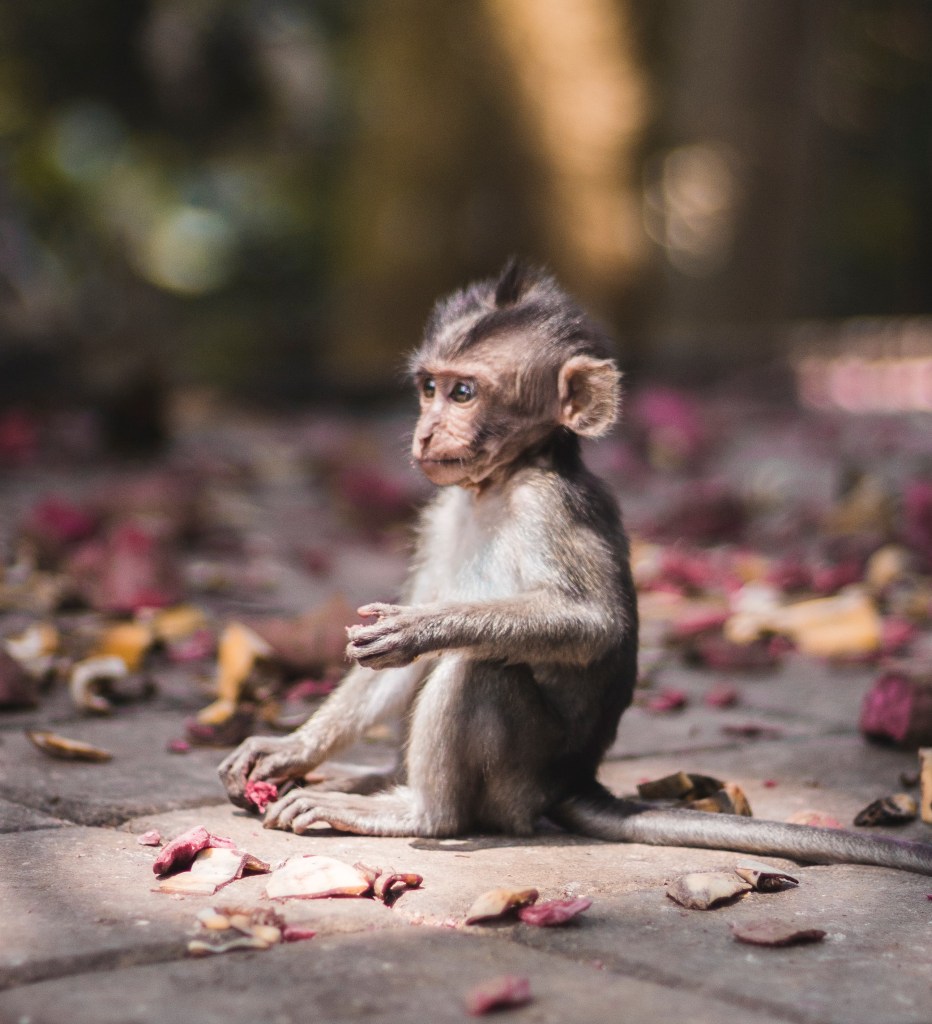
I have a monkey. Those of you aware of your monkey minds know exactly what I mean.
But at this moment, “I have a monkey” means something more tangible. After giving it some thought, after going through struggle after exhausting struggle over all the negative chatter in my head, it was clear that I needed to change my strategy.
A quick Amazon search provided the result I needed: a gloriously soft, appropriately small, unbelievably cute plush monkey that would serve as my previously-maligned nemesis. It is a physical representation of my MonkeyMind (my little MoMi), but not one that I’d want to stay away from. This one begs for soft cuddles.
(To be clear, I bought a stuffed toy from the Amazon site, not an actual primate from the Amazon!)
How can something so darling be a nemesis? It shouldn’t be.
This is not about avoiding thoughts or wrestling my mind into submission, which I’d been trying to do. This is about acceptance of something that is a part of me.
Instead of tossing and turning at night, instead of succumbing to anxiety, instead of frantically trying not-to-think about what’s bothering me, I take that comfy manifestation of my worries and shower it with affection. I hold it gently, and then I hold my thoughts gently too.
Spread the love in 2020. We desperately need it.
The best part of this is that MoMi, a representation of that which upsets me, is actually so easy to hold and love.
What does my MonkeyMind need? The same thing this world needs a lot more of: LOVE.
I got thinking about my MonkeyMind. Most of the time it’s doing a lot of chattering, distracting me from the present and keeping me up at night. I meditate in an effort to shut it up, but that’s a struggle.
We have had a tumultuous relationship, MonkeyMind and I.
I’ve tried to wrestle it into submission, but WOW does it put up a fight! We stand at odds, I in one corner and my MonkeyMind in the other, dukes up, gritting our teeth.
Headaches result. This is tiring. Something needs to change.
After numerous fruitless boxing matches, I decide to try something else, something I hadn’t thought of before. I invite MonkeyMind into my home. While I had, in the past, taken it by the scruff of the neck and attempted to toss it outside–an exercise in futility–now I’m opening the door…
We stare at each other. MonkeyMind looks a lot smaller sitting on the rug by the front door than when it’s screaming in my ear at 3am. Gentler and less menacing. Even a little scared, unsure of what’s going to happen.
MonkeyMind doesn’t look so scary there on the ground by itself. You mean, this is the little guy who’s been giving me so much grief?
I pat it on the head. Its fur is silky soft! I expected a rough, bristly coat, but it’s nothing like that. I can’t resist, I pick MonkeyMind up and then, as I look down at its anxious little face, I’m struck by an overwhelming urge to hug the little bugger, so I do.
And then something new happens: MonkeyMind burbles contentedly. I’ve never heard that before!
Then again I’ve never held MonkeyMind before. I’ve never given it the attention it required to make its needs known, never been sincerely patient with it, never cuddled it. I’ve just tried to push it away.
This is so much nicer.
Now when I wake in the middle of the night and notice MonkeyMind chattering in my ear, I take it in my arms and rub its tiny feet. I stroke its little back and feel the softness of its fur against my face. We take a deep breath together.
I feel grounded and present. MonkeyMind settles down. We both go back to sleep.
Perhaps it’s more correct to say that the journey is BACK on. I enjoyed my time off tamoxifen, but I really didn’t notice much of a difference in myself whether I was taking it or not, suggesting that maybe what I thought were side effects, weren’t. So I’m willing to humor my oncologist and try an aromatase inhibitor.
Not gonna lie, I really did not want to go on yet another medication, but for this appointment, I left all the journal articles at home and put away the boxing gloves. I promised my oncologist that I would stay off the forums, stay off PubMed, quit overthinking things and give letrozole a chance.
The reason? My oncologist thinks that my earlier frustration with tamoxifen was, to put it bluntly, in my head. And my clinical counselor suggested that what I complained of could be explained by anxiety. But I swore that my memory and focus issues started with tamoxifen.
You know what? I’m not so sure now.
The fact is, everything that I was experiencing could have been caused by anxiety (or menopause). And even more striking were the things that I didn’t experience. Not only did I not have significant hot flashes (maybe a “warm flush” here or there, easily countered by taking off a sweater), I never had night sweats. Heck, I had more night sweats before my cancer.
No weight gain, either, which had been another big concern of mine. I’ve been disciplined in maintaining healthy fitness habits throughout my adult life, probably to the point that most people wouldn’t tolerate. Tamoxifen didn’t manage to mess with that, which was extremely gratifying.
While I really want to peg the concentration problems, distractability, flagging libido and other negatives on estrogen-blockers, a retrospective look at my emotional history suggests that (1) I’m highly suggestible (I need to stay off the internet!), (2) there have been loads of anxiety-amplifying events in my life, even before cancer, that I haven’t handled well, and (3) I would be better off shutting up, taking the pill and working on getting my mental state in order.
I mean, I already knew most of this. But some things need to hit me between the eyes a number of times before they actually register.
Wow, dizziness and impaired ability to drive are bad enough to merit a prominent place on the label? Yay! I’m going to pretend that this is a sleep inducer that will leave me better rested. I’ll let you know if that works.
So, while my oncologist warned me about “a little joint pain” (eek!), I’ve avoided anything but a cursory glance at what I might experience on letrozole, besides what reactions would necessitate calling the doctors.
We’ll see how bad these side effects really are.
~~~~~~~~~~~~~~~~~~
A FINAL NOTE – According to what was written on the bottle, this stuff can cause dizziness and impair my ability to operate a vehicle. Seriously? I didn’t expect that, but here’s what I’m going to do with that tidbit of information: I’m going to view letrozole as a reason to get to bed earlier, since I’ll obviously have to take it in the evening. And I’m going to tell myself that this is going to help me sleep. Who knows, maybe it will?
More than two years after finishing chemo, after being afraid my hair would not grow back, and after being delighted with the way it did…I’m experiencing follicular drama, once again.
Once chemo was over, my sleepy follicles took their time getting roused into action. To say that I worried would be an understatement. I was still caught up in the unfairness of being smacked down by breast cancer. Confronting the possibility that after enduring the nastiness of cancer treatment, I might not get my hair back? That was too much.
Well, if you’ve read my posts on hair, you’ll know that my hair finally did come back. And there was much rejoicing.
And that’s where my hair posts stopped. But as happens with these kinds of things, that wasn’t the end of the story.
While still bald, I had been fed reassuring anecdotes by well-meaning supporters about hair coming back even better than before, lush locks that served as well-deserved rewards for undergoing the anxiety and strain of cancer diagnosis and treatment.
But as much as cancer patients feel like they don’t know what’s going on, those around them have even less of an idea. They want you to “stay positive” at all costs, so they overload you with lots of good news.
The forest isn’t as dense as it used to be.
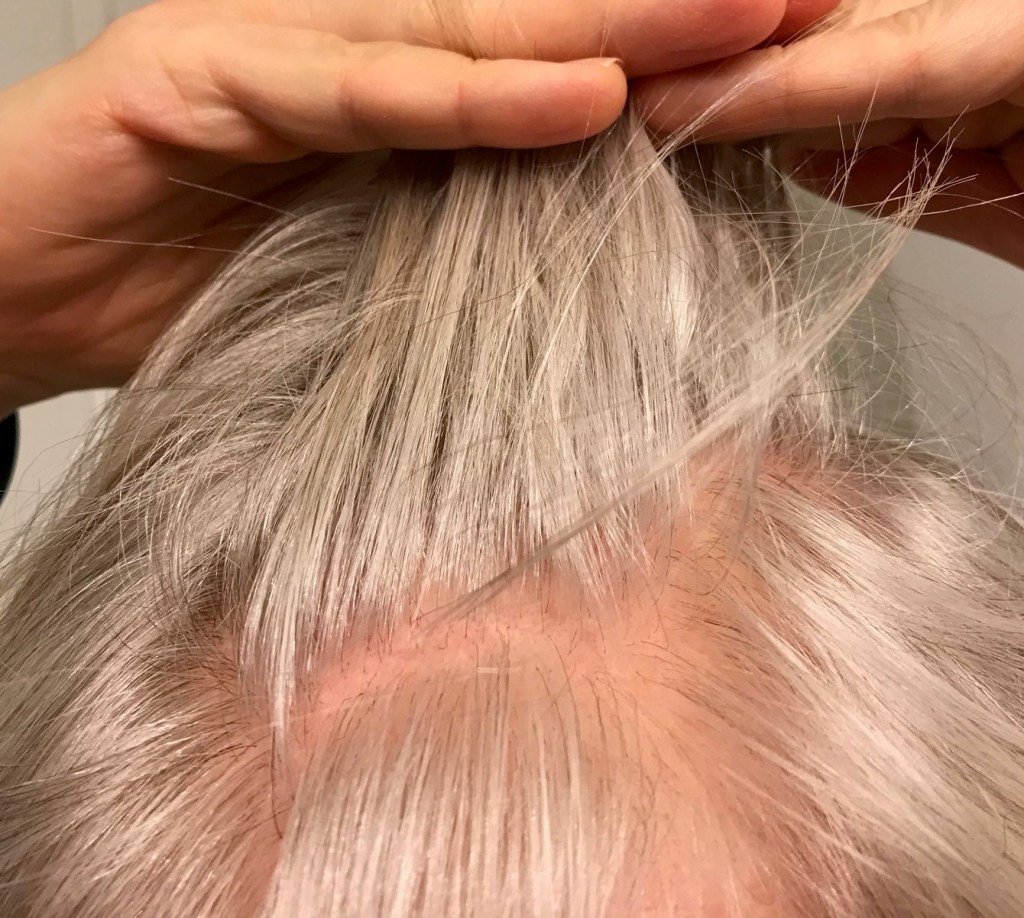
By now you can probably guess where I’m going with this. Because in Spring 2019, things started changing. Within a few months, my uber-cool spikey rockstar hair lost fullness as my strands thinned. Then, I saw “bald spots”.
So, let me explain how I define “bald spots”: these areas have hair, but due to the color (um, WHITE) and thinness, the hair seems translucent, even transparent. And along the part? You can’t see the roots well at all.
My reward for enduring cancer is invisible hair.
My hairstylist confirmed that the hair that comes back in after chemo is different from the hair that eventually settles in. And mine had settled.
Tamoxifen also played a role, since choking off estradiol and moving into menopause will age both you and your hair, particularly if you are premenopausal going into treatment, as I was. So this should have been expected, but in the hustle and bustle of all the other little things, like, oh, wondering if you’re going to survive the ordeal, no one really talks about the fact that there will be other changes that take place.
And now, I’ve been off tamoxifen for almost six weeks, but can’t tell whether there’s been any regrowth, not that I expect any. I meet with my oncologist this Tuesday and you can bet your panties he’s going to prescribe an aromatase inhibitor for me, so the pharmaceutical depression of estrogen will continue.
I am dealing. Mostly. Am I happy about this? Of course not. The last few years have felt like running a gauntlet of misery, but one where I’m only hobbled and not completely taken out. Given that, I’m ashamed of complaining, as there are many others doing so much worse. But not ashamed enough to stop writing about it, as this is my reality and it affects me. If I’m going through this, there’s a good chance that many others are too.
I’m supposed to be moving on and leaving cancer behind me, right? But like an annoyingly nosy neighbor, it keeps waving at me through my kitchen window, reminding me that it’s living next door.
I’ll be the first to admit that I have a history of not handling stress well.
A recent PubMed search on the connection between stress and proliferation of cancer didn’t help, as I found sufficient evidence to show that the two may be closely linked, and that is a disconcerting thought for a cancer survivor. Finding ways to relieve everyday stress has become one of my highest priorities. But would I be better served by focusing on stress as a positive force?
In her 2013 TED Talk, health psychologist Kelly McGonigal offers a new view of stress, not as a horrible experience, but instead as a state that primes your body for better dealing with hardships.
This is a novel and intelligent way of looking at something that, unfettered, could otherwise harm us. Why not turn it into a positive instead?
McGonigal points out that our attitude towards stress is critically important. A study from the University of Wisconsin (Keller et al., 2012, Health Psychol) demonstrated that people who experienced high levels of stress and were convinced that stress was harmful to their health were 43% (!) more likely to die during the eight-year study period. Note, these are correlational (not causational) findings, although it was striking how that belief predicted an earlier demise.
McGonigal describes research at Harvard (Jamieson et al., 2012, J Exp Psychol Gen) to discover whether changing someone’s attitude about stress can change their response to it. The study was designed to invoke anxiety in the subjects via a “social stress test”. But one group of participants was primed with information about how sensations associated with anxiety were actually beneficial for their performance: pounding heart = preparing the body for action; breathing faster = getting more oxygen to the brain for clearer thought.
Test subjects taught to reappraise their responses reacted differently to the stressors than might have been predicted. They felt energized, more confident and ready for the challenge. But what was even more surprising was that their physiological response was more positive, because they didn’t experience the tightening of blood vessels commonly associated with chronic stress and thereby with cardiovascular disease. Rather, the blood vessels stayed relaxed, as happens during periods of “joy and courage.”
What if effectively dealing with stress is as simple as changing the way you view it?
This is a much healthier physiological reaction. As McGonigal puts it, “How you think about stress matters.” It may make the difference between a long life and an early death.
McGonigal goes on to describe another positive benefit of a healthy stress response: the release of oxytocin, the “cuddle hormone”, which results in people seeking out social support during times of stress. Says McGonigal, “Your biological stress response is nudging you to tell someone how to you feel, instead of bottling it up.” In addition, this results in an increase of empathy so that you are more likely to help someone else who’s experiencing stress.
Further, oxytocin acts as an anti-inflammatory and protects the heart from potential negative effects of stress.
But most telling is a study (Poulin et al., 2013, Am J Public Health) that examined the connection between high levels of stress, risk of dying and amount of time that people spent supporting those around them. As might be expected given the above information,”people who spent time caring for others showed absolutely no stress-related increase in dying. …Caring created resilience.”
For me, McGonigal’s talk stood my belief about stress on its head. Can I learn to view the stress response differently? Yes, I believe I can. And what about social support? That is the path my life is taking: finding a more meaningful existence though supporting others.
After some intense research on the risk of developing breast cancer, I’ve come to the conclusion that the factor with the greatest causal relationship to the disease is, quite frankly, life. In fact, I sometimes wonder how people manage to NOT get cancer.
Being born female (well that covers about 50% of us)
Getting older (um, inevitable…)
Drinking alcohol (even moderate drinking has been shown to be harmful – find a different hobby)
BRCA1 and BRCA2 gene mutations, which everyone talks about, but certain mutations in the following may also increase cancer risk, although to a lesser extent: ATM, TP53, CHEK2, PTEN, CDH1, STK11, PALB2
Personal history of breast cancer (get it once and you’re a moving target)
Family history of breast cancer (including both close and distant relatives)
Personal history of breast lesions (even stuff that seemed benign-ish)
Radiation exposure, specifically to the face and chest, before the age of 30
Obesity (but mainly for postmenopausal women, see here; it’s complicated)
Having dense breasts (sometimes this is considered a top risk factor)
Beginning your period before age 12
Going through menopause after age 55
Having your first child after age 30
Never having kids (remember that when you’re paying for their college)
Taking hormone replacement therapy (HRT)
Certain hormonal birth control methods
Family history of ovarian cancer, especially before age 50.
Being white (at least in the U.S., although the rates of African-American women are catching up, often with a worse prognosis)
Having received diethylstilbestrol (DES) to prevent miscarriage, given either to you or your mother
Being inactive (honestly, exercise is critical – don’t overthink it – MOVE!)
Not breastfeeding (not only does nursing lower your risk, if you do get breast cancer, you’re less likely to get the aggressive triple-negative type)
Being taller (this may have to do with faster growth at an early age)
Doing night shift work (this may affect your hormone patterns, not to mention make you cranky during the day)
Smoking (the evidence for this has been deemed “suggestive, but not sufficient”, but inhaling smoke sounds like a bad idea regardless)
Exposure to cancer-causing chemicals (that’s, like, just about everything out there, and the connection remains unclear)
Diet choices (this is unclear, although there have been some links drawn to both macronutrient proportions and some vitamins, but more research must be done)
Oh, for the day when we can be guaranteed that what we’re doing is helping (or hurting) us!
In a word, we really don’t know, but living a healthy lifestyle gives you the best chance for survival.
Finally, the things that seem to have no reasonable link (per WebMD and echoed on other sites):
Antiperspirant (no need to stink)
Bras, underwire and regular (feel free to support yourself)
Abortion or miscarriage
Fibrocystic breast changes
Multiple pregnancies
Coffee/caffeine (raise your mug in celebration!)
Hair dye (unless it’s really radioactive, but come on, that would be silly)
Judging from the above info, it can feel like cancer is waiting around the corner to pounce on the next unsuspecting victim that wanders by. I thought I had ZERO risk factors, but I can easily pick out several there. At the same time, I know people who seem like they’d have a gazillion risk factors and they never get zapped. So.not.fair. But that’s cancer for you.
And the more we find out about the disease, the more we see how complex it is. We are all different, reflected by our DNA, so it’s not out of the question that we might be affected in unique ways by these risk factors. Research is uncovering new connections all the time, and it may be that in order to find a cure for cancer, we’re going to have to look at the disease in ways that we never have.
You’ve probably seen those plastic breast self-exam cards you hang on your showerhead as a reminder to feel for lumps on a monthly basis. I have one myself, and would read it over and over when I was trying to decide whether my lump was worrisome, reviewing the “reduce your risk” tips the card offered.
However, there are two points that I wasn’t aware of at the time that I was diagnosed: (1) we know little about causal factors, as most studies that examine risk are only correlational; and (2) there’s a difference between being premenopausal vs. postmenopausal when talking about breast cancer.
Okay, there’s a third one too: (3) risk factors don’t mean squat when I’m talking about my personal diagnosis.
First, a well-known fact: postmenopausal women make up the majority (approximately 2/3) of these cancer cases, so it’s not surprising that the focus is on them.
I, however, was premenopausal when I felt the lump in my left breast.
Imagine my surprise, then, when I learned that while being overweight or obese is a significant risk factor for postmenopausal women, being overweight as a premenopausal woman seems to offer protection against the disease. Whereas I thought I didn’t have any risk factors for breast cancer, as suggested by that plastic card in my shower, perhaps I did.
There’s not much talk about that protective element of weight for premenopausal women. You would be hard-pressed to find a popular website that mentions it. And no doctor would encourage a premenopausal woman to carry extra weight on the off chance that it might lower her risk of breast cancer; it’s too much of a liability for other health issues, including other cancers.
This explains why, if you’ve gone to a gathering of newly-diagnosed breast cancer patients, you’ll see some younger, remarkably fit women looking a little dazed and wondering what they’re doing there.
It’s true that everything about cancer is complicated. If it were straightforward, we would have found a cure by now. Furthermore, when it comes to guidelines to follow, people don’t want details, they want sound bites. But simplification cuts out information. For example, this CDC webpage about what you can do to lower your breast cancer risk posts recommendations geared for older women, including maintaining a “healthy weight”, but the photo that’s shown is clearly of two younger women.
Even a cursory glance at the research reveals what a difference menopausal status makes. In addition to extra weight seeming to have a protective effect in premenopausal women (Cold et al., 1998, Eur J Cancer; Lahmann et al., 2004, Int J Cancer), it’s also been determined that greater red meat consumption in adolescence is significantly associated with increased risk of breast cancer in premenopausal women (Farvid et al., 2015, Int J Cancer). Interestingly, higher quality diets have a more beneficial effect on the risk of postmenopausal women and seemingly no effect on premenopausal ones (Haridass et al., 2018, J Nutr). I would expect that a more exhaustive search would yield even greater differences.
Live as if your life depends on it.
So what does this tell us? This is less about the specific differences between pre- and postmenopausal breast cancer risk, and more that there simply is a difference. At this point in our knowledge, we are still putting together pieces of the cancer puzzle.
Additionally, many studies that offer preventative guidelines are based on other studies–they may be meta-analyses of previously collected data from a broad range of subjects. The data may be self-reported, which may result in recall error. And when you have a sample size of ~30,000 women, you’re talking about general risks for populations, not a specific risk for a specific, and very unique, individual: you.
All this sounds exasperating, but one concept holds true: no matter what your risks, the healthier you are before you’re diagnosed with cancer, the better your outcome compared to someone with less healthful habits, should you get the disease. Instead of obsessing about possible risk factors, give yourself the respect you deserve–put the effort into improving lifestyle habits to grant yourself the best chance for survival. In the end, that’s what matters.
This weekend would have marked two years of taking tamoxifen, the estradiol-blocking medication that is supposed to keep my hormone-positive breast cancer from recurring.
As it turns out, there will be no such commemoration. Several weeks ago, I started noticing a funny cramping feeling in the general area of my uterus. It was light and under any other circumstances, I would have ignored it, but use of tamoxifen is associated with an increased risk of endometrial/uterine cancer, so it kept me on edge.
It’s worth noting that the increased risk is actually for postmenopausal women, and to the best of my knowledge, I was not yet postmenopausal. That’s why pre- and perimenopausal women are started on tamoxifen but taken off of it as soon as they go through menopause. Still the sensation, although intermittent, didn’t go away.
I finally called my oncologist. As it was, I was wary of tamoxifen – I already blamed it for a number of other negative things that I experienced: fatigue, hair thinning, low libido, cognitive issues, mood swings, general misery…all of those and more were listed as possible side effects.
I complained about the light cramping to an oncological nurse, who was surprised that I didn’t have a recent pap smear on record, because according to her, the oncologist wanted me to have one yearly. Mind you, pap smears are for cervical cancer, and I wasn’t at an increased risk for that. But whatever. The nurse gave me her blessing to stay off tamoxifen until I next saw the oncologist.
Conveniently, my oncologist appointment was in three days.
I was stressed, because if there’s one thing that being a cancer survivor made me good at, it was stressing. So much so, that my blood pressure hit 165/95 at my appointment. I couldn’t get over how ridiculous that was and how my thoughts had generated that sort of a reaction. I don’t think my pressure was even that high before my cancer surgery, at a time when my anxiety was raging and everything felt out of control.
I had a prolonged discussion (negotiation?) with my oncologist. In the end, we decided the following: I could take a month off tamoxifen and meet with him again in six weeks. In the meantime, I would go to my gynecologist to rule out endometrial cancer. (Incidentally, a week later at the gynecologist’s office my blood pressure was back down to a very reasonable 102/64.)
No more tamoxifen? Yeah, I feel like celebrating.
My oncologist and my clinical counselor (who I discovered had spoken to him about me) thought that some of the worst side effects that I was experiencing were not due to tamoxifen, but anxiety. My onc suggested that if nothing improved after a month off tamoxifen, I should consider anti-anxiety meds.
But he also checked my hormone levels to see where I was in my journey into menopause. A few days later, I got the news: I was officially postmenopausal and was told to not restart tamoxifen.
So, okay, no more tamoxifen. I was also quite happy that I managed to transition through menopause without any significant hot flashes. The downside of this was, however, that I would be put on an aromatase inhibitor, which came with its own set of side effects, not the least of which was significant bone pain and bone density loss.
Or at least those were some of the effects that I remembered from the last time that I read about them, which was a while ago. This time, I’ve decided, I won’t go back and research all the negatives of the medication. Anxiety does hit me hard, I have to admit, and I want to be sure that I’m really experiencing what I’m experiencing and not simply being influenced by what I’ve read.
So I’ll give the new medication a fair shake and give myself a break by not getting worked up by what *might* happen. As the gynecologist said, looking over my bloodwork, “Actually, you’re really healthy, except for having had breast cancer.” I’m going to go with that and see where it takes me.
I AM STRONG that means Sometimes I get frightened and that’s okay Sometimes I feel vulnerable and that’s okay Sometimes I cry and that’s okay Because although the past feels heavy and the future is unsure I am here NOW And today feels like a DEEP BREATH
Some of the recurring themes in my conversations with my oncologist have been that there’s so much we still don’t know about cancer and that the truth will likely be much more complex than we realize.
The recommendations offered as ways to reduce the risk of cancer should not be misconstrued as sure ways of preventing the disease. Thinking we can prevent something gives us a sense of security, which is what we crave. With cancer, we don’t yet have a clear view of how the processes that initiate a DNA mutation translate into our everyday world behaviors or environmental influences, if they even do. What we know is mostly correlational, which means that there seems to be a connection between two things, that they occur together. But that does not mean that one causes the other.
Consider this example: the growth of grass that comes in spring is correlated with the appearance of robins searching for worms. But it would be incorrect to say that the appearance of robins causes the grass to grow. That’s confusing correlation with causation.
In the case of cancer, we don’t have significant causal information when it comes to providing guidelines to humans about what to do and what not to do to prevent the disease. We can offer suggestions, although as in the case of the robins, we can be way off in terms of the way that one thing might affect the other.
Perhaps most unsettling is that as humans, we’re used to being the top predator. What we don’t have as protection inherently (claws, fur, huge teeth), we can use our big brains to manufacture. Cancer, however, still exerts its dominance over us.
We are trying, of course, and learning more all the time. Witness how far we’ve come with treatments, and how we’ve affected the survival rates. That’s a significant and positive step – as a breast cancer survivor, I can attest to that.
But not being able to effectively address the cause means that the treatments, as effective as they may be, take a huge toll on the patient both physically and psychologically. Many of us struggle in recovering from treatments that are considered highly effective, while others succumb to either the disease or the treatment itself.
So as the Breast Cancer Awareness Month of October comes to a close, it’s a good time to celebrate all the positives associated with our medical advances, but also keep an open heart for those who continue to suffer from any type of cancer.
And many of those do not have the benefit of being highlighted in pink.










 Frantic Shanti