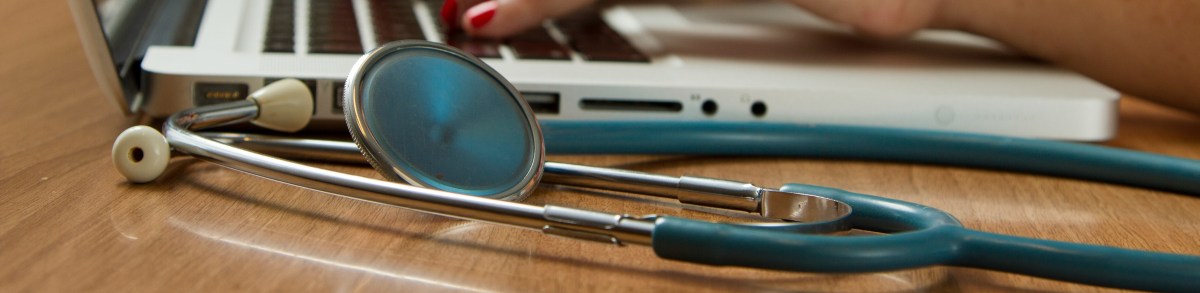
A Date with the Oncologist…and the Office Scale

This past week I had my “9-years-since-biopsy” oncology appointment. I have sat in that same exam room numerous times since March 2017.

It still smells the same—I think it’s the cleaning solution the Cancer Center uses, but I’ll never forget that scent. On the other hand, numerous improvements in treatments have taken place since my first time there.

One thing that hasn’t changed is that I still get weighed before every doctor’s visit, just like I do for a lot of other health appointments. It’s also been my least favorite part of getting a check up. No, I am not overweight, but as a child I was taller than all my classmates; basically a lean kid with perfectionistic tendancies who was occasionally teased about having a higher number on the scale, which I can assure you is a shortcut to disordered eating. As a result, even now I am sensitive about how much my healthcare team reads into my weight numbers, even though my weight fluctuations tend to be only a few pounds up & down that are not reflected on my frame.

Yes, you would be correct if I seem to get a bit touchy about this.

I weigh myself twice a week at home with a pricey, high-quality scale that provides all sorts of other metrics. The bodyfat percentage is not accurate and tends to report a lower-than-truthful value, so I don’t swear by it. But I have a great deal of confidence in the weight measurement, especially because I control for as many variables (time of day, clothing, etc.) as possible when I weigh myself.
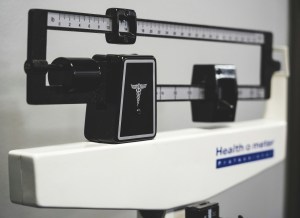
The scale in the exam room isn’t even one of the “good” ones!
(Photo by Samuel Ramos on Unsplash)

The scale in my oncologist’s exam room literally looks like a bathroom scale. It’s not even the typical mechanical doctor’s scale with the weights that you move across that “T” thing that stands in front of you, if you know what I mean. It’s just a basic electronic scale. I’m sure it’s relatively accurate but not what I’d consider a gold standard.

Why am I making such a big deal out of this? Because my weight at my appointment was about 5 pounds heavier than it had been when I weighed myself at home a few days before and about 3-4 pounds heavier than the last time I was at the oncologist’s office.

And my oncologist pointed it out. It struck a chord. Maybe I sensed concern on his part, maybe I interpreted it as disapproval, maybe I just imagined his reaction. But I immediately felt defensive. This was not a 20-pound difference. This was, for all intents and purposes, a few pounds higher than last time.

I work out 4-6 times a week. I lift weights. I do high intensity interval training. I row on an erg. I take the stairs two at a time. And I cannot shake the feeling that it’s never good enough.

I have been a pescetarian for the past 42 years. I eat mainly vegetables and protein. I don’t put sugar in my coffee. I rarely indulge in alcohol or rich desserts. I have been told that I’m TOO disciplined. And it doesn’t seem to matter.

So, yes, I’m sensitive about this because I’ve spent my entire adult life being very careful about diet and exercise. I have been big on avoiding the things that the general public may consider indispensible treats, even though they’re not healthy. And, quite frankly, I prefer it that way and regret nothing.

Eat healthy, exercise, get cancer—but will people believe you did your best?
(Photo by Nadine Primeau on Unsplash)

But still I feel pressure.

Now, if I were decades younger, this might have sent me into an “I-must-be-even-more-disciplined” state and triggered a clamp-down on myself. But I take a deep breath because I know what I look like naked. I can’t change how people think. I can’t change the healthcare system. The scale is here to stay.

But I can say that as judge-y as people get around weight, the negatives extend way beyond those who might be struggling with weight loss or seem not to care. The effects of perceived judgment touch everyone else too, no matter what shape or size you are. And numbers without context can ruin your day.

As cancer survivors we may already have a difficult relationship with our bodies: changes experienced through surgery, not being able to recognize ourselves after chemo, dealing with unexpected effects of endocrine therapy, even the beliefs of others that we did something to bring cancer upon ourselves. That’s a lot to handle when you’re worried about recurrence or a degraded quality of life.

Hey, it’s okay. I get why we get weighed. But sometimes I hate how it makes me feel.
What Do I Want, Really?

(Title image: Photo by Anthony Tran on Unsplash)

A few days before Christmas I was listening to a radio interview with a therapist who was discussing the conflicted feelings that many people might have around the end-of-year holidays.

According to social media and advertisements and whatnot, we’re supposed to feel jolly and festive and full of holiday spirit. But that’s not necessarily the case. Not only can this time of the year feel oppressive with numerous responsibilities (gift buying, preparing elaborate meals, dealing with visitors), the expectations for what this season should look like don’t often match the reality of our actual experiences.

The ho-ho-holidays are not always as jolly as we expect them to be.
(Photo by Al Elmes on Unsplash)

So the therapist was saying that he has is clients ask themselves a couple of questions. The first question is something along the lines of “what kind of a holiday do I want to have?” This is often the holiday that we feel we should be having, the commercialized holiday where every decoration shines brightly, every meal is delicious and every gift is exactly what the recipient truly wanted.

But the second question is “what kind of a holiday do I want to have, really?” This query cuts to the quick—what matters the most to me?

The two questions may have very different answers.

I believe that these are excellent questions to ask. They allow us to step back and truly consider what this time of the year means to us once we remove the bright lights and flashy wrapping paper.

How does the future look?
(Photo by Joshua Earle on Unsplash)

We can apply that same perspective to our expectations as we head into the New Year. Perhaps it’s time to forgo the usual canned list of resolutions, shake off the voices in our heads and ask the “really?” question.

This is the question that releases the perfectionist pressures that we’ve been carrying with us and instead encourages introspection. It allows us to be honest with ourselves. Sometimes what we really want is not the new car or the promotion; sometimes it’s a sense of peace or stability.

If this seems too vague, then try imagining that it’s now December of 2026 and you’re looking back on the year. How would you like to be able to describe the twelve months you experienced? How do you want to feel? And consider what needs to happen in order for you to feel that way? Are there changes you need to make?

The more clearly you can envision this, the easier it can be to create a path to head there. Take time to feel into this. Write it down and then refer to your notes on a weekly basis.

The year 2026 is just around the corner. What do you want it to be like…really?

Making a List, Checking It Twice

(Title image: Photo by Kelly Sikkema on Unsplash)

I have been stressed lately, which is a bummer because this year I really wanted to relax and enjoy the holiday season. But once again, it seems like the year has some zingers left for the final months of 2024.

Instead of writing about them in a post, I decided to write them down…and I was surprised by how many stressors had built up.

I made my list carefully, organizing it by time periods: first, I wrote down the things that had been nagging me all year or longer. Stuff like constant increases in rent and cost-of-living. These were exerting continuous pressure on my well-being.

“Dear Santa, please don’t bring me any more stress. I’m good for this year.”
(Photo by Mike Arney on Unsplash)

Second, I wrote down things that seemed to have happened in the second half of the year and had a large impact, like my father’s death and experiencing frequent visual migraine auras.

Third, I got more granular and wrote about the things I was experiencing on a daily basis. Like feeling that my words were misunderstood or having to go through the rigamarole of tracking down a package that hadn’t arrived—these are things that work themselves out in a relatively short period of time but are stressful in the moment.

Why bother listing all this? Because it helps sort things out. I get perspective on exactly what’s going on in my life. Without that, it’s like someone throwing a huge blanket over you—suddenly it’s dark and you feel smothered. And that feeling of overwhelm elicits a lot of anxiety.

And once I had started the lists, I considered how I was reacting to these stressors. For example, since my father’s death I had not given myself the opportunity to grieve, not even during the funeral. There were so many other concerns that it didn’t seem like it was “the right time”.

So over the last two weeks, I gave myself the space to cry. If I hadn’t stopped to consider what was actually going on, I might have tried to soldier on and pushed away how much it hurt. I had been affected by not only his loss, but also by how his gentle nature meant he didn’t push back against forces that led him to forsake his own passions, and knowing that compounded my pain.

Ah, here comes that word again: PERSPECTIVE. You really don’t get the whole view until you step back and quietly observe.
(Photo by Brigitta Schneiter on Unsplash)

But the reactions don’t have to be as heavy as that. I also noticed that I had been doing a lot of sighing this year, something that is associated with stress and anxiety. Even my body was trying to tell me to take a break.

Writing out the lists gave me a chance to acknowledge what I was already feeling, and pushed me to evaluate whether what I was doing to relieve my stress levels was effective enough for what was going on.

It’s important to note that the purpose of writing up these lists is not to wallow in misery! Everyone has stress of some kind and I’m not unique in that, nor am I trying to make this a bigger thing than it is.

The fact is, some stressors happen to me and some I impose upon myself (unrealistic expectations, perhaps?). It is only when I am able to review them that I can determine which is which, and then take appropriate measures to alleviate whatever pressures I can.

But First, Self-Compassion

If you don’t love yourself, you cannot love others. You will not be able to love others. If you have no compassion for yourself, you are not capable of developing compassion for others.

Dalai Lama

As we head deeper into the holiday season, it’s easy to get lost in the hustle of preparations, gift purchases and holiday parties. So often, a time that’s supposed to be “joyous”, “merry” and “bright” becomes dark and stressful as we face the high expectations that we hold for these remaining weeks of 2022.

It’s difficult to welcome the holidays with an open heart if we’re closed off to our own needs.

I think of self-compassion as a rope. If you’re standing at the edge of a lake and see someone in distress you can only throw a rope if you have enough coils on your end. If the rope you hold is too short, it won’t reach the person you’re trying to help. 

And so it is if you’re trying to show care for someone—how can you truly care for them if you don’t care for yourself? Will you even know what sincere care and compassion are?

Self-compassion: acceptance, kindness and the understanding that what you are experiencing is part of being human.

 But the bonus of self-compassion is that the rope you throw is magical — you never give it all away. The rope is endless. Compassion doesn’t hurt, and a compassionate heart opens you up to being more compassionate more easily.

Allowing yourself to have the “less-than-Hallmark” holiday spread, to admit that you’re not feeling particularly jolly, to acknowledge that you need a break from responsibilities…

Take some time to feel into where your tension lies. Stop and listen to yourself breathe. Accept your feelings without judgment. Say “no” to taking on extra responsibilities more often…and then help others in doing the same.

Be compassionate towards yourself and it will be easier to show compassion to everyone else.

How will I show compassion to myself today? By taking stock of what else I can reasonably get done…and therefore end this post right here.

~~~~~~~~~~~~~~~~~~~~~~~

Ok, I know up there I said I was ending this self-compassion post…but before I go, consider the words of Kristin Neff, PhD, Associate Professor of Educational Psychology at the University of Texas and a research pioneer on the topic: “With self-compassion, we give ourselves the kindness and care we’d give to a good friend.”

Dr. Neff breaks self-compassion down into three elements:
1. Mindfulness
2. Self-Kindness
3. Connectedness or Common Humanity

Read more about her work at https://self-compassion.org/

Mindfulness and the College Admissions Scandal

As an alumna of one of the universities involved in the recent U.S. college admissions scandal, I’ve been following the details of this story with great interest. My eldest will be completing college applications this autumn. She is a remarkable student; however, unlike many of my fellow alumni, I have not had the means to put her into every imaginable extracurricular activity.

Yet, I had impressed upon her the importance of always doing her best and getting into a “good” university to improve her choices for the future, particularly since there will not be a windfall waiting for her when I die.

But the recent events have left a sour taste in my mouth. Particularly since my cancer diagnosis, I’ve been rethinking the stressors that are placed on students in the hopes of getting them into the “best” schools.

So much anxiety and lost sleep. Pressures to compete. I can no longer say that it’s worth it. The recent admissions scandal broke open the “secret” that many of us already knew. There is great iniquity in our society and college admissions reflect that.

I do believe that education is very important. That has not changed. But the artificial ways that we twist ourselves to fit a mold, to be granted confirmation of our worthiness of being one of the chosen few, is unhealthy.

I have served as an alumna interviewer for prospective students and become increasingly frustrated by the opportunities that wealthier applicants are given, when in fact they may work no harder than their less fortunate counterparts. If anything, I’ve seen relatively poor students do so much with what they have, sometimes as they deal with complicated home situations and an inordinate amount of responsibility.

But one thing seems to hold true for all students, regardless of income: competition for college acceptance teaches them that they’re never “good enough”. Having good grades and high scores is insufficient — they must do more: sports, clubs, musical instruments, volunteer activities, other distinctions, all at nosebleed-high levels of accomplishment. Nothing less than perfection is expected.

And always planning, planning, planning. There is little time to appreciate what is taking place now.

I don’t want the exquisite beauty of now to be sacrificed for some plastic promise of tomorrow.

I have bright children, but my wish for them is not necessarily to attend my alma mater. That is not what is important. I want them to be good people. Compassionate, empathetic and not so much in a hurry to get ahead, particularly not if it means treading on others. We have the ability to define our own success and we can do so mindfully and with grace.

This is not something that money can buy, nor that a particular diploma can offer. This is something that comes from within. The greatest gift that I can give my children is to teach them mindfulness, to show them how to still their thoughts and calm their worries. That lesson will serve them for the rest of their lives.

~~~~~~~~~~~~~~~~~~~~~~~~~~~~~~~~~~~~~~~~~~~~~~~~~~

What I would like all those students who tried so hard and still weren’t
“accepted” to know:

You are enough. You don’t need an acceptance letter to prove your worth.

You are bright and resourceful, inquisitive and engaged. And no matter where you go to school, you will do well. I see the sparkling light in your eyes — don’t let the heaviness of worldly expectations douse it. You, not some musty ancient institution, are who defines yourself.

Strive for what you feel is important, but do so mindfully and with kindness. That is what will make this world a better place for all.