In February 2022, I started a yoga teacher training program with a singular goal: to eventually teach yoga to cancer patients and survivors.
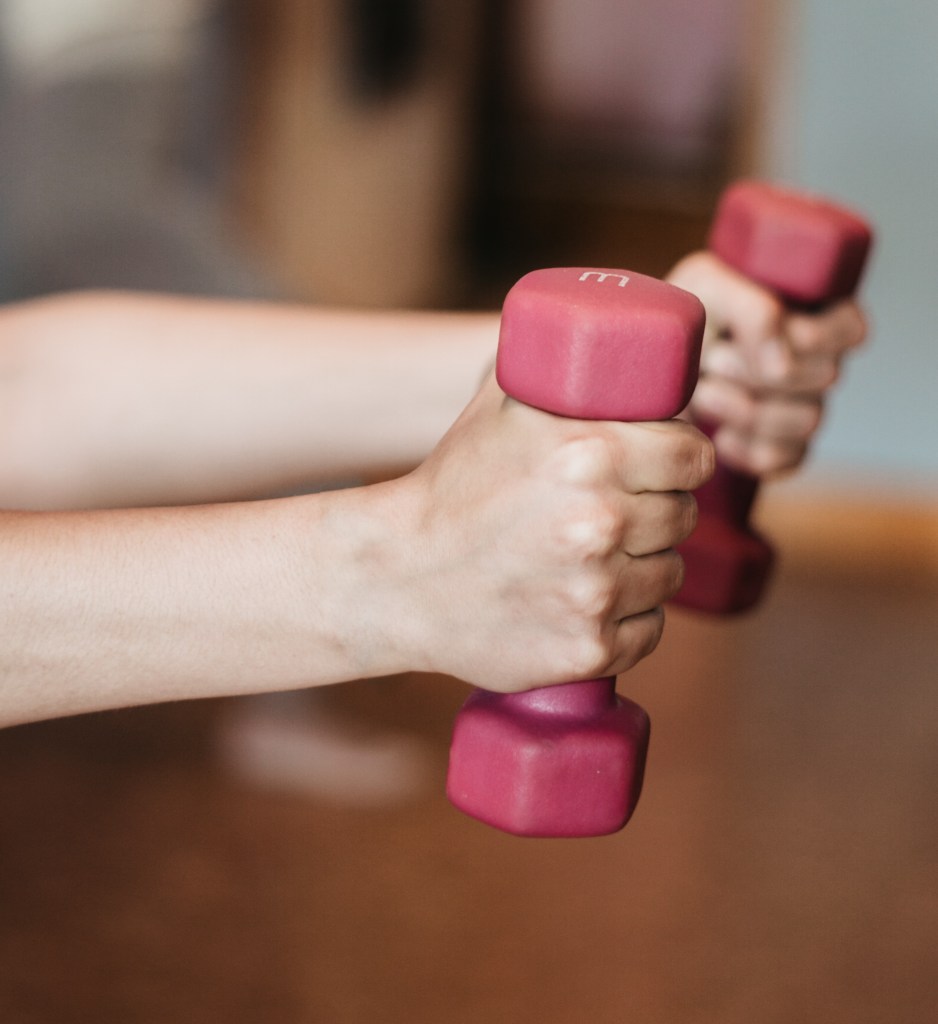
With its mix of physical postures (asanas), breathwork (pranayama) and meditation, yoga is ideal for someone going through the traumatic experience that cancer can be. Yoga can provide enough physical exertion to count as moderate exercise and the ability to help the practioner calm their mind, things that are so important for improving cancer treatment outcomes. However, classes must be designed carefully and taught thoughtfully.
Yoga4Cancer Q&A for Cancer Patients and Survivors (Yoga Alliance on YouTube)
Keep in mind, yoga teachers were yoga practitioners first. Many of them got really good at the practice, developed great flexibility and balance and gained respect for the tradition of yoga. But that doesn’t automatically make them appropriate yoga teachers for cancer patients, who need an instructor that understands the nuances of what cancer is and how treatment affects us.
A yoga teacher and breast cancer survivor by the name of Tari Prinster addressed that need by creating yoga4cancer (y4c), “an evidence-informed Oncology Yoga method tailored to address the specific physical and emotional needs left by the cancer and cancer treatments. The approach matches breath and movement to stimulate the immune system, improve flexibility & strength, reduce anxiety and boost overall well-being” (from the y4c website).
I’m planning to begin the y4c advanced 75-hour certification program (see informational video here) either later this year or early next. I’ve been so impressed by y4c’s emphasis on understanding the unique situation that cancer patients and survivors are in–it’s not just your garden variety beginner yoga class with “also for cancer patients” dressing. The program is well-thought out and comprehensive, and I’m so excited to embark on this next leg of moving closer to my teaching goal.
In the meantime, here is a selection of videos created by Tari and her instructors that are specifically geared for the mental and physical needs of cancer patients and survivors:
Yoga4Cancer Oncology Yoga for Cancer Related Fatigue (Yoga Alliance on YouTube)
Yoga4Cancer Yoga for Bone Loss (Yoga Alliance on YouTube)
Yoga4Cancer Yoga for Range of Motion (Yoga Alliance on YouTube)
Yoga4Cancer.com Yoga for Anxiety (Yoga Alliance on YouTube
yoga4cancer.com Yoga for Lymphedema (Yoga Alliance on YouTube)
yoga4cancer.com Yoga for Constipation (Yoga Alliance on YouTube)
Many cancer patients complain of feelings of helplessness after their diagnosis, and I can certainly relate to that. As a result, I’m particularly interested in research that explores whether patients can gain control over the success of their treatments.
The most recent study I’ve come across includes breast cancer patients undergoing treatment at Yale and Dana Farber Cancer Centers.
This study appeared in the Journal of Clinical Oncology(Sanft et al., 2023). Researchers examined the effect of diet and exercise on “relative dose intensity” (RDI), which is the relationship between the amount of chemotherapy delivered to the patient compared to the standard amount prescribed. Low RDI means that there was a reduction in the chemotherapy the patient received and is generally associated with a poorer outcome. Dose reductions result from the patient’s difficulty in tolerating the drug.
The researchers also looked for “pathologic complete response” (pCR), which is “the lack of all signs of cancer in tissue samples removed during surgery or biopsy after treatment with radiation or chemotherapy” (definition from cancer.gov). This was for women receiving neoadjuvant chemotherapy, which is chemotherapy administered prior to surgery.
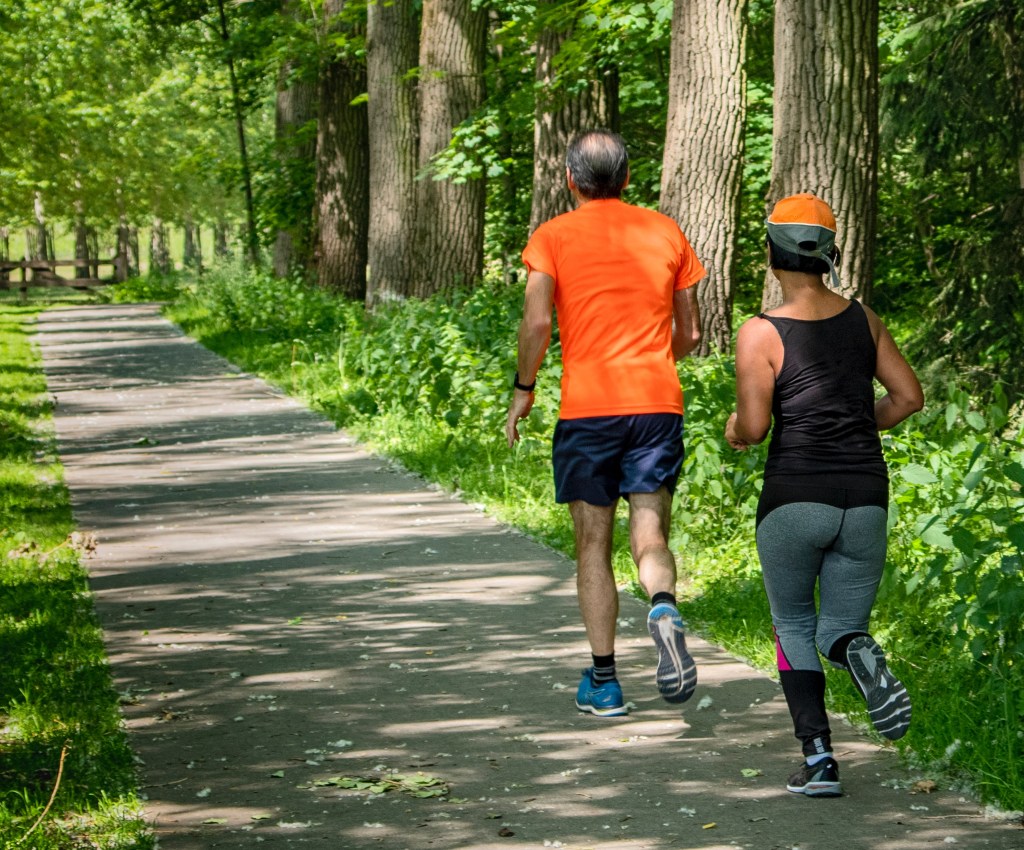
Yep, once again we come back to diet and exercise, even during chemo. (Photo by Yulissa Tagle on Unsplash)
The subjects of this study were women recently diagnosed with stage I-III breast cancer, who either received the “usual care” or a diet and exercise intervention. Those in the intervention group received nutritional counseling with a focus on a plant-based diet. The physical activity included counseling and support for maintaining a home-based exercise program that included strength training (2x/week) and brisk walking (150 min/week of moderate intensity or 75 min/week of vigorous intensity).
What the research confirmed first was that the subjects in the intervention group were able to increase their exercise and diet quality, which showed that it was feasible to make lifestyle improvements even in the midst of chemotherapy.
However, in this study, the RDI for both groups (“usual care” and diet & exercise intervention) ended up being similar, but also quite high, which meant that women in both groups completed most of their treatment. The researchers noted that the study should be re-run with patients who were at greater risk of not being able to complete all their chemo to see how much of an effect improved diet and exercise would have, especially since exercise has been shown in other studies to have a positive effect on patient outcomes.
But a striking difference was seen for women receiving neoadjuvant (prior to surgery) chemotherapy in that the rates of pCR (disappearance of cancer in the tissues) were 53% for women in the intervention group versus 28% for women receiving usual care. That suggests that the intervention enabled the chemotherapy to be more effective.
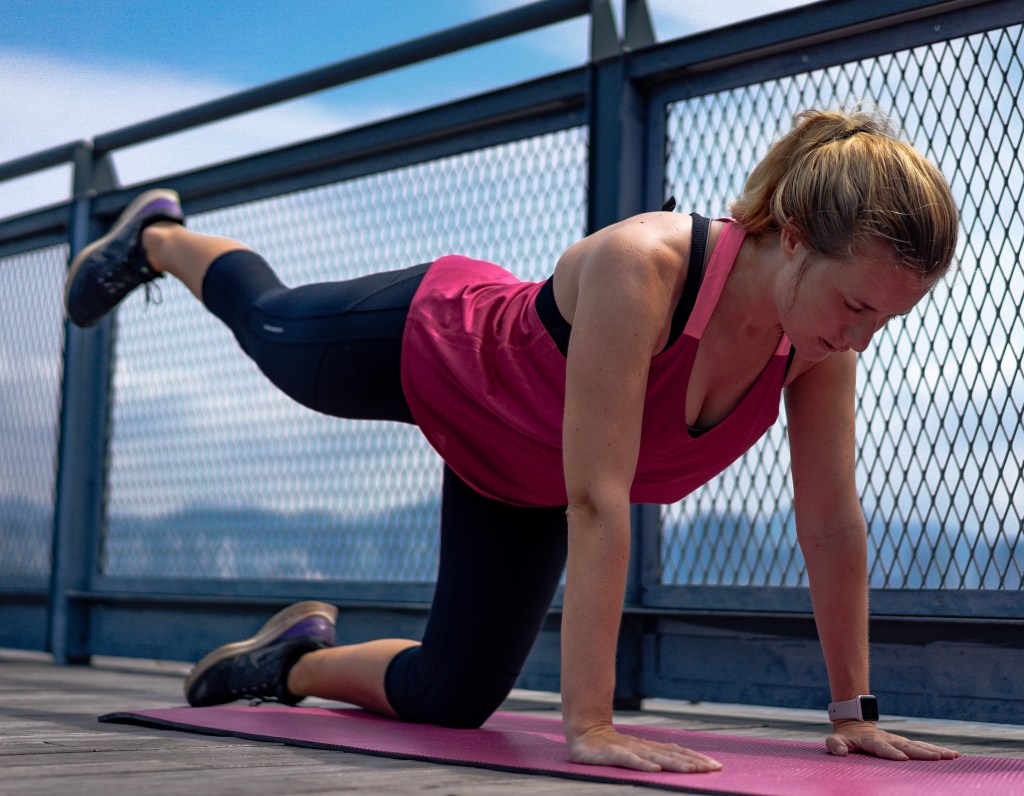
There are many physical activities you can choose from–clifftop not required. (Photo by Sigmund on Unsplash)
The researchers stated the following in summarizing their study: “Given that pCR is an accepted predictor of recurrence and mortality, our findings could provide oncologists with a supportive care intervention that affects the ability to potentially improve survival outcomes” (Sanft et al., 2023, J Clin Oncol). And this is very good news indeed.
The take-home message here is not surprising, and it’s good advice for life in general: no matter what your current lifestyle, prioritizing a healthier diet (emphasis on whole foods, plant-based, less processing, etc.) and engaging in regular cardiovascular and strength training exercise will improve your quality of life. It is always worth the effort.
~~~~~~~~~~~~~~~~~~~~~~~~~~
REFERENCE: Sanft et al. (2023) Randomized Trial of Exercise and Nutrition on Chemotherapy Completion and Pathologic Complete Response in Women With Breast Cancer: The Lifestyle, Exercise, and Nutrition Early After Diagnosis Study. J Clin Oncol, 41: 5285–5295. https://doi.org/10.1200%2FJCO.23.00871. [This paper is Open Access and can also be found in PubMed Central: https://www.ncbi.nlm.nih.gov/pmc/articles/PMC10691793/]
Warmest wishes to everyone for a joyous start to 2024! I hope you had a wonderful holiday season with your loved ones and are ready to launch into the new year!
I…learned a few things about myself in 2023.
My family and I had our share of misfortunes, bumps and hiccups and stumbles that started piling on. An apartment flood, two sizable rent increases, physical pains, emotional turmoils, family illnesses.
It’s easy to focus on the negatives (and *ahem* trust me, I did many times). But there were also some significant positives this year, not the least of which is that my cancer has not returned and I am still alive. Those are two biggies.
But I also found myself somehow managing, even in the midst of the worst stressors. I didn’t respond the way I had in the past, which would have been with a bought of nausea, racing thoughts and tortured nights.
So I know that something has changed: there is actual space between me and the things that suck. Now, there’s not always a lot of space–occasionally it’s a teeny gap that you could only slide a credit card through. And at those times, I might not even remember to take three deep breaths. But when I come to my senses I can breathe more space into that gap.
You need to stop and reflect on how far you’ve come to understand the benefits of what you’ve been doing. (Photo by Alexander Milo on Unsplash)
That, my friends, is called progress.
And as frustrating as it is that anxiety sometimes gets the best of me, my reaction is still so much better than it used to be and that provides motivation to stay consistent with a meditation practice.
So, if I learned anything, it’s that you don’t know how far you’ve come until you look back at the road you’ve been on and reflect on where you started.
But I also learned something else this year: sometimes you need to back off in order to go forward. I dealt with body pains that affected both my strength and conditioning exercise and yoga practice. I fought against taking it easy because I was so afraid of “falling behind”.
Well, nothing good comes of that. If anything, it prolongs recovery.
I was pushing myself to train harder and not respecting my changing limits. At the same time, I was juggling several online classes because I was also afraid of falling behind career-wise, on top of which I was concerned about finding a new apartment.
This was a classic case of spreading myself thin.
Constant striving made it impossible to my body to heal and rest and for my mind to assimilate information and construct useful goals and plans.
It was not until late December that I was forced to prioritize my well being because it hurt too much not to. Stressful events that came in the last quarter of the year gave me no choice. But in doing so, pain in my hip improved significantly and in backing off my expectations, I opted to focus on a single class, while at the same time continuing to sort through our belongings and get rid of things that we no longer need.
I slowed down and made more progress than if I had continued beating myself silly.
Look at all the beautiful positives that show themselves when you focus on the good stuff. (Photo by Kim Stewart on Unsplash)
All in all, as frightening as 2023 was at times, I can see all the good that took place, and that’s the third thing that was a major revelation for me. I’d describe my view of the world as being like a picket fence. Sure, if I only look at the pickets I see the negatives that have taken place. But adjusting my focus on the the world that is visible between the pickets, it becomes clear that there’s so much more that hasn’t gone wrong.
Even when it seems that you’ve suffered so many setbacks–and it felt like I really stumbled during the second half of the year–when you review what DID work out, the sense of gratitude and relief is uplifting.
So even in the midst of everything that stressed me out, 2023 doesn’t seem so bad afterall. And that little burst of positivity is what I’m taking into 2024 with me.
About a year or so before I felt a cancerous lump in my breast, I was tasked with planning an academic conference, which I’d never done before. The project was running behind schedule, procedures had changed and I felt panicky and lost.
As a result, I was working seven days a week with most workdays lasting into the night. This was in addition to having to break in the early afternoon to pick up my children from school, then continuing work from home.
Everything was a rush and I had a constant lightheaded feeling.
When you have the least time to move is when you need to move the most! Photo by niu niu on Unsplash
Most non-work activities fell by the wayside (Cooking? Cleaning? What’s that?). But the most pivotal of these was exercise. I’d been through highly stressful situations before but always had the opportunity to work off my anxiety. This time there was none of that.
Anxiety sat like a boulder in my stomach. I could feel my brain buzzing from the stress but couldn’t do anything about it. There was SO MUCH to take care of that my work-life balance was non-existent. There was only work, and this went on for weeks. My mental well-being plummeted, sleep was filled with night sweats…and the agony of not having the time to work out magnified my anxiety.
We know how bad sitting is for you physically, but not everyone is aware of the psychological ramifications of being sedentary, especially when it comes to managing stress. I found it so ironic that after my tumor was confirmed, the doctors estimated that it had started developing a year or so prior…during the time that I felt my life falling apart.
Stress did not cause my tumor. But it didn’t help my body counter it either.
~~~~~~~~~~~~~~~~
I personally am convinced that there’s no healthier, more positive way to tame anxiety than exercise. COVID’s remote work situation demonstrated to me that I feel much saner when I can stick a workout into the middle of my day, even if it lengthens my workday a bit, and the increased blood flow helps with my mood and productivity.
There is a Zen saying: “If you don’t have time to meditate for an hour everyday, you should meditate for two hours.” I believe that this saying also holds true if you substitute the word “exercise” for “meditate”.
Find movement that you enjoy and then stick it into your day. Photo by Ahmad Odeh on Unsplash
Obviously, I’m not suggesting that you do either for two hours. The idea is that when you are overwhelmed with responsibilities and stress, that is an indication that you need meditation AND exercise all the more.
Frankly, it’s also time to reevaluate your life priorities, but that can be difficult.
How to get more movement into your day? Based on the research* that I’ve seen, it’s best to take breaks about every half hour. That might seem impossible for some people and some work situations, but do the best you can. The last thing you need is more pressure on yourself.
Even just standing up and stretching is better than sitting glued to your seat. If you can walk around, take the long way to the bathroom. Hike up and down the stairs. Breathe deeply. Start there and you can add more later, keeping in mind that energy begets energy: the less you move, the harder it will be to get started; the more you move, the easier.
If you have time for a considerably longer break and don’t yet have an established training program, start by picking a rhythmic movement like walking, running, cycling or swimming and lose yourself in the rocking motion. Not only does that give you exercise, but the gentle back-and-forth is soothing for the nervous system.
Most importantly, make the experience a positive one.
My personal recipe for mind-happy exercise is: (1) indoor rowing (for the rhythm and cardio load), (2) strength training (with a focus on each repetition) and of course (3) yoga (for deep breathing and unwinding the stressed-out body). But these recipes will vary for every individual. What’s yours?
*I had a choice between getting my workout and meditation in or digging up these references. Guess which I chose? 😉 I’ll be back with the science in another post.
One of the strongest chemotherapy drugs used for breast cancer is doxorubicin, a drug in the anthracyline family that you might know as Adriamycin. It’s called “The Red Devil” due to its bright red color and tendency to temporarily dye the bodily fluids of its recipient red, but also due to its toxicity.
While it is highly effective, its use is limited by its potentially serious side effects, including damage to the heart. According to Drugs.com, “[b]ecause of its heart toxicity, doxorubicin has a maximum cumulative dose that can be given to each patient. The higher the total dose you receive over time, the greater your chance of heart side effects.”
Doxorubicin is a highly effective chemotherapy, but carries with it a considerable risk of heart toxicity.
There has been interest in discovering other drugs that can decrease the cardiotoxicity of doxorubicin, particularly since in addition to breast cancer, it is used against a variety of other cancers.
But as with so many things cancer-related, the drugs given to protect against chemotherapy side effects themselves have side effects, so it’s useful to explore other means of achieving protection from the toxic effects of doxorubicin.
Can Exercise Help?
In a webinar for the American College of Sports Medicine (ACSM) that I attended on May 18, 2023, University of Florida, Department of Applied Physiology and Kinesiology researcher Dr. Ashley Smuder and her lab presented research about the protective effects of exercise on the heart and muscle doxorubicin.
Importantly, Dr. Smuder’s lab was able to demonstrate that exercise-trained rats who were then given doxorubicin showed a decrease in the amount of drug that accumulated in the heart and diaphragm compared to sedentary rats, echoing the results of Parry and Hayward (2015, Am J Physiol Regul Integr Comp Physiol). Those results had suggested that exercise didn’t diminish and even increased the amount of doxorubicin that made it to the cancer tumor while decreasing the amount of the drug that went to the heart (left ventricle) and diaphragm.
Exercise keeps rodents healthier, even under a punishing chemotherapy regimen.
While the actual mechanism of this protective effect is still being researched, once again these studies show the benefits of exercise in a cancer situation.
Additionally, a doctoral student in Dr. Smuder’s lab, Brendan Nguyen, reported on work that he’s done showing the differences of exercise on fat mass and lean mass in rats administered doxorubicin using the same infusion schedule that a human patient would received (4 doses, 3 weeks apart). There were four conditions: (1) a sedentary group that received saline injections, (2) a sedentary group that received doxorubicin, (3) a moderate-exercise group that received doxorubicin, (4) a high-intensity exercise training (HIIT) group that received doxorubicin.
Moderate exercise: rats ran on a treadmill 3 days/week at a speed of 30 meters/min for 60 min/session.
HIIT exercise: rats ran on a treadmill 3 days/week, four 4-min bouts at 45 meters/min with 3 minutes of active recovery in between the bouts.
Not surprisingly, the exercise training had a significant effect on the body composition of the animals. Sedentary rats in both groups had an increased risk of obesity. Both groups of exercising rats (both moderate exercise and HIIT) saw a decrease in fat mass during this time and were able to avoid doxorubicin-induced cardiorespiratory weakness. Also, the HIIT exercise animals showed a significant increase in lean mass in addition to the drop in fat mass.
For reliable protection from the negative physiological effects of chemotherapy, exercise is still your best bet.
The take-home message here remains the same as it’s been in my other posts. If you don’t currently exercise, start now. And then don’t stop. It’s easy to keep laboratory rats active and fit, but humans find many reasons not to challenge themselves with physical activity. If you needed a reason, these studies provide a little encouragement to find your favorite movement modality and make exercise a life-long habit.
REFERENCES
Battaglini CL, Mills RC, Phillips BL, Lee JT, Story CE, Nascimento MG, Hackney AC (2014) Twenty-five years of research on the effects of exercise training in breast cancer survivors: A systematic review of the literature. World J Clin Oncol, 5, 177-190. https://doi.org/10.5306/wjco.v5.i2.177.
Lee K, Kang I, Mack WJ, Mortimer J, Sattler F, Salem G, Dieli-Conwright CM (2019) Feasibility of high intensity interval training in patients with breast Cancer undergoing anthracycline chemotherapy: a randomized pilot trial. BMC Cancer, 19, 653. https://doi.org/10.1186/s12885-019-5887-7.
Lee K, Norris MK, Wang E, Dieli-Conwright CM (2021) Effect of high-intensity interval training on patient-reported outcomes and physical function in women with breast cancer receiving anthracycline-based chemotherapy. Support Care Cancer, 29, 6863-6870. https://doi.org/10.1007/s00520-021-06294-7.
Parry TL, Hayward R (2015) Exercise training does not affect anthracycline antitumor efficacy while attenuating cardiac dysfunction. Am J Physiol Regul Integr Comp Physiol, 309, R675-83. https://doi.org/10.1152/ajpregu.00185.2015.
Smuder AJ, Nguyen BL (May 18, 2023) Cardiorespiratory muscle response to chemotherapy and exercise. ACSM’s From Around The Field webinar.
Cancer, perhaps more than any other disease, has a formidable reputation that precedes it. Because of this, cancer “lore” can affect your expectations of treatment effects and anticipated prognosis if you are unfortunate enough to receive a diagnosis.
There were a number of things that I didn’t realize about breast cancer that might have made my experience, if not better, at least slightly less harrowing. Here are a few of them, in no particular order:
1. Breast cancer research remains more highly funded than that any other cancer(source: 2019 Northwestern University estimate) and is therefore the best-studied type of cancer. As a result the treatment plan is solid. While this does depend somewhat on the type of breast cancer you have (Triple-Negative, Triple-Positive, Hormone Receptor-Positive, Inflammatory, etc.), the fact remains that there is great interest in “saving the boobies”.
We are living in an era where research in breast cancer is churning out valuable findings at a break-neck pace.
Your treatment plan has likely been well-tested with ample positive outcomes. Combine this with the tendency for this cancer to be diagnosed at earlier stages due to the relative ease in finding a tumor (I mean, you can feel the lump even if it’s not very big), survival rates tend to be very good. Understandably, that might not be very comforting at the time that you’re hit with the news that you have breast cancer, but it is a blessing that you’ll appreciate later.
2. Getting breast cancer is not your fault. I struggled with this one for a loooong time. If you’ve read some of my earliest posts, you know that I not only had a hard time getting my head around my diagnosis, but also a lot of anger about everything I did that was considered “protective” that seemed not to make any difference.
The reality is, as much as we do know about cancer, there’s still a lot we don’t, which means you can be doing everything right — even “perfectly” — and still be diagnosed with breast cancer.
The message I got from cancer-prevention campaigns was that there was so much you could do to avoid the disease. I checked off all those boxes and thought that I was at very low risk. I was “the fit one”, the vegetarian, a dutiful breast-feeding mom allowing myself no indulgences — the last person you’d imagine this happening to, but it did.
I felt ashamed about the diagnosis, even feared that I would be accused of lying about my healthy habits. I was terrified that my healthy lifestyle had somehow backfired. While this sounds ridiculous now, feeling so out-of-control about my own health was demoralizing and depressing.
3. A healthy lifestyle goes a long way in making recovery easier. While I felt dejected about not being able to avoid breast cancer, my exercise and dietary habits helped me recover from treatment side effects faster and not gain weight afterwards. And as I learned later, by maintaining an active lifestyle, I was significantly decreasing my chances of cancer recurrence. I wrote about those findings in this post.
So all my efforts were not for naught. Word to the wise: if you don’t exercise regularly, start now. If you do exercise, keep going!
In the darkness I found a little light.
4. There is light in dark places. I must stress that cancer isn’t some “great” thing that happens to you and it carries with it big side effects and an ever-present risk of death. I lost two friends to breast cancer who were both diagnosed about the time that I was and they were far too young to die.
But given that I had to go through this, I had the option of “sink or swim” when it came to how I would view my experience. Eventually I found the light in the darkness of the cancer tunnel, but it did take a number of years and many ups-and-downs before I was able to appreciate the lessons that the disease taught me: being able to accept and live with uncertainty, identifying a clear purpose in my life, finding gratitude in small things, even coming to grips with my own mortality. These lessons were difficult but also valuable, and I admit that I wouldn’t have learned them if I had not gotten cancer.
Perhaps some of the most important of these were identifying that I had suffered from anxiety for a good part of my life and understanding how it had shaped my decisions. Yes, it took cancer for me to realize all that! This led to incorporating mindfulness and meditation into my daily routine.
If you’ve hung around this blog for a while, you know that I am a firm believer that exercise will make just about anything better.
That was certainly the experience I had with cancer, as maintaining my fitness was critical to lifting my spirits. A nice workout was the best way for me to shake off the remaining side effects of a chemo infusion.
Moving makes you feel better.
That’s why I’m not completely surprised that a group of researchers (Heissel et al., 2023, Br J Sports Med) are suggesting, based on a meta-analysis of 41 studies comprised of a total of 2264 participants, that exercise be used as a primary treatment for depression. That means they feel the results of their research demonstrated exercise to be just as effective as psychotherapy and medication.
The study authors conclude boldy, “Exercise is efficacious in treating depression and depressive symptoms and should be offered as an evidence-based treatment option focusing on supervised and group exercise with moderate intensity and aerobic exercise regimes.” [Emphasis mine]
However, while no one is arguing against the importance of exercise in helping individuals treat their depression, an article appearing in The Washington Post cites other researchers who feel that it may be premature to use exercise as a primary treatment for people suffering from clinical depression and suggest that additional studies should be conducted.
More research needs to be done to determine the specifics of how to use exercise to lift depression.
In particular, as a meta-analysis, although the total number of research participants was large (2,264), the individual studies on which the analysis was based tended to have smaller participant sizes, due in no small part to the fact that running studies like this can be costly.
There are still a number of questions that need to be addressed, such as exercise type, frequency, intensity and amount. Depression is different for everyone both in scope and origin, and an “exercise prescription” should be personalized for the individual. Still, no one is disupting that any form or length of exercise is far better than doing nothing.
In light of these results, what should you do?
Do the type of exercise you enjoy. The best results in this particular meta-analysis were obtained from moderate intensity exercise, although intense exercise was still beneficial, and benefits were also gained from even light exercise. Avoiding sedentary behavior was key.
If you’re just starting out, find a simple exercise that you’ll enjoy doing and will look forward to.
My personal suggestion for anyone who is not currently exercising would be to try to maintain consistency with a simple exercise like brisk walking. If you are able to get outside into nature, perfect! If you’re deadset on bingewatching the latest season of your favorite show and decide to march in place, swinging your arms while you watch, that is great too! It still beats the pants off of crashing out on the couch as the show plays on.
There are many ways to incorporate more movement into your life and also ways to make it pleasant so that you look forward to it. At the least, find a simple exercise that you don’t dread…and then keep doing it. In the meantime, we will await future studies that can offer more insights into the psychological benefits of exercise.
REFERENCES
The Study, a Meta-analysis Heissel A, et al. (2023) Exercise as medicine for depressive symptoms? A systematic review and meta-analysis with meta-regression. Br J Sports Med. http://dx.doi.org/10.1136/bjsports-2022-106282.
Anyone who’s been through cancer knows that the experience is not just about the cancer. The entire journey involves much more, revealing even the little anxieties that had been tucked away in dark corners.
One of those for me was that I was constantly put on scales. EVERY single doctor’s visit, I was weighed. And I hated it.
It’s worth mentioning that I don’t have what most people refer to as a “weight problem”. Unless, that is, you mean being exceptionally diligent that I not put on weight. For me, weight was tied to self-worth, and in my perfectionist view, I was driven by fear of shame to keep my weight down.
At every single (frequent!) oncologist visit: “Step on the scale and I’ll get your weight.”
Ironically, the positive side effect of this was that I became very interested in exercise and healthy eating, and that has served me well. But of course, it took a long while for all of this to shake out into a truly healthy mentality, and particularly in my teens and early 20s, my mindset was not the healthiest.
By my 50s, however, I had a great relationship with my active, healthy lifestyle.
And then I got cancer.
And all of a sudden, hospital scales were all over the place, and even not being overweight, I sweated the weigh-ins. I sweated them when I first went to see my doc about the lump, when my weight started plummeting even before my first chemo infusion (hello, uncontrolled anxiety) and when post-infusion I was retaining water and my weight crept up.
I could write an entire post (or several!) about how, while I religiously weighed myself twice a week at home, I had intentionally put off several doctor’s visits over the years NOT because I was 10-20 pounds over a reasonably healthy weight…but because I was about three pounds higher than I felt I should be. Those three or four pounds would have disappeared on my 5’11” athletic frame, but that was beside the point.
There was an “acceptable” number and I wanted to make sure I was there before heading to the doctor.
The number of cancer visit weigh-ins was staggering. Every.single.time I saw the doctor (which was a lot), I had to hop on the scale. I would purposefully not drink very much water or eat less beforehand. It DID NOT EVEN MATTER that we were dealing with a life threatening illness. I absolutely hated getting weighed in a doctor’s office and I hated what the scale meant to me – that I was somehow never good enough.
Since adopting a spirit of mindfulness, my perfectionism has softened and I no longer abhore the weigh-ins like I used to.
I had internalized that belief.
Gradually, the number of weigh-ins decreased. It was as if a pot that was at full boil slowly simmered down. My mindfulness practice showed me not only that anxiety was not a helpful reaction to a stressful situation, but that the slight weight fluctuations that I obsessed about weren’t apparent to anyone else. Nonetheless, I had taken them to be indicative of yet another way that I felt I had fallen short of the person I “should have” been.
And that helped me understand and begin to deal with those unreasonable and even meaningless expectations I had of myself that were still lurking in the shadows.
So now, when it’s time to go to the doctor, do I fret the scale?
Well, I still feel that twinge because it’s a deeply-ingrained habit, but now I understand where that twinge comes from. And once I get off the scale, I forget about it and go on with my day.
By now I’m probably sounding like a broken record about how important exercise is to all aspects of your life, but here I go again…
Although this is not specifically about cancer, an article recently published in the Journal of Aging and Physical Activity (Posis et al., 2022) scored another point for the benefits of maintaining an active lifestyle.
This study was conducted at the Herbert Wertheim School of Public Health and Human Longevity Science (University of California, San Diego), where the researchers examined the effect of physical activity/sedentary time on longevity in women. The 5400+ study participants spanned the entire range of genetic predispositions for longer or shorter lives. You can read a synopsis of the research here.
When in doubt, keep moving.
The results of this prospective study (2012-2020), while not surprising in the grand scheme of things, can be considered a wake-up call.
Regardless of their genetic predisposition, women who engaged in higher levels of activity had a lower mortality risk and those who were more sedentary had a higher risk. This is important, because it’s tempting to think that if your family members are long-lived, you will be too. However, your own activity levels do matter.
In addition, being physically active was effective in extending the lifespans even of those women whose genetics suggested a shorter life.
This can be considered promising news: you do have some control over your lifespan. Even when you’ve been dealt what may seem like a losing hand in terms of longevity or disease, providing your body with the supportive behaviors that it needs and deserves still makes things better.
It’s easy to forget this when we focus on the negatives in life. And while we do need to acknowledge our hardships and allow ourselves time to grieve for our losses, making choices that benefit our bodies and minds is a sign of respect for ourselves.
So go ahead, soak those tootsies…then get back outside for a walk. And don’t stop.
Unlike a glass of wine or a rich dessert, commonly considered an “indulgence”, self-care in the form of moving ourselves, step by step, day by day, closer to a healthier lifestyle is the kindest, most loving indulgent act you can ever do for yourself.
What one little thing can you do today that you didn’t offer to yourself yesterday that will move the needle further towards a more active life?
Posis et al., (2022) Associations of Accelerometer-Measured Physical Activity and Sedentary Time With All-Cause Mortality by Genetic Predisposition for Longevity, J Aging Phys Act, https://doi.org/10.1123/japa.2022-0067.
While this isn’t exclusively an exercise blog, if you’ve perused my posts you’ve probably noticed that I’m a huge proponent of exercise for both cancer patients and survivors (well, actually for everyone; but see my important message at the bottom of this post).
The best way to achieve this is to start exercising right now, if you are not yet, no matter what stage of the cancer experience you’re in.
There is a growing body of research that shows the benefits of exercise for cancer folk (I’ve written about it here). But the fact is that only about 17-37% of cancer survivors meet the minimum physical activity guidelines set out by the American Cancer Society (Hirschey et al., 2017, Cancer Nurs) even though doing so reduces the risk of cancer recurrence by 55%, not to mention the improvement in quality of life (Cannioto et al., 2021, J Natl Cancer Inst).
Exercise, the Cancer Fighter. In the not too distant future, your oncologist might hand you an exercise prescription as part of your cancer treatment.
Now, there is a call to include exercise as an adjuvant therapy for cancer for those who are currently undergoing chemotherapy. During the Oncology session of the 7th International Congress of the Spanish Society of Precision Health (SESAP) that took place in Spring 2022, Adrián Castillo García, a researcher at the Barcelona Biomedical Research Institute (IIBB) of the Spanish National Research Council (CSIC), reviewed recent studies regarding the benefits of exercise during cancer treatment, including the potential role that it had in “modulating the tumor microenvironment and immune function.”
You can read a synopsis of his statements here in the section entitled “Exercise as Oncological Therapy” (starting towards the bottom of page 2). Castillo states that physical exercise “has been shown to have the ability to modulate the tumor environment… . This modulating effect translates into an improvement in the efficacy of chemotherapy and other oncological treatments.”
Castillo goes on to say that “prescribing doses of physical activity at an established intensity and volume can be very decisive in combating the tumor microenvironment, but this preliminary evidence must be confirmed in trials on humans to ratify the role of exercise as a treatment capable of improving the efficacy of the main therapies.” (All quotes from the aforementioned synopsis.)
With such promising results, it’s quite possible that future cancer treatments may be a combination of medicine and physical activity.
Ok, so say that you are not an avid exerciser, but motivated by these studies you’re willing to give regular exercise a go. What do you do when you’re already feeling fatigued from treatments?
I wrote about this here, but in a nutshell, the idea is that you need to decide what the right starting point is for you, and this will depend on your previous experiences, both physical and emotional, with a physical activity program. It will also depend on what you can manage at any given time in your treatment.
Starting an exercise program? Make it something that you can do and enjoy, and it will become a life-long habit.
Ask yourself, “what is reasonable for me?” But don’t respond to that with a t-shirt slogan-type answer (“Exercise? I thought you said extra fries?!?”) that immediately shuts down the idea. Admittedly, there may be times during treatment that getting yourself to the toilet without help is a momumental achievement. But that will pass. And exercise will make you feel more in control of your health and better overall.
IMPORTANT: Find what you can do and then do it as consistently as you can.
This may mean starting very simply [always get your doctor’s okay first!]. Choose an activity, duration and frequency, say, brisk walking for 20 minutes a day, three days a week. Follow that pattern for two weeks, then add to it–perhaps another 10 minutes–not to overwhelm yourself, but simply to push the edge a bit (you can always ease off if you need to, give it a week and increase again). If possible, increase some aspect of your program every couple of weeks, as it suits your condition. In the example of walking, incorporate a flight of stairs and gradual upper body movements: first pumping the arms, then hand weights, eventually strength training for both upper and lower body.
The timing is up to you.
If a walking program feels too easy for you, train at a higher level, but remember that the same concepts still apply: (1) consistency, (2) progression, (3) balance in your activities. If you’re interested, read my post about my three “pillars” of fitness.
Most importantly, start, progress gradually and keep it up for the rest of your life.
If your starting point is a standstill, this will take patience. But I PROMISE you, no matter what you can muster, it will still be better than doing nothing.
~~~~~~~~~~~~~~~~~~~~~~~~~~~
I know I already said this, but it bears repeating, especially for cancer patients and survivors: do not start any exercise program without consulting with your medical team first. While I feel that improving your physical fitness is one of the best things you can do for yourself, every body is different and every cancer situation is different. Talk to your doctor and let them know what you’re planning to do.
![yoga4cancer: Bringing the Benefits of Yoga to Cancer Patients and Survivors [VIDEOS]](https://franticshanti.com/wp-content/uploads/2024/02/zoltan-tasi-vhnvtlk8rcc-unsplash_cropped.jpg?w=1200)














 Frantic Shanti