The Dangers of Elle Macpherson’s Cancer Treatment Choices

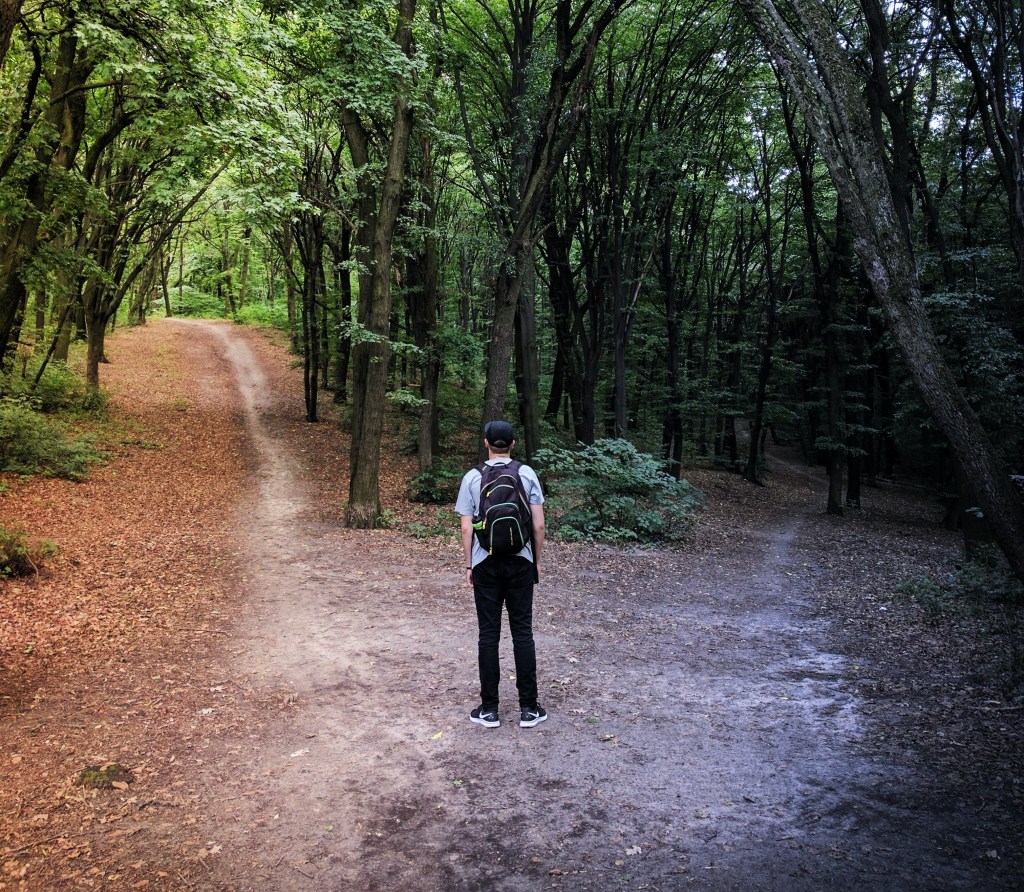
(Title image: Photo by Naser Tamimi on Unsplash)

Supermodel Elle Macpherson recently made the news with an interview with the Australian Women’s Weekly magazine when she revealed her breast cancer diagnosis.

She was diagnosed in 2017 (as I was!), so the fact that she’s here and talking about it suggests that her treatment worked.

But what was her treatment? According to the article, following diagnosis Elle consulted with 32 doctors (and experts, although it’s unclear in what) and ultimately decided to follow a holistic treatment path. In her own words, “an intuitive, heart-led, holistic approach”.

She decided to forego a mastectomy in favor of a lumpectomy (as I also did) but also dispensed with the conventional chemotherapy, radiation and hormone therapy (I went the conventional route).

So let me clarify some things here: Elle had the lump removed. If the cancer had not spread (which presumably it hadn’t) AND no rogue cancer cells had gotten out AND the surgeon confirmed “clear margins” upon excision of the tumor, it’s certainly possible that all evidence of the cancer was removed from Elle’s body with that surgery.

As we survivors know, everyone’s cancer is different. That’s why we discourage comparing tumors or offering advice. What works for one person may not for another because so much depends on the state of the individual…and probably on a lot of other factors that we are not even aware of, even with present day advances in cancer treatment.

Elle has even stated that her treatment is not for everyone. Who knows, she might have said this for legal reasons…because you can see what’s going to happen. While Elle, as a former supermodel, businesswoman, etc., might have access to whatever specialists and level of care she desires, most of us will not.

Do you feel lucky? Rejecting conventional cancer treatments in favor of clinically unproven ones can be a big gamble.
(Photo by Chris Liverani on Unsplash)

Elle asserted: “I want to help and encourage others to follow their heart and give things a go.” Sadly, when it comes to something as slippery as cancer, following our hearts is not always the best choice of action, no matter how much we want it to be.

My concern is that a newly-diagnosed breast cancer patient, fearful of the admittedly-harsh treatments that modern medicine offers, might decide to take Elle’s path (“she did it so I can too!”). But unless this person is independently wealthy or otherwise connected, they will have to cobble together a questionable plan with minimal support, and possibly fall prey to unscrupulous players looking to make a buck out of someone’s desperation.

And in these days of growing suspicion of science and the advice of doctors—brought on by pandemic-related missteps or perceived draconian measures—the chance of patients rejecting well-worn treatments is even more likely. Statistically, this would result in more lives lost to the disease.

When I made my own treatment choices, I didn’t go with the harshest stuff that my oncologist offered, opting for very effective (and, yes, cardiotoxic) Herceptin immunotherapy instead of lobbying my insurance to cover the even-more-effective (but even more toxic) Perjeta for my HER2+ cancer. I also had to cut my hormone therapy short by a number of years due to how it affected my ability to exercise, which has also been shown to have a strong effect on preventing cancer recurrence. These were measured choices, as it’s clear that Elle’s were.

At the same time, in the back of my mind I know I can’t say I did everything I could to blast my cancer into submission. But I do feel that taking everything into consideration, I did enough. My oncologist agrees.

As far as Elle’s treatment is concerned…I also did a number of things that she did, including meditation, exercise, therapy (our cancer center was very supportive of complementary therapies) and more. I cannot say how much conventional treatments vs. complementary ones contributed to my remission, but I assume each played a role. And the combination gave me peace of mind, which I would not have had, had I chosen only alternative therapies.

Ultimately, I hope we get to the point where we can eliminate the most toxic treatments and heal ourselves more gently. Ideally, we’d even prevent cancer. Huge strides have been made in cancer treatment, but we are not there yet. Every time we decline a proven treatment, we roll the dice. I’m hoping that Elle’s story does not unnecessarily put people with fewer resources at risk.

Remember: You’re in the Driver’s Seat

Since we’re halfway through October – Breast Cancer Awareness Month – this is a good opportunity to remind everyone who’s had a cancer diagnosis that you’re still in control.

That might be very different from what you’re feeling. The whole thing with cancer is the sense that your life is out of control. Even your most faithful ally, your body, seems to be out to get you, growing a tumor behind your back.

Does it feel like someone else is controlling everything in your life?

That’s to say nothing of how your weekly schedule gets highjacked with oncological appointments, radiation treatments and days recovering from chemo. Then there’s the onslaught of new medical terms, the many pills that you’re supposed to take, even the practically unpronounceable chemotherapy drug names (what kind of a suffix is “-ib”???).

If anything, this might feel like the most out-of-control time of your life. When you’re slapped with a difficult treatment plan, you want it all to stop, but your oncologist tells you, “we won’t let you skip an infusion or stop taking your medication.”

That sense of being forced to do something (especially when it’s unpleasant) can open the floodgates to a deluge of anxiety on top of the fear and frustration that you might already feel about your cancer treatment. No one wants to feel like they have no say in a matter that affects them so deeply and personally.

This life is yours…and so are decisions about your cancer treatment.

But remember this: you always have a choice. Even though your medical team might not be phrasing it that way, you are still in control.

Perhaps this tiny acknowledgement may relax some of that perceived pressure and actually make it easier to continue. Your cancer treatment choices remain yours to make, so allow that realization to help you to step back, get perspective and weigh your options. When you demand space for yourself, you have room to think and it’s easier to act in your own best interest.

So, breathe. You’re still calling all the shots.

And, hey, medical team: maybe stop being so pushy and remind those cancer patients that they get to make the decisions about their treatment and their lives. It would go a long way towards helping your patients feel better about their treatment plans, like they’re part of the team instead of a prisoner of their situation.

What Would You Like to Think About? – Visualizing a Positive Headspace

Some time back, I listened to a lovely guided meditation on the Insight Timer app by Emma Polette in which she instructed the listener to “feel how you want to feel”. I wrote a post about this because I thought it was a perfect morning exercise, one that helps train you to establish a sense of awareness of how much control you yourself have in how you feel.

Well, I wanted to revisit this concept but with a focus on thoughts, since so many of us deal with overactive minds.

Take a comfortable seat and think…what would you like to fill your head up with?

Find yourself a quiet spot and turn your attention to your thoughts. Regardless of how much brain chatter you’re currently experiencing, consider what you would like to be thinking about.

That’s it. Your mind may be cluttered with worries, but IF you could think about something pleasant and calming, IF that’s where your mind’s focus could be, what you be thinking about?

Allow yourself to sink into this. Maybe your mind would be focused on potential successes in your career, troubleshooting a problem that you haven’t had time to devote attention to? Maybe you would simply focus on the task at hand, without intrusive thoughts invading your headspace? Maybe you would sit quietly without feelings of self-blame or incompetence? Or imagine yourself breezing through a situation with a difficult individual?

Ah, headspace! There’s nothing more delicious than getting a nice big helping of perspective.

The act of asking ourselves what we would like to be thinking about requires us to take a step back and make space for it. The realization that we have the ability to decide what to think about unshackles us from our thoughts. The more we do this, the more we widen the gap between what we think and our concept of ourselves, making it easier to observe the thoughts before us rather than to be sucked into the torrent of images and feelings that course through our minds.

What we fill our minds with is so powerful in terms of affecting certain wanted outcomes. It is often during periods of mindfulness meditation that things I’ve forgotten come back to me, I realize solutions to problems or come up with useful ideas. That’s what a calm mind is perfect for.

And so often, people lament that things are not they way they want them to be. So why not use that opportunity to truly feel into and savor what your mindset would be if things felt good? And then, if it’s available to you, maintain that mindset.

What would you be thinking…and how would that feel? A sense of peace and self-confidence? Perhaps space, distance from negative thoughts.

Give it a try and see how it feels.

“Dropping Down”: A Meditation Analogy

One of my greatest obstacles to meditation is distraction. I’m particularly susceptible to having my mind wander off because of the drug tamoxifen that I’m taking for breast cancer, the side effects of which include difficulty with concentration and focus.

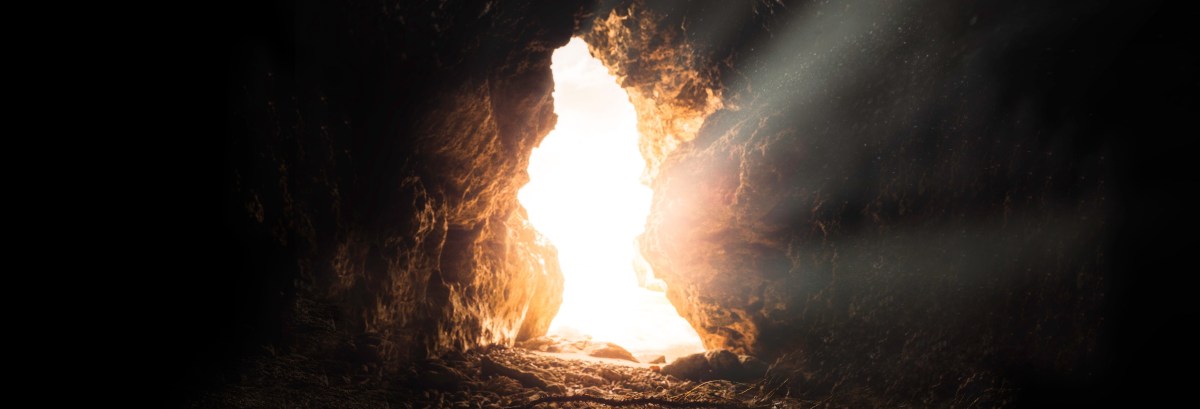
A wandering mind, however, is not limited to those with cancer medication side effects. If you meditate, you’re pretty much guaranteed to struggle with focus at some point. I use the analogy of a cave to describe what this feels like and how to deal with it.

I sit in a darkened cave, warm and comforting, the only light coming from a hole far up above, where the noisy world buzzes. There’s nothing wrong with that, but right now is the time to devote to my meditation cushion. I focus on my breath. As I sit, a thought emerges and I notice a rope hanging down from above. Before I realize it, I’ve grabbed hold of it and start climbing.

These thought-ropes are so tempting to grab onto, pulling us up and away from the meditation cushion.

The further I climb, the easier it is and the louder the world gets. My surroundings brighten, but I’m no longer meditating. I’m actively engaged in what’s going on up above, perhaps agitated, perhaps excited. I’ve lost track of my breath.

“Drop down,” I tell myself gently. And I slide down the rope, into the welcoming darkness below, until I find my place back on my cushion in this womb of Earth. One deep breath and I’m grounded again, calm and rooted.

I can’t stop what’s going on in the world above, but I can choose whether or not to climb a rope.

This experience repeats itself, like a flowing dance between the meditative breath and wandering attention. Another thought catches me and I reach for its rope, making my way back up swiftly.

“Drop down,” I tell myself again patiently. I let go and return to my place in the cave, surrounded by the supportive darkness. Another deep breath and I’m calm again.

So many thoughts, so many tempting opportunities to climb out of my cave too soon. Some days, I swing from rope to rope, only hovering over my cushion, never quite managing to ground myself. On other days, it’s easier and the path to a peaceful meditation session is straightforward. The darkness of the cave soothes me and reminds me that I am safe, and that I can choose whether or not to cling to a thought.

My distraction is a constant, but that doesn’t matter as long as I can drop back down. And I can always drop back down.