Over the last week or so, there have been a number of news articles focused on Catherine, Princess of Wales, who has been talking about life after finishing her cancer treatment.
She is officially in remission from her unspecified cancer, having completed chemotherapy. However, in a conversation on July 2 with hospital patients, staff and volunteers at Colchester Hospital in Essex (in southeast England), the princess noted that there was still more to endure once she was past her cancer treatment.
This is summed up from an article in USA Today (and numerous other outlets):
Wow, this is so relatable! I’m grateful that Kate is discussing life after cancer treatment, especially because she’s a highly public figure.
Many cancer survivors have experiences similar to Kate’s, particularly those, such as breast cancer survivors with hormone-positive cancers, who continue to take “maintenance” medications like tamoxifen and aromatase inhibitors. While many patients expect chemotherapy and radiation to be tough, they are often not prepared for the side effects associated with endocrine treatments that are prescribed to be taken for years after finishing everything else.
Princess Kate breaks with royal protocol in speaking frankly about the struggles following the end of cancer treatment. (Video from TODAY)
But even without endocrine therapy, many cancer survivors are left with long-lasting side effects of varying severity. Some may be truly life-changing. Most of them will prevent a return to “normal” as we used to know it.
That normal, however, is what others may be expecting of you. Or you might expect of yourself. And that’s tough. Kate mentions the importance of reaching out for professional support if it is especially difficult to manage the phase following treatment, and I concur 100%.
Because it’s not simply the side effects…it’s the frustration that we feel with having the side effects linger. Or even the reactions of loved ones who don’t understand why things aren’t back to how they used to be. There is a grieving process associated with the loss of our previous lives that those around us may not appreciate, so I’m glad that Princess Kate is using her position to bring this out into the open.
But I remember “life before cancer” and it felt different. There was a feeling that there was so much life left to live, so many plans still to execute.
I felt bulletproof. My own primary care doctor was impressed that I’d made it through so many years without ever having a major surgery (or any surgery, for that matter). I was looking foward to my future. My workouts were still tough and vigorous and I felt like I was going to age well.
Most importantly, life had a certain magic to it. It felt multidimensional and filled with possibilities, and even with the challenges that I’d had to face, I had hope that things would always get better.
Then I got hit by the locomotive that is cancer and everything ground to a halt. My world went gray and all those plans that I had for “the rest of my life” fell away as all my energy was focused on surviving the diagnosis, surviving chemo…and I didn’t see much past that.
For quite a while after diagnosis, I’d felt like I’d been tossed out by the side of the road. (Photo by Sven Brandsma on Unsplash)
Emotionally, my life felt like a void. I was too afraid to even let hope in because of the fear of having it dashed to pieces.
It was like being out in the wilderness and calling for help but receiving none, not even an echo. Spiritually, it was the loneliest that I’d ever been.
I was no longer on the highway of life. I was sitting in the breakdown lane.
Forgive me if this sounds melodramatic. All my ‘anxiety chickens’ had come home to roost, so to speak. And I wasn’t handling it well.
I dragged myself around treatment like this…although about two weeks before my cancer surgery, I had started mindfulness meditation, encouraged by my radiation oncologist who suggested it as a non-pharmaceutical way of dealing with anxiety.
It was that little ‘peep’ of mindfulness that had I clung to, terrified, in the beginning, not really sure whether or not it was helping. But at least it was something warm at a point when I felt cold and abandoned.
I can honestly say that mindfulness and meditation were what gave me back the strength to persevere through tough times. (Photo by Robin van Holst on Unsplash)
As time went on and I stubbornly refused to miss a day of meditation, that little break in the clouds became bigger. In this case, my obstinance was a blessing. Somewhere in the last almost-eight years, not even sure exactly when, something changed.
The fear and loneliness and bitterness crumbled away. Noticing how things were right now, how beautiful the world was when I chose to appreciate it, helped pull me out of the funk.
In our darkest moment we find our greatest strengths. I wish it weren’t like that, I wish there wasn’t a need to hit lowest lows in order to get the biggest spring back up. But I can say that if my life even before cancer had been easier, I would not have experienced the richness of existence as I do now.
Not everything is okay. In many ways, things are even harder and more frightening. But I can accept that and not feel bitter. My expectations have softened and I pause more often to ground myself, to notice that at this moment, I am safe.
I’ve been writing a lot lately about using yoga to mitigate cancer therapy-related side effects.
In this post, I want to bring your attention to the white paper entitled, “Yoga Interventions for Cancer Patients and Survivors” [Important: this links to the download page on the yoga4cancer website, *not* directly to the pdf itself]. It’s an evidence-based review of research regarding the benefits of a yoga practice in coping with negative side effects that afflict cancer patients and survivors, followed by recommendations for teaching yoga to this population.
The white paper is written in non-technical language, distilling the research down into a form that doesn’t require a scientific background to understand. Additionally, editions are available in Spanish and Japanese, both available on the download page beneath the English version.
If you’d rather not download, you can read the English version below (or click the “download” button underneath the paper for a pdf):
I’ve been coming across a lot of interesting–and hopefully useful– videos. The one I’m posting here is presented by the nonprofit Fund for Sustainable Tomorrows and the American College of Sports Medicine, the latter being the organization through which I received my personal trainer certification almost 16 years ago.
This is a 20-minute film with a hopeful message!
The film, narrated by former Olympic figure skater and cancer survivor Scott Hamilton, showcases the stories of how survivors are using exercise to make themselves feel better and increase their chances for survival. It also shows how our knowledge about physical activity’s benefits during cancer treatment has increased, and the programs that have been created to help cancer patients become and stay active.
It’s amazing to see how within a decade or two the attitude about cancer and exercise has changed. Whereas individuals undergoing cancer treatment used to be told to rest as much as possible, now it’s understood that exercising through your treatment is one of the best ways to not only minimize associated side effects but also decrease the chances of cancer recurrence.
For me, exercising during my treatment was a way to feel normal when everything else felt out of control.
The current recommendation is aerobic activity for 150-300 minutes per week along with twice weekly resistance training sessions. And it’s best to do both types of exercise for a well-rounded program, if you can manage it.
But the most important thing to remember is that no matter what you do, doing something is better that doing nothing. Research has discovered the existence of myokines, hormones that are produced in the tissue of skeletal muscles. They are released during muscular contractions and seem to have anti-cancer properties, slowing cancer growth and spread. That is very exciting news!
Of course, exercise is not a cure, and there is no guarantee that if you are an avid exerciser you won’t get cancer or won’t have it recur. However, there’s a very good chance that physical activity will make you feel better and help you continue with life-saving treatments.
As E. Ronald Hale, MD, MPH, Medical Director of Radiation Oncology at Kettering Health states (from the video), “The best cancer treatment in the world is useless if you can’t get through the cancer treatment.” The side effects from cancer therapies can be debilitating, but getting out and moving will improve your quality of life and help you finish your treatment.
~~~~~~~~~~~~~~~~~~~~~~~~
It’s worth mentioning that the number of exercise professionals who have had additional training in working with cancer patients is growing, which means that cancer-informed trainers and yoga teachers are becoming easier to find. Now it’s the insurance companies that need to get on board.
If you needed yet another reason to turn to meditative exercise practices in the course of cancer treatment, here it is.
A recent, unpublished study that was presented at the 2023 ASCO (American Society of Clinical Oncology) Quality Care Symposium, entitled “Virtual Mind–Body Fitness Classes Show Unexpected Benefit in People with Cancer” (Mao et al., 2023), examined the effects of virtual mind-body fitness classes on visits to urgent care or unplanned hospitalizations for cancer patients who were in active treatment and were dealing with moderate or greater fatigue.
While mind-body practices are already recommended for cancer patients to help deal with the symptoms of treatment and its emotional fallout, the results of this study illuminated specific benefits. Those patients who had been assigned to the group given access to virtual live mind-body and fitness classes (called Intergrative Medicine at Home, or IM@Home) had fewer hospitalizations and shorter hospital stays, in addition to fewer visits to urgent care, compared to those subjects who were only given access to pre-recorded online meditation resources (Enhanced Usual Care, or EUC).
It’s not surprising that mindfulness benefits cancer patients, although it’s striking how those benefits manifest themselves.
This study was run at the renown Memorial Sloan Kettering Cancer Center (MSKCC) with 200 cancer patients randomized into the two groups (IM@Home and the stan, which makes the design more solid and increases confidence in the results. Nonetheless, as the lead author Dr. Jun Mao (Chief of Integrative Medicine at MSKCC) stated in the National Cancer Institute’s Cancer Currents blog, “I do want to caution that the current trial was designed as an early-phase trial, so we would like to do a larger study with longer follow-up to confirm our results before we are completely confident in the findings.”
A larger study is currently in the works. Dr. Mao would like to explore whether these classes help patients follow through on their treatment plans, and if so, whether these patients also live longer.
The IM@Home group’s classes included a variety of classes (again, quoted from Cancer Currents blog): “Some of the classes taught participants movement-based activities such as yoga, tai chi, and dance therapy; other classes taught meditation-based practices, such as music therapy and mindfulness.” It is already known that exercise during cancer treatment can reduce fatigue, but the researchers felt that part of the success of this study was due to the participants’ ability to choose the level of exertion based on how they were feeling at the time of the class.
Looking forward to further research on the ways that we can support cancer patients physically, emotionally and spiritually!
As Dr. Mao pointed out, more directed research on this must be done before drawing specific conclusion, but this was a very valuable pilot program, the results of which would not surprise those of us who have made use of various exercise modalities, particularly those with a mind-body angle, for calming ourselves during our cancer journeys.
The more this subject is studied, the greater the chance that cancer centers focusing on whole-patient treatment will be offering such classes to their patients. COVID taught us that there are ways to make classes accessible to people with limited mobility or conditions that may prevent physical travel to classes.
While I believe that attending mind-body oriented classes in person is ideal, this study illustrated that even virtual opportunities can have significant benefits for the patient.
It’s worth pointing out that of the 200 study participants, 91% were female and 77% were white. That is not a diverse spread and reflects the typical clientele at your average yoga studio (based mainly on my personal observations), with the exception being that the average age of these study participants was 60 years. I would be willing to bet that less-represented groups would benefit greatly from the stress relievers offered here and I hope that the researchers expand their subject pool to balance out the participants in their future study.
Regardless, these are intriguing results that underscore the important of mind-body focused classes, and exercise in general, in the well-being and improvement of cancer patients. This study joins a growing list of research that is changing the way that we look at managing cancer treatment side effects.
Research Study Abstract Mao, JJ et al., Effect of virtual mind-body fitness program on reduction in unplanned hospitalizations among patients undergoing active cancer treatments: A pragmatic randomized clinical trial, presented at 2023 ASCO Quality Care Symposium, October 28, 2023: https://meetings.asco.org/2023-asco-quality-care-symposium/15514?presentation=227485#227485 (note: click on “Abstract 473” on right side panel for abstract text)
With as much sophisticated research as has been done on cancer, it still remains a confounding disease and much of the treatment may seem to be, for lack of a better word, medieval.
So it shouldn’t seem surprising that cancer patients also reach out for less conventional therapy to help themselves through the treatment process.
First, a clarification of terms used in this post:
Acupuncture is utilized as a non-standard treatment (for those who can take more poking)
Conventional medicine: chemotherapy, radiation, surgery, immunotherapy, etc., prescribed by your medical team.
Complementary medicine: non-standard treatment used in conjunction with conventional treatment; also called Integrative Medicine.
Alternative medicine: non-standard treatment used instead of conventional treatment.
Therefore, generally speaking, what distinguishes complementary from alternative medicine is whether it’s used with standard medical treatment.
According to a study (Crudup et al., 2021) that was presented at the 2021 Annual Meeting of the American Society of Clinical Oncology (ASCO), 73% of breast cancer patient participants stated that they employed complementary therapies in their treatment. However, while oncologists were supportive of such therapies, they were not aware of the extent to which their patients utilized them and thought that only 43% of their patients did.
Patients get more benefit from spiritual practices than most oncologists realize
Furthermore, oncologists felt that counseling, support groups, exercise, etc. were the most effective non-standard therapies, in contrast to patients who found great benefit in meditation, mindfulness and spiritual practices. While two-thirds of both patients and oncologists felt that complementary medicine improved quality of life, a majority of patients also felt that it improved their outcomes.
Wayne Jonas, MD, a co-author of this study, says: “Cancer is a complex disease that affects every component of a patient’s life. While conventional medicine is effective for curing disease, it can fall short in helping patients heal. Patients are turning to these therapies to look for hope and to improve their quality of life and well-being after diagnosis… .”
What types of therapies do these include? The website “Cancer Health” provides examples of some complementary treatments (see here for an explanation of each):
Acupuncture Aromatherapy Art Therapy Biofeedback Cannabis Herbal Therapies Labyrinth Walking Massage Meditation Music/Dance Therapy Qigong Spirituality Tai Chi Traditional Medicine (Ayurvedic, Chinese, etc.) Vitamins and Supplements Yoga
[This list is by no means exhaustive.]
I used a number of these complementary therapies myself and can attest to the important role they played in my recovery. As Dr. Jonas points out above, conventional treatments “can fall short in helping patients heal” [emphasis mine], whereas non-standard therapies seem to focus on that aspect.
I believe that these additional therapies, particularly more spiritual ones, are what give us hope throughout the cancer experience. Patients should be encouraged to seek out additional, complementary therapies to help themselves move through treatment, fully supported by their oncologists and ideally also guided by them.
Did you rely on complementary or alternative treatments to help you through your cancer journey?
~~~~~~~~~~~~~~~~~~~~~~~~~~~
REFERENCES
Original Research
Abstract for presentation:
Crudup et al. (2021) Awareness, perceptions, and usage of whole person integrative oncology practices: Similarities and differences between breast cancer patients and oncologists. Presented at 2021 Annual Meeting of the American Society of Clinical Oncology (ASCO), https://meetings.asco.org/abstracts-presentations/200685
Cancer, perhaps more than any other disease, has a formidable reputation that precedes it. Because of this, cancer “lore” can affect your expectations of treatment effects and anticipated prognosis if you are unfortunate enough to receive a diagnosis.
There were a number of things that I didn’t realize about breast cancer that might have made my experience, if not better, at least slightly less harrowing. Here are a few of them, in no particular order:
1. Breast cancer research remains more highly funded than that any other cancer(source: 2019 Northwestern University estimate) and is therefore the best-studied type of cancer. As a result the treatment plan is solid. While this does depend somewhat on the type of breast cancer you have (Triple-Negative, Triple-Positive, Hormone Receptor-Positive, Inflammatory, etc.), the fact remains that there is great interest in “saving the boobies”.
We are living in an era where research in breast cancer is churning out valuable findings at a break-neck pace.
Your treatment plan has likely been well-tested with ample positive outcomes. Combine this with the tendency for this cancer to be diagnosed at earlier stages due to the relative ease in finding a tumor (I mean, you can feel the lump even if it’s not very big), survival rates tend to be very good. Understandably, that might not be very comforting at the time that you’re hit with the news that you have breast cancer, but it is a blessing that you’ll appreciate later.
2. Getting breast cancer is not your fault. I struggled with this one for a loooong time. If you’ve read some of my earliest posts, you know that I not only had a hard time getting my head around my diagnosis, but also a lot of anger about everything I did that was considered “protective” that seemed not to make any difference.
The reality is, as much as we do know about cancer, there’s still a lot we don’t, which means you can be doing everything right — even “perfectly” — and still be diagnosed with breast cancer.
The message I got from cancer-prevention campaigns was that there was so much you could do to avoid the disease. I checked off all those boxes and thought that I was at very low risk. I was “the fit one”, the vegetarian, a dutiful breast-feeding mom allowing myself no indulgences — the last person you’d imagine this happening to, but it did.
I felt ashamed about the diagnosis, even feared that I would be accused of lying about my healthy habits. I was terrified that my healthy lifestyle had somehow backfired. While this sounds ridiculous now, feeling so out-of-control about my own health was demoralizing and depressing.
3. A healthy lifestyle goes a long way in making recovery easier. While I felt dejected about not being able to avoid breast cancer, my exercise and dietary habits helped me recover from treatment side effects faster and not gain weight afterwards. And as I learned later, by maintaining an active lifestyle, I was significantly decreasing my chances of cancer recurrence. I wrote about those findings in this post.
So all my efforts were not for naught. Word to the wise: if you don’t exercise regularly, start now. If you do exercise, keep going!
In the darkness I found a little light.
4. There is light in dark places. I must stress that cancer isn’t some “great” thing that happens to you and it carries with it big side effects and an ever-present risk of death. I lost two friends to breast cancer who were both diagnosed about the time that I was and they were far too young to die.
But given that I had to go through this, I had the option of “sink or swim” when it came to how I would view my experience. Eventually I found the light in the darkness of the cancer tunnel, but it did take a number of years and many ups-and-downs before I was able to appreciate the lessons that the disease taught me: being able to accept and live with uncertainty, identifying a clear purpose in my life, finding gratitude in small things, even coming to grips with my own mortality. These lessons were difficult but also valuable, and I admit that I wouldn’t have learned them if I had not gotten cancer.
Perhaps some of the most important of these were identifying that I had suffered from anxiety for a good part of my life and understanding how it had shaped my decisions. Yes, it took cancer for me to realize all that! This led to incorporating mindfulness and meditation into my daily routine.
So, as I’ve written about in previous posts (here and here) there’s this thing called ‘chemo brain’, and contrary to what you might find when you google it, it doesn’t necessarily go away after you finish cancer treatment. It also has a longer name: Cancer-Related Cognitive Impairment (CRCI).
This can be particularly frustrating for those of us who are expected to perform “as before” (meaning, prior to getting cancer) and yet increasingly fall victim to distractions, searching for words, forgetting things as soon as we’re told them, and in general, wondering whether we’ve now come down with a mix of dementia and ADHD.
You’ll need more than a bouquet of forget-me-nots to navigate post-cancer issues like CRCI. Classes like MAAT can help.
There is help, however, and it’s arrived in the form of a class called Memory and Attention Adaptation Training (MAAT). I had the opportunity to take this 8-week class in Fall 2022 and it recently concluded.
The class is intelligently put together, first showing students the science about what they are experiencing (and that it’s not early-onset dementia!), and then over the next two months, teaching tricks and techniques for helping navigate the new landscape of CRCI.
This includes learning stress management techniques, improving sleep and pacing oneself, making self-care a high priority. But the majority of the class was devoted to learning how to use methods such as rehearsal/repetition, situational awareness, scheduling, distraction reduction, active listening and imagery. These help us maintain focus and retain information while reducing overwhelm.
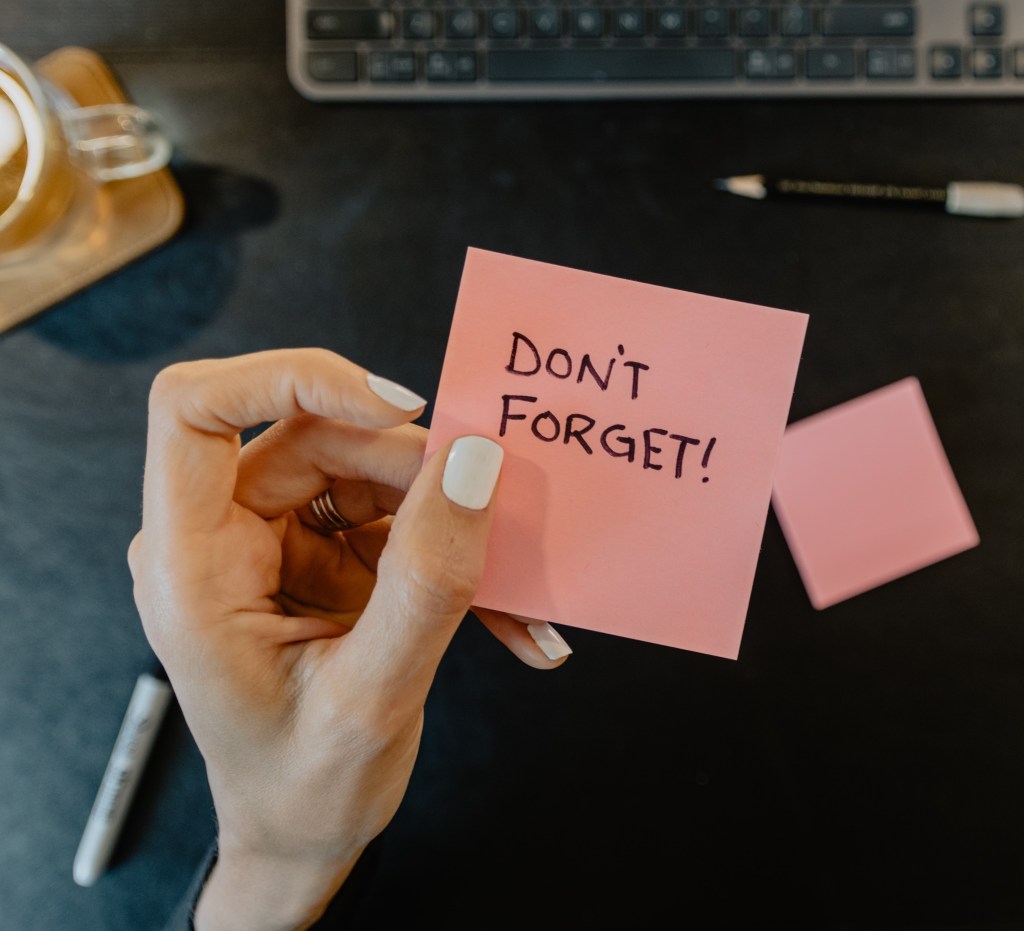
It takes more than littering your desk with post-it notes. We need to create an environment that supports memory storage and distraction reduction.
I took the class through SHARP Hospital in the San Diego, CA area as part of their second cohort. It was taught by a clinical oncology social worker (herself a breast cancer survivor) and a speech pathologist, and their expertise made the class even more worthwhile. While the first cohort was in person, we in the second cohort had the benefit of taking the class via Zoom, which helped with accessibility, especially for those of us who are still working.
And a number of us there were already about 3-5 years out of treatment, which dispells the notion that chemo brain only lasts during treatment. Our cohort members’ ages ran the gamut from early 30s to well into retirement, illustrating that CRCI can show up in any cancer survivors regardless of age.
Realizing that this is affecting many more people that have been reporting symptoms, the SHARP Health Care system has opened the classes to individuals in other health systems in the San Diego area.
No matter where you live, if you are a cancer survivor experiencing some form of cognitive impairment, I urge you to 1) tell your oncological team (They need to know this is happening!) and 2) ask them about the availability of MAAT classes in your region. MAAT is not currently being offered widely, so please make your needs known so that this service can be expanded to those who need it.
~~~~~~~~~~~~~~~~~~~~~~~~~~~~~~~~~~~~
Curiously enough, one of the first assignments we had in the MAAT class was to work with gratitude – yes, it really does help! Such a perfect practice to begin at this time of the year! Happy Holidays to all! ❤
Many of us who have lived through early stage breast cancer with lumpectomy surgery have also gone through radiation treatment.
If you’ve been there, you know the drill: 4-6 weeks of daily radiation sessions. Each one is relatively short, but there’s the time involved in getting there, changing into a gown, waiting for your turn, having the treatment, changing back into your clothes and getting back home (or work or wherever else you need to be).
And this happens every single day, five days a week, for weeks. You get to know your radiation therapists very well. And they get to see your breast over and over again. It goes on and on and on.
Closing the book on cancer treatment is a great feeling. And making radiation even shorter? Yes, please!
Women who have an elevated risk of having the cancer recur at the tumor site are usually given an additional “boost” of radiation to that area. This takes place after the initial weeks of radiation, extending the length of treatment. However, researchers discovered that this boost could be given concurrently, thereby shortening the number of weeks that patients had to undergo radiation without compromising its effectiveness.
From the perspective of a patient, this is very welcome news. Setting aside time every day of the week to make the trip to the cancer center for treatment only works if your other responsibilities are flexible. I was working part-time during this, had access to a car, could get to the cancer center quickly and could be done in time to pick up my kids without too much of a problem. My bosses were extremely understanding and gave me the latitude I needed to complete my treatment with a minimum of stress.
For many, however, this might not be the case. Being able to shorten the overall treatment time could be critical in helping patients finish all their sessions.
It is heartening to know that as cancer treatments evolve, they become much easier to incorporate into our everyday lives. I am hopeful that the changes that come about over the next 10 years will provide even more options for successful completion of treatment with a greater survival rate for all.
Note: the results of the referenced clinical trial were presented on Oct 24, 2022 at the American Society for Radiation Oncology (ASTRO) annual meeting in San Antonio, Texas with Frank Vicini, MD as the study leader. My expectation is that more information will be published and I will try to post it here once it is.
After a few years of wondering what the heck is going on with my head, I joined a Memory and Attention Adaptation Training (MAAT) class generously provided by my cancer center (which I’ll be posting about on a later date).
This is gratifying on two levels: first, that I can learn new strategies for dealing with the memory issues and distractibility that have been plaguing me since finishing breast cancer treatment five years ago; and second, and perhaps more important to me emotionally, that what I am experiencing is REAL. It’s officially termed Chemotherapy Related Cognitive Impairment (CRCI) or, informally, chemo brain.
I’ve been told that “you’re imagining this” (I’m not) or “you’ve always been like this” (I haven’t) or “just focus harder” (I AM!!!) or even “this is just an excuse” (Argh! No!), coming from people who have been annoyed by my memory lapses.
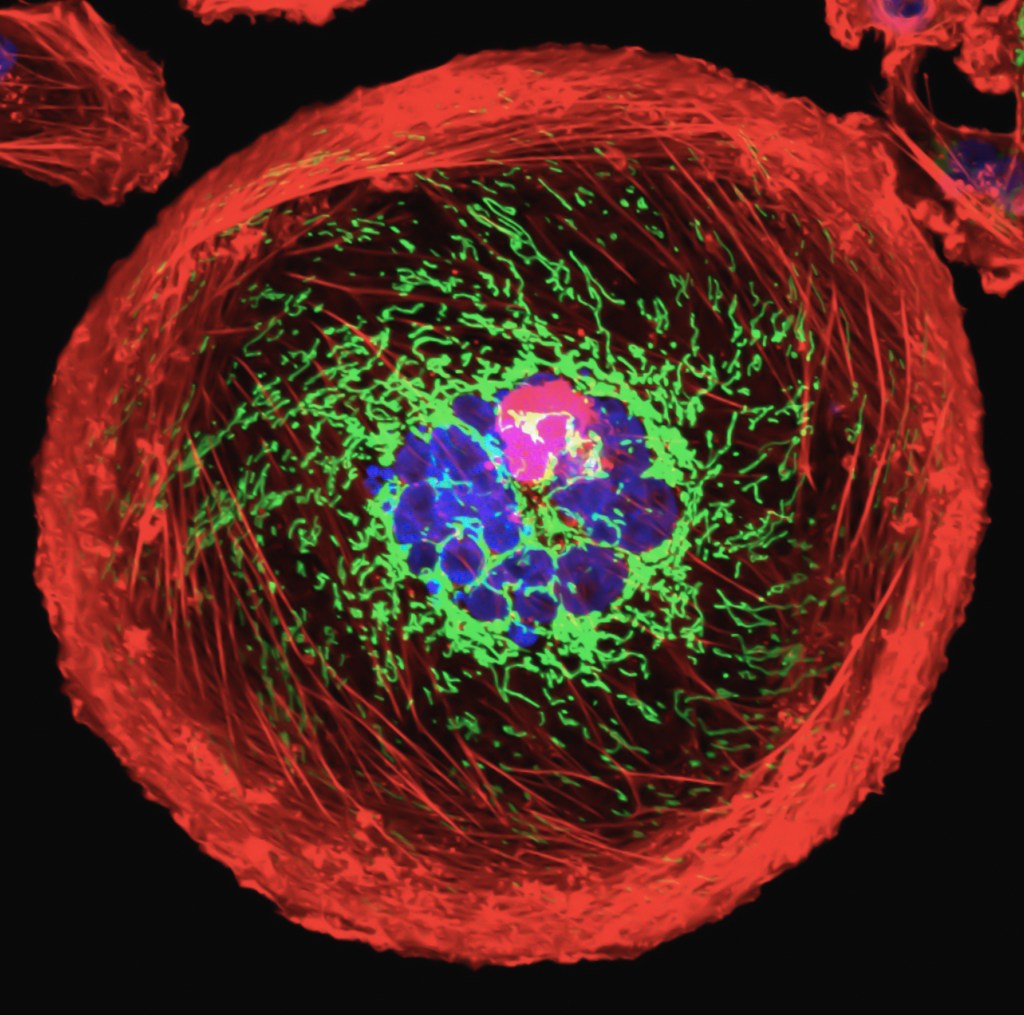
Chemo brain spends a lot of time just wandering around without an idea of how to get anywhere.
My brain isn’t lazy. As a matter of fact, it’s the opposite problem. My brain is too busy.
In the MAAT class, we learned of a study from the University of British Columbia (UBC) by Kam et al. (2016, Clin Neurophysiol) that examined what happens inside those brains that suffer cognitive impairment from cancer treatment, even years later. In that published study, the experimental group consisted of nineteen breast cancer survivors. All had undergone chemotherapy for early stage breast cancer and had subsequently self-reported cognitive issues.
Researchers at UBC compared these survivors against twelve (non-cancer) control subjects in a task that required sustained attention. All the participants’ brains were monitored via electroencephalogram (EEG) both while working on the task and while at rest.
The results were vindicating for me and, I’m sure, for others experiencing this. Normal brains cycle through periods of focus and periods of “wandering”. However, as the UBC researchers stated in a summary of their results (published here): “We found that chemo brain is a chronically wandering brain, they’re essentially stuck in a shut out mode.”
This was true even when the breast cancer survivors thought that they were focusing. Furthermore, the survivors’ brains exhibited activity even when they were instructed to relax.
Great. We know that chemo brain is an undeniable fact for some cancer survivors and can last for years — in this study, up to three years. However, for me and some of the people in my MAAT class, it’s been five years and we’re still dealing with this, which is frustrating. What can be done about it?
When anxiety and chemo brain collide, you get a confused goat tangled up in a rope. That would be me.
It won’t come as a surprise — anxiety makes everything worse, and that holds true for chemo brain too. As mentioned above, I’ll discuss this in greater detail in a later post, but basically, a main focus of the MAAT class is learning to handle stressors in an effort to relieve anxiety.
So now that I know that what I’m experiencing is a real thing, a large part of combatting it is what I’m already trying to do — mindfulness, meditation, yoga and similar sensible self-care. And while it might seem aggravating that even with all that practice I’m still dealing with this, I’m actually bouyed by the fact that every bit of mindfulness helps. The reality is, I’ve made a monumental amount of progress from where I was when I started, five years ago.
And that keeps me going. Where would I be if I wasn’t trying?
The published study: Kam JWY, Brenner CA, Handy TC, Boyd LA, Liu-Ambrose T, Lim HJ, Hayden S, Campbell KL (2016) Sustained attention abnormalities in breast cancer survivors with cognitive deficits post chemotherapy: An electrophysiological study, Clinical Neurophysiology, 127, 369-378. https://doi.org/10.1016/j.clinph.2015.03.007 Please note that the above study is not available free online at this time. For a pdf free of charge, contact one of the authors (email address next to their name at link above) or your local university library. Due to copyright issues, I am unable to distribute the full document myself.