Things I Wish I’d Known About Breast Cancer, Part 1

Cancer, perhaps more than any other disease, has a formidable reputation that precedes it. Because of this, cancer “lore” can affect your expectations of treatment effects and anticipated prognosis if you are unfortunate enough to receive a diagnosis.

There were a number of things that I didn’t realize about breast cancer that might have made my experience, if not better, at least slightly less harrowing. Here are a few of them, in no particular order:

1. Breast cancer research remains more highly funded than that any other cancer (source: 2019 Northwestern University estimate) and is therefore the best-studied type of cancer. As a result the treatment plan is solid. While this does depend somewhat on the type of breast cancer you have (Triple-Negative, Triple-Positive, Hormone Receptor-Positive, Inflammatory, etc.), the fact remains that there is great interest in “saving the boobies”.
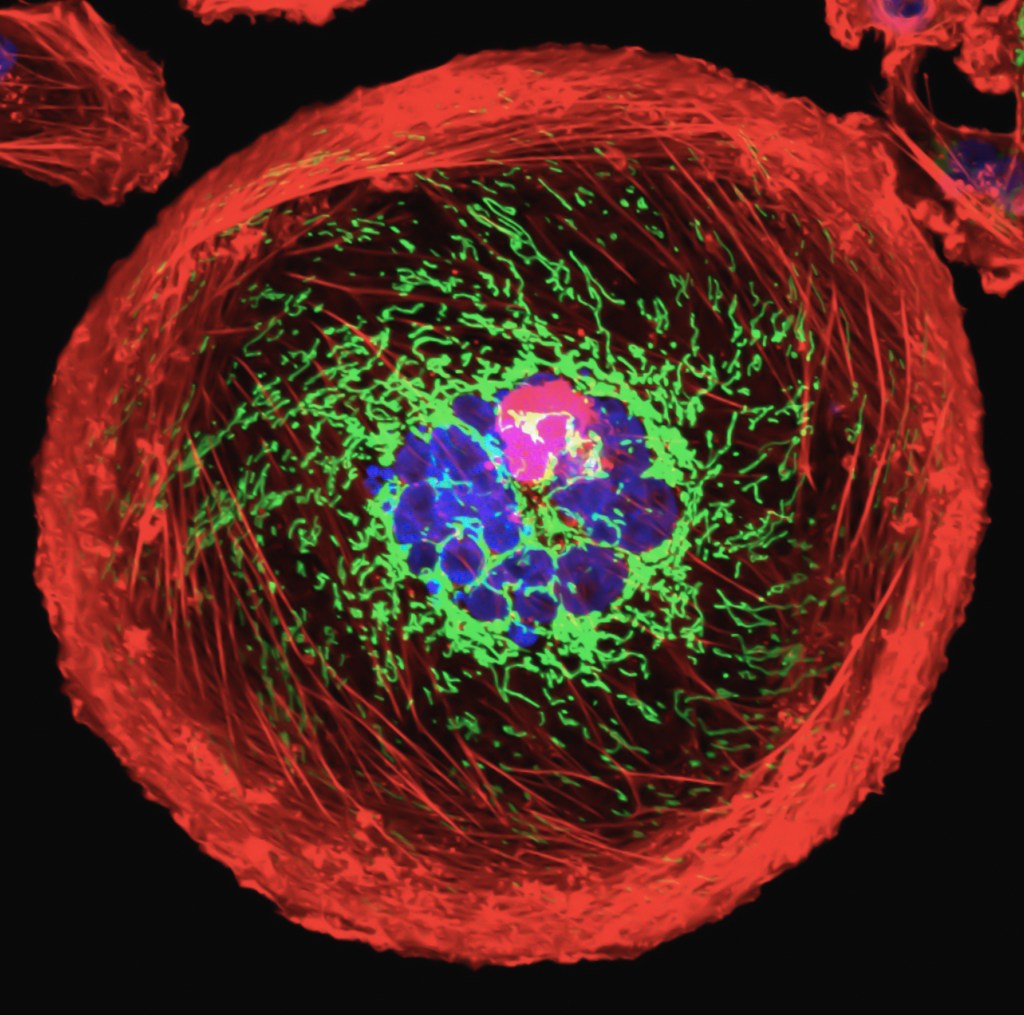
We are living in an era where research in breast cancer is churning out valuable findings at a break-neck pace.

Your treatment plan has likely been well-tested with ample positive outcomes. Combine this with the tendency for this cancer to be diagnosed at earlier stages due to the relative ease in finding a tumor (I mean, you can feel the lump even if it’s not very big), survival rates tend to be very good. Understandably, that might not be very comforting at the time that you’re hit with the news that you have breast cancer, but it is a blessing that you’ll appreciate later.

2. Getting breast cancer is not your fault. I struggled with this one for a loooong time. If you’ve read some of my earliest posts, you know that I not only had a hard time getting my head around my diagnosis, but also a lot of anger about everything I did that was considered “protective” that seemed not to make any difference.

The reality is, as much as we do know about cancer, there’s still a lot we don’t, which means you can be doing everything right — even “perfectly” — and still be diagnosed with breast cancer.

The message I got from cancer-prevention campaigns was that there was so much you could do to avoid the disease. I checked off all those boxes and thought that I was at very low risk. I was “the fit one”, the vegetarian, a dutiful breast-feeding mom allowing myself no indulgences — the last person you’d imagine this happening to, but it did.

I felt ashamed about the diagnosis, even feared that I would be accused of lying about my healthy habits. I was terrified that my healthy lifestyle had somehow backfired. While this sounds ridiculous now, feeling so out-of-control about my own health was demoralizing and depressing.

3. A healthy lifestyle goes a long way in making recovery easier. While I felt dejected about not being able to avoid breast cancer, my exercise and dietary habits helped me recover from treatment side effects faster and not gain weight afterwards. And as I learned later, by maintaining an active lifestyle, I was significantly decreasing my chances of cancer recurrence. I wrote about those findings in this post.

So all my efforts were not for naught. Word to the wise: if you don’t exercise regularly, start now. If you do exercise, keep going!
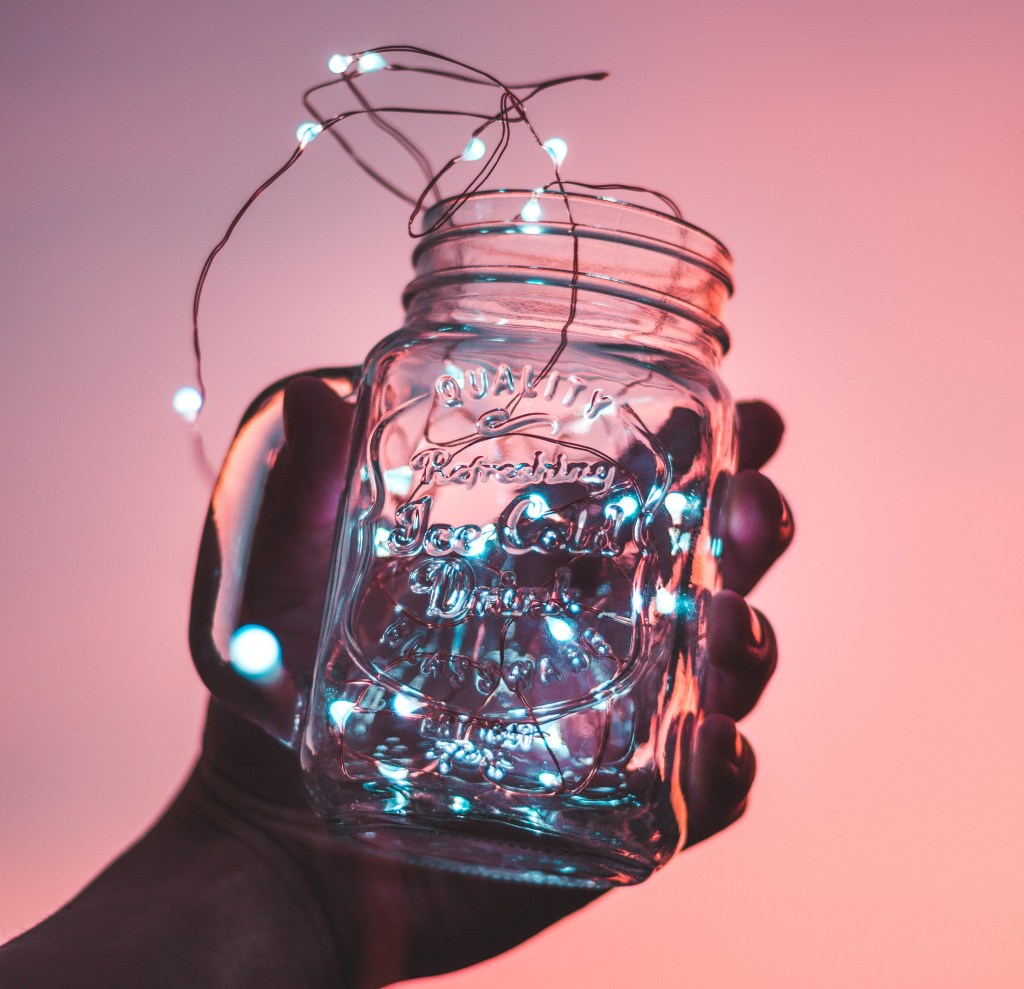
In the darkness I found a little light.

4. There is light in dark places. I must stress that cancer isn’t some “great” thing that happens to you and it carries with it big side effects and an ever-present risk of death. I lost two friends to breast cancer who were both diagnosed about the time that I was and they were far too young to die.

But given that I had to go through this, I had the option of “sink or swim” when it came to how I would view my experience. Eventually I found the light in the darkness of the cancer tunnel, but it did take a number of years and many ups-and-downs before I was able to appreciate the lessons that the disease taught me: being able to accept and live with uncertainty, identifying a clear purpose in my life, finding gratitude in small things, even coming to grips with my own mortality. These lessons were difficult but also valuable, and I admit that I wouldn’t have learned them if I had not gotten cancer.

Perhaps some of the most important of these were identifying that I had suffered from anxiety for a good part of my life and understanding how it had shaped my decisions. Yes, it took cancer for me to realize all that! This led to incorporating mindfulness and meditation into my daily routine.

And that is a very positive thing indeed.

Weighing on My Mind: Not the Scale Again!

Anyone who’s been through cancer knows that the experience is not just about the cancer. The entire journey involves much more, revealing even the little anxieties that had been tucked away in dark corners.

One of those for me was that I was constantly put on scales. EVERY single doctor’s visit, I was weighed. And I hated it.

It’s worth mentioning that I don’t have what most people refer to as a “weight problem”. Unless, that is, you mean being exceptionally diligent that I not put on weight. For me, weight was tied to self-worth, and in my perfectionist view, I was driven by fear of shame to keep my weight down.

At every single (frequent!) oncologist visit: “Step on the scale and I’ll get your weight.”

Ironically, the positive side effect of this was that I became very interested in exercise and healthy eating, and that has served me well. But of course, it took a long while for all of this to shake out into a truly healthy mentality, and particularly in my teens and early 20s, my mindset was not the healthiest.

By my 50s, however, I had a great relationship with my active, healthy lifestyle.

And then I got cancer.

And all of a sudden, hospital scales were all over the place, and even not being overweight, I sweated the weigh-ins. I sweated them when I first went to see my doc about the lump, when my weight started plummeting even before my first chemo infusion (hello, uncontrolled anxiety) and when post-infusion I was retaining water and my weight crept up.

I could write an entire post (or several!) about how, while I religiously weighed myself twice a week at home, I had intentionally put off several doctor’s visits over the years NOT because I was 10-20 pounds over a reasonably healthy weight…but because I was about three pounds higher than I felt I should be. Those three or four pounds would have disappeared on my 5’11” athletic frame, but that was beside the point.

There was an “acceptable” number and I wanted to make sure I was there before heading to the doctor.

The number of cancer visit weigh-ins was staggering. Every.single.time I saw the doctor (which was a lot), I had to hop on the scale. I would purposefully not drink very much water or eat less beforehand. It DID NOT EVEN MATTER that we were dealing with a life threatening illness. I absolutely hated getting weighed in a doctor’s office and I hated what the scale meant to me – that I was somehow never good enough.

Since adopting a spirit of mindfulness, my perfectionism has softened and I no longer abhore the weigh-ins like I used to.

I had internalized that belief.

Gradually, the number of weigh-ins decreased. It was as if a pot that was at full boil slowly simmered down. My mindfulness practice showed me not only that anxiety was not a helpful reaction to a stressful situation, but that the slight weight fluctuations that I obsessed about weren’t apparent to anyone else. Nonetheless, I had taken them to be indicative of yet another way that I felt I had fallen short of the person I “should have” been.

And that helped me understand and begin to deal with those unreasonable and even meaningless expectations I had of myself that were still lurking in the shadows.

So now, when it’s time to go to the doctor, do I fret the scale?

Well, I still feel that twinge because it’s a deeply-ingrained habit, but now I understand where that twinge comes from. And once I get off the scale, I forget about it and go on with my day.

It Took Cancer to Teach Me Self-Compassion

One thing I’ve had trouble with is expressing self-compassion. When you’re a driven perfectionist it’s easy to believe that “giving yourself a break” is tantamount to “going soft” and “losing your edge”.

I couldn’t forgive myself when I felt that I’d failed. And guess what, getting cancer made me feel like a failure. I had tried to live the healthiest adult live I could, given the sometimes-limited resources I had, often denying myself what others called “pleasures” or “indulgences”.

I’ve lived most of my life feeling like I had to constantly push myself…and that I was never good enough.

The fact that I was convinced that I shouldn’t have gotten cancer was a recurring theme early on in this blog–I was convinced that I must have done something wrong, even when I tried so hard to do my best.

I was also ashamed. Cancer, I felt, opened my life up to judgment by others.

Getting myself out of that funk took serious work. It meant rewiring my brain and allowing in the same kindness and compassion for myself that I allowed for others. At the same time, I reminded myself of a quote by author and humor columnist Dave Barry: “A person who is nice to you, but rude to the waiter, is not a nice person.” I prefer to interpret Barry’s words in this way: I cannot be genuinely kind and non-judgmental to others until I’ve learned to be so to myself.

Cancer gave me perspective to see how much I needed compassion from myself.

But how do you do that when you’ve spent your life pushing yourself, not accepting excuses? It wasn’t until I hit the lowest low that I ever experienced that I learned to dip into unadulterated compassion for myself. I imagined who I was as a chemo patient–skinny, bald, dehydrated, vulnerable, frightened. And suddenly felt it: that overwhelming desire to wrap my arms around that version of me and protect it.

And while that was “cancer me”, I realized that same version of me was the scared person inside that I had always bullied with perfectionism and accusations of not being good enough. This was who I really was, in need of and deserving of gentle holding.

It took a life threatening illness to make me realize that I deserved kindness and compassion. I believe that you are deserving of the same. Do something today to prove it to yourself.

Victims of Our Own Success: Premature Aging in Cancer Patients and What You Can Do About It

So this isn’t the kind of news you want to see. But there’s still hope…

A scientific journal article from 2017 (Cupit-Link et al., 2017, ESMO Open) describes the toll that cancer treatments can take on the patients subjected to them.

After being told you have cancer and deciding to proceed with the treatments that will offer you the best chance of survival…it’s disheartening to learn that many of those same treatments can accelerate aging, causing damage to your DNA, heart disease, hearing loss, cataracts, liver and kidney diseases, brittle bones, lowered immune response and other cancers (!) among other issues, depending on the type of cancer and treatment (see WebMD article).

The treatments that can save our lives from cancer may hasten our demise from age-related factors.

This is a problem resulting, ironically, from the success of treatments and extended lifespan of cancer survivors. Back when cancer was deadly with a low survival rate, no one was too concerned about the state in which survivors were left in; simply surviving the cancer was enough. Now that people are beating their cancers at greater rates, quality of life has become a much bigger issue.

While the most striking detriments are seen in childhood cancer survivors, accelerated aging occurs in most former cancer patients.

Doctors and researchers are taking note. At the time of this scientific article’s publishing in Dec 2017, there was already discussion on how to “de-escalate” cancer treatments as a way to decrease the amount of cellular damage to patients.

On a personal level, I chose an effective drug for my HER2+ breast cancer (Herceptin) over a more effective drug (Perjeta) that carried a risk of greater cardiotoxicity. I made that decision because although I was terrified of cancer, I was also afraid of what lasting effects the drug would have on me once the treatments were over.

Cancer treatments are strong but healthy living can help mitigate their negative effects.

But even if you didn’t have the opportunity to make such a choice, there’s still something that you can do. The authors of that 2017 paper noted that cancer survivors can take back some control over their health by adopting or continuing those healthy lifestyle habits that should sound familiar by now: not smoking, limiting alcohol, exercising regularly and eating a healthful diet.

To that, I would also add, managing your stress levels, the importance of which has been demonstrated on a cellular level, and getting optimal amounts of sleep.

Improving longevity is a hot field for research as scientists work to determine what aspects of one’s lifestyle show the greatest promise in keeping the body young. This topic is complex and new data is coming in on a regular basis, so I won’t delve into details here, but it stands to reason that being sedentary and eating a high-sugar, high-processed diet is not going to do you any favors.

Just as cancer treatments may have a negative effect on overall health, you can win back some lost ground by making healthy, informed decisions on diet and exercise. No one wants to limit their cancer treatment options, so this is one form of insurance that you can give yourself. No matter what else happens, a healthy lifestyle will benefit your quality of life. And that is an improvement that is yours to keep.