Exercise and Cancer Cells: High-Intensity Exercise = High-Intensity Results [RESEARCH]

(Title image: Photo by Blocks Fletcher on Unsplash)

I am a huge proponent of exercise, both for prevention of cancer and its recurrence and in management of cancer treatment side effects, not to mention improving quality-of-life. Now a new study shows how even just one exercise session can have a powerful effect on cancer cells.

A randomized controlled trial conducted by researchers in Australia (Bettariga et al., 2025, Breast Cancer Res Treat) explored the effects of a single bout of vigorous activity (either weightlifting or interval training) on the production of anti-cancer myokines and investigated how blood drawn from study participants affected live cancer cells in the laboratory.

There has been a lot of research on the efficacy of exercise in reducing the risk of both developing cancer and preventing recurrence. However, this study focused exclusively on breast cancer survivors, which was important given that the physiology of survivors is affected by the treatments that they’ve gone through.

What was so gratifying to me was to see the significant effect of strenuous exercise. While the greatest benefit was seen from high-intensity interval training regarding its lethal effect on live breast cancer cells due to particularly high levels of a myokine called IL-6, the researchers stressed that strength training was likewise important as a cancer-fighting activity because building muscle through exercise also increased the amount of myokines circulating through the body.

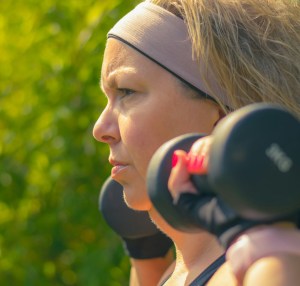
The study participants engaged in strenuous exercise, but the program was created with noice exercisers in mind.
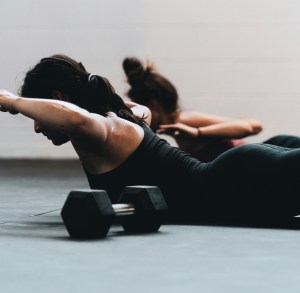
(Photo by Intenza Fitness on Unsplash)

It’s important to note that all thirty-two participants in this study were not exercising prior to joining the research group. Even so, they were able to tolerate the high intensity of the workouts. Keep in mind that “high intensity” is relative to the individual. That means strenuous exercise (for this study, reaching an effort level of at least a 7 or 8 on a scale of 1 to 10) will be different for a novice exerciser versus a highly-trained professional athlete.

So often, I encounter people who are willing to take a plethora of medications with considerable side effects, but roll their eyes when exercise is mentioned. Some people view physical activity as being only for those who are interested in looking a certain way or being mainly for those who have already reached a certain level of fitness.

Nothing could be further from the truth. Exercise is for everyone. We all start at different points; where exactly that is doesn’t matter. What does matter is that we are willing to exert enough energy to make a difference in our physiology and our well-being.

This is not “diet culture” or anything to do with body shaming. This is about doing what you can personally to increase your chances of a cancer-free life.

Survivors can talk to their healthcare team, show them this research and request that doctors lobby their insurance companies. Personal training, subsidized exercise equipment and gym memberships, fitness classes at cancer centers—all of these should be considered a critical part of cancer treatment and survivorship.

REFERENCES

Reader-Friendly Article:
Reynolds G (September 11, 2025) “A single exercise session may slow cancer cell growth, new study shows.” Washington Post. Free access via MSN: https://www.msn.com/en-us/health/other/a-single-exercise-session-may-slow-cancer-cell-growth-new-study-shows/ar-AA1Ml2oc?ocid=socialshare

Research Study:
Full publication
Bettariga F, Taaffe DR, Crespo-Garcia C, Clay TD, De Santi M, Baldelli G, Adhikari S, Gray ES, Galvão DA, Newton RU (2025) A single bout of resistance or high-intensity interval training increases anti-cancer myokines and suppresses cancer cell growth in vitro in survivors of breast cancer. Breast Cancer Res Treat, 213, 171-180. https://link.springer.com/article/10.1007/s10549-025-07772-w
PubMed Listing
https://pubmed.ncbi.nlm.nih.gov/40608178/

The Pink Tsunami is Coming

(Title image: Photo by Pawel Czerwinski on Unsplash)

It’s that time of the year again.

I won’t lie, I have mixed feelings about the color pink these days, along with October’s “breast cancer awareness” paraphernalia popping up in stores, in promotions and all over social media. Some of us don’t need the reminder that breasts get cancer.

Breast cancer is probably the most popularized cancer there is, and I’m willing to bet that’s in part because there is a giddiness associated with yelling “SAVE THE BOOBIES” and not getting into trouble for it. It is also the most funded cancer (McIntosh et al., 2023, Lancet, for example) but to be fair, also one of the most common.

So you would think that by now I would be very accepting of all the pink ribbons on yogurt and fizzy drinks and whatnot. But amidst the rah-rah, October also brings with it the memories of feeling very alone with my disease. Once the chemo and radiation were done, I found myself wading through a new phase of life that I wasn’t prepared for.

This is a reminder to myself that it is a privilege to be here griping about October being so pink!
(Photo by Angiola Harry on Unsplash)

I thought I was “done”. And so did everyone else. But dealing with continued Herceptin infusions along with an uncertain future of endocrine therapy frustrated me because I felt I still had an excuse to feel crappy, but no one else thought I did.

And even with that frustration, I have a lot to be grateful for.

All the pink stuff and smiling faces have been so important in bringing so much generous funding to breast cancer research, which has resulted in great strides being made. There are other cancers that are painfully underfunded (for instance, pancreatic cancer, which also has high mortality rates), and I would be lying if I said that I didn’t feel some guilt about that. I cannot gripe about all the pink too much, because I am the beneficiary of all the money that has poured in.

Specifically, my triple-positive breast cancer was actually considered quite aggressive, but research resulted in new pharmaceuticals that have de-fanged that type of breast cancer and resulted in high survival rates. Even my oncologist remarked that he couldn’t remember the last time a HER2-positive patient of his suffered a recurrence, and he’s in his 70s. That says a lot.

So it seems disingenuous of me to lament all the screaming pink at the store. It seems equally disingenuous of me to wonder how much cancer took away from me that I would still have right now. Because one thing it didn’t take away was my life, and not everyone is that fortunate. Remembering that puts everything into perspective.

Effects of Diet and Exercise on Chemotherapy Tolerance and Efficacy: Research

(Title image: Photo by Hermes Rivera on Unsplash)

Many cancer patients complain of feelings of helplessness after their diagnosis, and I can certainly relate to that. As a result, I’m particularly interested in research that explores whether patients can gain control over the success of their treatments.

The most recent study I’ve come across includes breast cancer patients undergoing treatment at Yale and Dana Farber Cancer Centers.

This study appeared in the Journal of Clinical Oncology (Sanft et al., 2023). Researchers examined the effect of diet and exercise on “relative dose intensity” (RDI), which is the relationship between the amount of chemotherapy delivered to the patient compared to the standard amount prescribed. Low RDI means that there was a reduction in the chemotherapy the patient received and is generally associated with a poorer outcome. Dose reductions result from the patient’s difficulty in tolerating the drug.

The researchers also looked for “pathologic complete response” (pCR), which is “the lack of all signs of cancer in tissue samples removed during surgery or biopsy after treatment with radiation or chemotherapy” (definition from cancer.gov). This was for women receiving neoadjuvant chemotherapy, which is chemotherapy administered prior to surgery.

Yep, once again we come back to diet and exercise, even during chemo.
(Photo by Yulissa Tagle on Unsplash)

The subjects of this study were women recently diagnosed with stage I-III breast cancer, who either received the “usual care” or a diet and exercise intervention. Those in the intervention group received nutritional counseling with a focus on a plant-based diet. The physical activity included counseling and support for maintaining a home-based exercise program that included strength training (2x/week) and brisk walking (150 min/week of moderate intensity or 75 min/week of vigorous intensity).

What the research confirmed first was that the subjects in the intervention group were able to increase their exercise and diet quality, which showed that it was feasible to make lifestyle improvements even in the midst of chemotherapy.

However, in this study, the RDI for both groups (“usual care” and diet & exercise intervention) ended up being similar, but also quite high, which meant that women in both groups completed most of their treatment. The researchers noted that the study should be re-run with patients who were at greater risk of not being able to complete all their chemo to see how much of an effect improved diet and exercise would have, especially since exercise has been shown in other studies to have a positive effect on patient outcomes.

But a striking difference was seen for women receiving neoadjuvant (prior to surgery) chemotherapy in that the rates of pCR (disappearance of cancer in the tissues) were 53% for women in the intervention group versus 28% for women receiving usual care. That suggests that the intervention enabled the chemotherapy to be more effective.

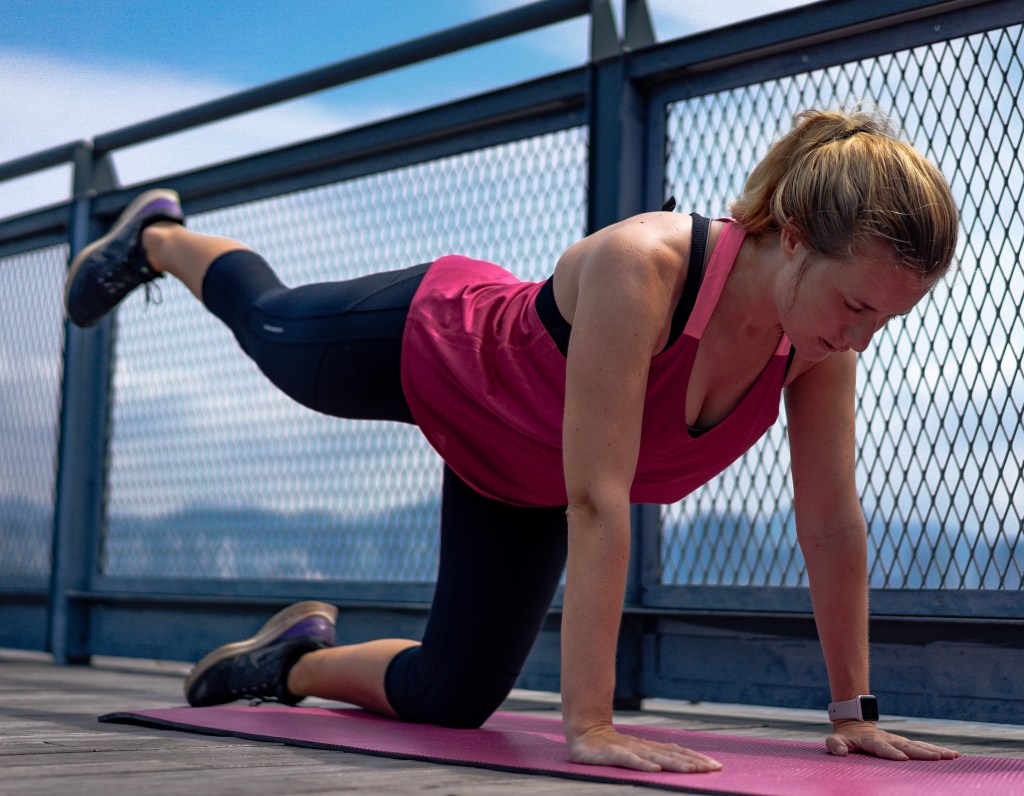
There are many physical activities you can choose from–clifftop not required.
(Photo by Sigmund on Unsplash)

The researchers stated the following in summarizing their study: “Given that pCR is an accepted predictor of recurrence and mortality, our findings could provide oncologists with a supportive care intervention that affects the ability to potentially improve survival outcomes” (Sanft et al., 2023, J Clin Oncol). And this is very good news indeed.

The take-home message here is not surprising, and it’s good advice for life in general: no matter what your current lifestyle, prioritizing a healthier diet (emphasis on whole foods, plant-based, less processing, etc.) and engaging in regular cardiovascular and strength training exercise will improve your quality of life. It is always worth the effort.

~~~~~~~~~~~~~~~~~~~~~~~~~~

REFERENCE:
Sanft et al. (2023) Randomized Trial of Exercise and Nutrition on Chemotherapy Completion and Pathologic Complete Response in Women With Breast Cancer: The Lifestyle, Exercise, and Nutrition Early After Diagnosis Study. J Clin Oncol, 41: 5285–5295. https://doi.org/10.1200%2FJCO.23.00871. [This paper is Open Access and can also be found in PubMed Central: https://www.ncbi.nlm.nih.gov/pmc/articles/PMC10691793/]

Benefits of Mind-Body Fitness Classes for Cancer Patients: A Preliminary Research Study

If you needed yet another reason to turn to meditative exercise practices in the course of cancer treatment, here it is.

A recent, unpublished study that was presented at the 2023 ASCO (American Society of Clinical Oncology) Quality Care Symposium, entitled “Virtual Mind–Body Fitness Classes Show Unexpected Benefit in People with Cancer” (Mao et al., 2023), examined the effects of virtual mind-body fitness classes on visits to urgent care or unplanned hospitalizations for cancer patients who were in active treatment and were dealing with moderate or greater fatigue.

While mind-body practices are already recommended for cancer patients to help deal with the symptoms of treatment and its emotional fallout, the results of this study illuminated specific benefits. Those patients who had been assigned to the group given access to virtual live mind-body and fitness classes (called Intergrative Medicine at Home, or IM@Home) had fewer hospitalizations and shorter hospital stays, in addition to fewer visits to urgent care, compared to those subjects who were only given access to pre-recorded online meditation resources (Enhanced Usual Care, or EUC).

It’s not surprising that mindfulness benefits cancer patients, although it’s striking how those benefits manifest themselves.

This study was run at the renown Memorial Sloan Kettering Cancer Center (MSKCC) with 200 cancer patients randomized into the two groups (IM@Home and the stan, which makes the design more solid and increases confidence in the results. Nonetheless, as the lead author Dr. Jun Mao (Chief of Integrative Medicine at MSKCC) stated in the National Cancer Institute’s Cancer Currents blog, “I do want to caution that the current trial was designed as an early-phase trial, so we would like to do a larger study with longer follow-up to confirm our results before we are completely confident in the findings.

A larger study is currently in the works. Dr. Mao would like to explore whether these classes help patients follow through on their treatment plans, and if so, whether these patients also live longer.

The IM@Home group’s classes included a variety of classes (again, quoted from Cancer Currents blog): “Some of the classes taught participants movement-based activities such as yoga, tai chi, and dance therapy; other classes taught meditation-based practices, such as music therapy and mindfulness.” It is already known that exercise during cancer treatment can reduce fatigue, but the researchers felt that part of the success of this study was due to the participants’ ability to choose the level of exertion based on how they were feeling at the time of the class.

Looking forward to further research on the ways that we can support cancer patients physically, emotionally and spiritually!

As Dr. Mao pointed out, more directed research on this must be done before drawing specific conclusion, but this was a very valuable pilot program, the results of which would not surprise those of us who have made use of various exercise modalities, particularly those with a mind-body angle, for calming ourselves during our cancer journeys.

The more this subject is studied, the greater the chance that cancer centers focusing on whole-patient treatment will be offering such classes to their patients. COVID taught us that there are ways to make classes accessible to people with limited mobility or conditions that may prevent physical travel to classes.

While I believe that attending mind-body oriented classes in person is ideal, this study illustrated that even virtual opportunities can have significant benefits for the patient.

It’s worth pointing out that of the 200 study participants, 91% were female and 77% were white. That is not a diverse spread and reflects the typical clientele at your average yoga studio (based mainly on my personal observations), with the exception being that the average age of these study participants was 60 years. I would be willing to bet that less-represented groups would benefit greatly from the stress relievers offered here and I hope that the researchers expand their subject pool to balance out the participants in their future study.

Regardless, these are intriguing results that underscore the important of mind-body focused classes, and exercise in general, in the well-being and improvement of cancer patients. This study joins a growing list of research that is changing the way that we look at managing cancer treatment side effects.

~~~~~~~~~~~~~~~~~~~~~~~~~~

REFERENCES:

Reader-Friendly
Windstead, E, Virtual Mind–Body Fitness Classes Show Unexpected Benefit in People with Cancer, Cancer Currents, December 15, 2023:
https://www.cancer.gov/news-events/cancer-currents-blog/2023/mind-body-fitness-cancer-side-effects

Research Study Abstract
Mao, JJ et al., Effect of virtual mind-body fitness program on reduction in unplanned hospitalizations among patients undergoing active cancer treatments: A pragmatic randomized clinical trial, presented at 2023 ASCO Quality Care Symposium, October 28, 2023:
https://meetings.asco.org/2023-asco-quality-care-symposium/15514?presentation=227485#227485 (note: click on “Abstract 473” on right side panel for abstract text)

Can Meditation Fight Cancer?

While it seems like a pretty fantastical concept, a group at the University of California San Diego just received a five-year, $10M grant to examine just that.

Specifically, the InnerScience Research Fund will support ongoing research at UC San Diego’s School of Medicine to determine the biological effects of meditation. Researchers led by Dr. Hemal H. Patel (Dept. of Anesthesiology) are exploring whether meditation can modulate the progression of serious illnesses.

From the UC San Diego Today press release (May 16, 2023):

Researchers are gathering a variety of information from a large group of participants.

“As part of a continuing study entitled “QUest to ANalyze a Thousand hUmans Meditating,” or QUANTUM, Patel and his team are assessing the impact of meditation on nearly 2,000 individuals undergoing intensive meditative experiences. The goal is to capture a depth of unbiased information from a large cohort of healthy and non-healthy individuals to gain insights into the impact of meditation.”

Study participants are contributing a plethora of biometric data obtained via wearable technology, “including heart rate, heart rate variability, sleep, activity and more. That data is then coupled with health survey results and “omic” studies being conducted on blood, microbiome, urine and tears.” Brain activity has also been measured and analyzed.

Perhaps the most unexpected statement in the entire press release was the following: “Early analysis is showing promising results from meditation in impeding serious illnesses such as cancer.”

This is quite an announcement coming from a highly-respected research institution, so I am particulary intrigued.

It would be wonderful to find that the benefits of meditation go far beyond improving one’s sense of calm — lotus position optional!

On the one hand, it’s not difficult to believe that harnessing the mind through meditation could have a dramatically positive impact on one’s health. As I reported in an older post, researchers have elucidated the biochemical pathway by which stress can lead to cancer recurrence in breast cancer survivors. So if we’re able to do the opposite–inviting in a sense of peace and keeping stress at bay–it stands to reason that we affect disease progression. After all, we’ve known for a long time about the benefits of meditation on one’s mental well-being, why not one’s physical health too?

On the other hand, it’s important to understand that meditation alone should not be considered a treatment or cure for cancer. But as my last post on complementary medicine pointed out, cancer patients are increasingly turning to practices such as meditation to help them navigate the cancer experience as they undergo conventional treatment. The added benefits of helping halt the proliferation of a tumor would make meditation an important adjuvant therapy.

This is one story that I will be keeping a close eye on!

Fighting Depression with Exercise

If you’ve hung around this blog for a while, you know that I am a firm believer that exercise will make just about anything better.

That was certainly the experience I had with cancer, as maintaining my fitness was critical to lifting my spirits. A nice workout was the best way for me to shake off the remaining side effects of a chemo infusion.

Moving makes you feel better.

That’s why I’m not completely surprised that a group of researchers (Heissel et al., 2023, Br J Sports Med) are suggesting, based on a meta-analysis of 41 studies comprised of a total of 2264 participants, that exercise be used as a primary treatment for depression. That means they feel the results of their research demonstrated exercise to be just as effective as psychotherapy and medication.

The study authors conclude boldy, “Exercise is efficacious in treating depression and depressive symptoms and should be offered as an evidence-based treatment option focusing on supervised and group exercise with moderate intensity and aerobic exercise regimes.” [Emphasis mine]

However, while no one is arguing against the importance of exercise in helping individuals treat their depression, an article appearing in The Washington Post cites other researchers who feel that it may be premature to use exercise as a primary treatment for people suffering from clinical depression and suggest that additional studies should be conducted.

More research needs to be done to determine the specifics of how to use exercise to lift depression.

In particular, as a meta-analysis, although the total number of research participants was large (2,264), the individual studies on which the analysis was based tended to have smaller participant sizes, due in no small part to the fact that running studies like this can be costly.

There are still a number of questions that need to be addressed, such as exercise type, frequency, intensity and amount. Depression is different for everyone both in scope and origin, and an “exercise prescription” should be personalized for the individual. Still, no one is disupting that any form or length of exercise is far better than doing nothing.

In light of these results, what should you do?

Do the type of exercise you enjoy. The best results in this particular meta-analysis were obtained from moderate intensity exercise, although intense exercise was still beneficial, and benefits were also gained from even light exercise. Avoiding sedentary behavior was key.

If you’re just starting out, find a simple exercise that you’ll enjoy doing and will look forward to.

My personal suggestion for anyone who is not currently exercising would be to try to maintain consistency with a simple exercise like brisk walking. If you are able to get outside into nature, perfect! If you’re deadset on bingewatching the latest season of your favorite show and decide to march in place, swinging your arms while you watch, that is great too! It still beats the pants off of crashing out on the couch as the show plays on.

There are many ways to incorporate more movement into your life and also ways to make it pleasant so that you look forward to it. At the least, find a simple exercise that you don’t dread…and then keep doing it. In the meantime, we will await future studies that can offer more insights into the psychological benefits of exercise.

REFERENCES

The Study, a Meta-analysis
Heissel A, et al. (2023) Exercise as medicine for depressive symptoms? A systematic review and meta-analysis with meta-regression. Br J Sports Med. http://dx.doi.org/10.1136/bjsports-2022-106282.

A Reader-friendly Synopsis
Reynolds G (March 15, 2023) The best treatment for depression? It could be exercise. The Washington Post. https://www.washingtonpost.com/wellness/2023/03/15/exercise-depression-benefits/

Finishing Faster: Exploring Shorter Radiation Treatment for Early-Stage Breast Cancer

Many of us who have lived through early stage breast cancer with lumpectomy surgery have also gone through radiation treatment.

If you’ve been there, you know the drill: 4-6 weeks of daily radiation sessions. Each one is relatively short, but there’s the time involved in getting there, changing into a gown, waiting for your turn, having the treatment, changing back into your clothes and getting back home (or work or wherever else you need to be).

And this happens every single day, five days a week, for weeks. You get to know your radiation therapists very well. And they get to see your breast over and over again. It goes on and on and on.

Closing the book on cancer treatment is a great feeling. And making radiation even shorter? Yes, please!

However, a recent clinical trial (described in the National Cancer Center’s Cancer Currents blog) examined the efficacy of a shorter 3-week session and found that the results (i.e., chances of cancer recurrence and serious side effects) were comparable to the longer, standard treatment.

Women who have an elevated risk of having the cancer recur at the tumor site are usually given an additional “boost” of radiation to that area. This takes place after the initial weeks of radiation, extending the length of treatment. However, researchers discovered that this boost could be given concurrently, thereby shortening the number of weeks that patients had to undergo radiation without compromising its effectiveness.

From the perspective of a patient, this is very welcome news. Setting aside time every day of the week to make the trip to the cancer center for treatment only works if your other responsibilities are flexible. I was working part-time during this, had access to a car, could get to the cancer center quickly and could be done in time to pick up my kids without too much of a problem. My bosses were extremely understanding and gave me the latitude I needed to complete my treatment with a minimum of stress.

For many, however, this might not be the case. Being able to shorten the overall treatment time could be critical in helping patients finish all their sessions.

It is heartening to know that as cancer treatments evolve, they become much easier to incorporate into our everyday lives. I am hopeful that the changes that come about over the next 10 years will provide even more options for successful completion of treatment with a greater survival rate for all.

~~~~~~~~~~~~~~~~~~~~~~~~~~~~

REFERENCES

Reader-Friendly
Ben-Ari, E, Shorter Course of Radiation Is Effective, Safe for Some with Early-Stage Breast Cancer, Cancer Currents, November 30, 2022: https://www.cancer.gov/news-events/cancer-currents-blog/2022/early-breast-cancer-shorter-radiation-therapy

Note: the results of the referenced clinical trial were presented on Oct 24, 2022 at the American Society for Radiation Oncology (ASTRO) annual meeting in San Antonio, Texas with Frank Vicini, MD as the study leader. My expectation is that more information will be published and I will try to post it here once it is.

“Scatterbrained”: Yeah, Chemo Brain is Real

After a few years of wondering what the heck is going on with my head, I joined a Memory and Attention Adaptation Training (MAAT) class generously provided by my cancer center (which I’ll be posting about on a later date).

This is gratifying on two levels: first, that I can learn new strategies for dealing with the memory issues and distractibility that have been plaguing me since finishing breast cancer treatment five years ago; and second, and perhaps more important to me emotionally, that what I am experiencing is REAL. It’s officially termed Chemotherapy Related Cognitive Impairment (CRCI) or, informally, chemo brain.

I’ve been told that “you’re imagining this” (I’m not) or “you’ve always been like this” (I haven’t) or “just focus harder” (I AM!!!) or even “this is just an excuse” (Argh! No!), coming from people who have been annoyed by my memory lapses.

Chemo brain spends a lot of time just wandering around without an idea of how to get anywhere.

My brain isn’t lazy. As a matter of fact, it’s the opposite problem. My brain is too busy.

In the MAAT class, we learned of a study from the University of British Columbia (UBC) by Kam et al. (2016, Clin Neurophysiol) that examined what happens inside those brains that suffer cognitive impairment from cancer treatment, even years later. In that published study, the experimental group consisted of nineteen breast cancer survivors. All had undergone chemotherapy for early stage breast cancer and had subsequently self-reported cognitive issues.

Researchers at UBC compared these survivors against twelve (non-cancer) control subjects in a task that required sustained attention. All the participants’ brains were monitored via electroencephalogram (EEG) both while working on the task and while at rest.

The results were vindicating for me and, I’m sure, for others experiencing this. Normal brains cycle through periods of focus and periods of “wandering”. However, as the UBC researchers stated in a summary of their results (published here): “We found that chemo brain is a chronically wandering brain, they’re essentially stuck in a shut out mode.”

This was true even when the breast cancer survivors thought that they were focusing. Furthermore, the survivors’ brains exhibited activity even when they were instructed to relax.

Great. We know that chemo brain is an undeniable fact for some cancer survivors and can last for years — in this study, up to three years. However, for me and some of the people in my MAAT class, it’s been five years and we’re still dealing with this, which is frustrating. What can be done about it?

When anxiety and chemo brain collide, you get a confused goat tangled up in a rope. That would be me.

It won’t come as a surprise — anxiety makes everything worse, and that holds true for chemo brain too. As mentioned above, I’ll discuss this in greater detail in a later post, but basically, a main focus of the MAAT class is learning to handle stressors in an effort to relieve anxiety.

So now that I know that what I’m experiencing is a real thing, a large part of combatting it is what I’m already trying to do — mindfulness, meditation, yoga and similar sensible self-care. And while it might seem aggravating that even with all that practice I’m still dealing with this, I’m actually bouyed by the fact that every bit of mindfulness helps. The reality is, I’ve made a monumental amount of progress from where I was when I started, five years ago.

And that keeps me going. Where would I be if I wasn’t trying?

~~~~~~~~~~~~~~~~~~~~~~~~~~~~~~~~~

References:

Reader-friendly summary:
“‘Chemo brain’ is real, say UBC researchers”, UBC News, Apr 27, 2015, https://news.ubc.ca/2015/04/27/chemo-brain-is-real-say-ubc-researchers/

The published study:
Kam JWY, Brenner CA, Handy TC, Boyd LA, Liu-Ambrose T, Lim HJ, Hayden S, Campbell KL (2016) Sustained attention abnormalities in breast cancer survivors with cognitive deficits post chemotherapy: An electrophysiological study, Clinical Neurophysiology, 127, 369-378. https://doi.org/10.1016/j.clinph.2015.03.007
Please note that the above study is not available free online at this time. For a pdf free of charge, contact one of the authors (email address next to their name at link above) or your local university library. Due to copyright issues, I am unable to distribute the full document myself.

Showing Signs of Stress

One of the benefits of doing a yoga teacher training (YTT) is that there are some interesting side effects that go far past learning about yoga instruction.

It also involves a great deal of introspection, sometimes uncomfortable, but always valuable.

Signs of stress are pretty universal and usually unmistakable.

What I found curious about myself was how, when I was stressed, I exhibited loads of visible signs of stress even if I was aware that I was doing it. It was as if I didn’t want anyone to mistake me for not being stressed when I was.

This made me wonder, was it simply habit? Or was I being a drama queen? Stress does affect me deeply and anxiety is hard for me to shake. It’s possible that I feared not being believed that I was suffering.

Perhaps I needed people to care that I was not okay.

But I came across a recent research article about this that suggested an even deeper reason. UK researchers Whitehouse et al. (2022, Evol Hum Behav) conducted a study in which it appeared that individuals displaying signs of stress came across as more likeable and more likely to elicit support from those around us.

This is curious because often in nature, showing “weakness” may result in a greater chance of being attacked. But apparently it doesn’t work this way in human society. The researchers postulated that signs of stress suggested that the individual might be deemed friendly and not a threat.

I can attest to the fact that seeing someone displaying anxiety immediately triggers a strong empathic response in me, no matter who the person is or what they’ve done. Having suffered anxiety myself, I am immediately drawn into what the individual might be feeling, projecting my own feelings onto them.

Yeah…don’t be this.

And it is very true that I’ve often gone out of my way to look more friendly, less scary, particularly when it comes to people smaller and weaker than I am (I’m 5’11”). I have a drive to appear less threatening. However, this does not necessarily benefit me–does the term ‘doormat’sound familiar? When you lower yourself far lower than is even remotely necessary, you’re not doing anyone any favors.

This explains a lot about my own life and it underscores the importance of being aware of your behavior and why you engage in it. When you run on autopilot you risk reinforcing negative self-beliefs and even generating new ones. Self-awareness is the antidote to that.

So that is what I’ve been musing about. YTT provided me with space from which to reflect on the ways that I behave and feel in certain situations. In turn I can use that information to make much needed changes in my life and get myself unstuck. How about you?

~~~~~~~~~~~~~~~~~~~~~~~~~~~~~~~~~~

Original research article:
Whitehouse J, Milward SJ, Parker MO, Kavanagh E, Waller BM (2022). Signal value of stress behaviour. Evolution and Human Behavior; DOI: 10.1016/j.evolhumbehav.2022.04.001

Reader-friendly version:
https://www.sciencedaily.com/releases/2022/05/220515113229.htm

Melatonin As Cancer Fighter? Maaaaybe…

The last time I was researching the link between cancer and sleep, noting the myriad benefits gained from solid nighttime rest, I was surprised to see mention of melatonin’s role in decreasing the risk of cancer.

For anyone who might not be familiar with it, melatonin (a tryptophan derivative) is a naturally-occuring hormone secreted by the pineal gland that signals when it’s time to sleep and wake. It’s mediated by light levels, with the amount of melatonin in your body increasing as the sun goes down. You’ve probably seen melatonin on the vitamin shelves at your local store, as in recent years it’s been popularized as a non-addictive sleep aid. What I hadn’t realized was that its effect on cancer cells has become an active area of study.

I dug into the PubMed database to find there was quite a bit on this topic. However, note that not all the journals in which these results were published were familiar to me, so I cannot vouch for the rigor of the peer review, however, there was a general consensus that melatonin showed promise.

Melatonin shows a lot of promise as a cancer fighting hormone.

It’s well-established that women who work night shifts experience disruption of their circadian cycle and have an increased risk of breast cancer risk, purported to result from extra circulating estrogen (Cohen et al., 1978, Lancet). Researchers are now linking that disruption with a decrease in melatonin production.

Amin et al. (2019, J Cell Biochem) describe the action of melatonin as it relates to cancer: “Melatonin via its receptors and various second messenger pathways decrease[s] cell duplication and increase[s] cell differentiation.” Since cancer tumors are composed of a proliferation of poorly differentiated cells, this means that the action of melatonin works against the process by which cancer develops and progresses.

Amin et al. continue by noting that melatonin “regulates estrogen-dependent pathways (by nonreceptor-dependent means) and reduces the production of oxidants; as a result, melatonin inhibits cell toxicity and mutations….Melatonin interrupts estrogen-dependent cell signaling and also causes reduced estrogen-stimulated cells in breast cancer. [It] is a mammary tumor inhibitor…[as relates to the] development, progression, and metastasis of breast cancer via a number of molecular mechanisms.”

A randomized, double-blind, placebo-controlled research study showed that melatonin has a neuroprotective effect that can counteract the effects of chemotherapy on “cognitive function, sleep quality and depressive symptoms” (Palmer et al., 2020, PLOS One). These are significant side effects that have a profound impact on the patient’s quality of life, and anything that may relieve these will improve the entire treatment experience.

Griffin & Marignol (2018, Int J Radiat Biol) noted that melatonin administered to subjects before they were exposed to ionizing radiation resulted in the breast cancer cells being more sensitized to the radiation therapy, rendering it more effective. And melatonin seemed to reduce the radiation-induced side effects exhibited by both human and rodent subjects.

No matter how many drug treatments are available for cancer, they do no good if the cancer cells develop a resistance to them. In a study published this year, Sang et al. (2021, Cancer Lett) found that melatonin increased the effectivess of drug lapatinib in HER2 receptor-positive breast cancer cells that were originally resistant to the drug, suggesting that melatonin could be a promising adjuvant therapy for treating advanced HER2+ tumors.

So, melatonin may reduce breast cancer risk, make existing treatments more effective and help protect patients against negative effects of these therapies. Does that mean you should run out and gobble melatonin every night?

Many studies are first run on animal subjects, but to truly determine whether a treatment will be effective for cancer patients, it must be tested on humans.

No! As tempting as it sounds, that’s not an advisable course of action. Many more studies still have to be run to evaluate the exact mechanisms by which melatonin acts on physiological processes. Some of the results in the cited studies were based on small sample sizes; good for proof of concept, but following up with larger scale studies is critical. Some studies were run on animal models which are not the best human analogues. In addition, there’s little direction regarding proper therapeutic dosages. Establishing those will take additional research.

Keep in mind: a naturally-occurring hormone like melatonin likely has a “sweet spot” in terms of dosing, and determining the ideal amount may be tricky. Just because you can buy melatonin gummies in 10mg doses does not mean you should be taking that much.

Furthermore, melatonin may elicit negative side effects in some people, including headaches, nightmares and nausea. Side effects tend to be short-lived with short-term usage but there’s still not enough information available about long-term safety, so taking it for longer periods of time is strongly discouraged.

Note also, the articles I’ve mentioned above were selected because they describe recent research, although some of these are review articles that espouse the authors’ opinion, backed up by research selected for the purpose. If you’d like to read the above studies yourself and the links I’ve posted do not provide you full access, please consult your local university library for copies (copyright laws prohibit me from providing access to pay-only articles, regrettably).

Finally, it may be that some of melatonin’s benefits might be its undoing. Reiter et al. (2017, Int J Mol Sci) note that melatonin is inexpensive and readily available, and therefore there might not be the same level of interest in researching and developing it for cancer use as there might be with a novel drug with the potential to be more lucrative.

Where does this leave us?

I would urge you to:
1) Ask your oncologist about what they would recommend, given the research that’s coming out. They are still your best source for information. FranticShanti.com is only a blog and can be used as food-for-thought but definitely not for determining your course of treatment.
2) Learn how to read scientific studies. There are free courses on educational site such as Coursera.com that explain research design and interpretation in layperson terms. They can offer instruction on reading research with a critical eye.
3) Keep an eye on emerging research. Databases such as PubMed are excellent sources for health research. Even if you’re not well-versed in research design, you can look up articles to bring to your next visit with a health provider.
4) Do not take megadoses of melatonin! There is still so much we have to learn about this hormone as it relates to cancer, and self-medicating with melatonin in the hopes that “maybe it’ll help” is dangerous. Again, your oncologist remains your best source of information.

Promising drugs aside, get your sleep!

I do encourage you to respect your circadian rhythm by establishing good sleep hygiene practices to improve the conditions for your body to create and release its own melatonin. Proper and adequate sleep will always benefit you!

And so we get back to the idea that launched this post: sleep remains the ultimate good.

~~~~~~~~~~~~~~~~~~~~~~~~

It bears repeating: ALWAYS ask your cancer team about starting any new medication or supplement, regardless of how well-supported it is by research.