Oncology Yoga: It’s Not Just for Relieving Stress

(Title image: Photo by Raghu Nath on Unsplash)

Last week I finished up my 75-hour yoga4cancer (y4c) Oncology Yoga teacher training (wow, that’s a mouthful!).

It was about five months of some pretty hefty lessons that spanned the cancer experience, the science of cancer, the science of yoga, the y4c methodology and lots of practice, introspection and critique. And more!

What drew me to this particular specialized yoga training was that it uses yoga as an exercise modality for true mind-body fitness, not simply to help practitioners deal with the stress and anxiety related to a cancer diagnosis, but to tap into the physical benefits of exercise in helping manage treatment-related side effects and prevent cancer recurrence.

Oncology Yoga offers a safe and effective yoga practice keeping the needs of those touched by cancer paramount.
(Photo by Junseong Lee on Unsplash)

I recently spoke with someone who represented another cancer yoga certification. She felt that cancer patients and survivors were not looking for yoga that emphasizes exercise, they wanted the stress-relieving, nurturing aspects of a yoga practice.

And there is some truth to that. I myself made the most use of the Pranayama (breath work) and Dhyana (meditation) aspects of Patanjali’s Eight Limbs of Yoga, of which Asanas (poses) are only one limb, when I was going through my own cancer experience.

But on top of that, I continued to row and lift weights throughout treatment, exercising as soon as I got over the worst days of my chemo. Same thing throughout radiation treatment. Exercise made me feel strong and “normal”, and gave me a sense of control when everything else in my life seemed out of control. This was something *I* could do for myself. It gave me agency over my life.

There is a growing body of evidence that staying physically active before, during and after cancer treatment is incredibly beneficial for survival. The evidence-based y4c Oncology Yoga methodology offers sequences that are appropriate for cancer patients and survivors, taking into account cancer-related side effects. There is ample propping to support the needs of practitioners, while still allowing them to participate in many asanas that you would find in a yoga class that isn’t cancer-oriented, taking care to avoid those that could be harmful.

The y4c methodology incorporates generous propping to allow cancer survivors to participate fully in class while keeping themselves safe.
(Photo by Samantha Sheppard on Unsplash)

No doubt, the stress-relieving aspect of yoga is immensely critical also, at a time when a cancer patient/survivor may be dealing with existential fears. There are studies being run on the impact of mindfulness and meditation as they relate to cancer and results of this research are very promising on a variety of levels.

Oncology Yoga combines the two, mind and body. Breath connects with movement in this specialized vinyasa class. The sequences help with lymphatic drainage, bone and muscle building, relieving constipation, regaining range of motion and more, all the while slowing the breath, calming the mind, lifting the spirit, bringing in a sense of grounding and self-efficacy.

I am very excited about the y4c training and am working on integrating Oncology Yoga principles into classes that I offer. My intent is to use my franticshanti.com platform to post sequences and meditations in the future. Watch this space!
The Dangers of Elle Macpherson’s Cancer Treatment Choices

(Title image: Photo by Naser Tamimi on Unsplash)

Supermodel Elle Macpherson recently made the news with an interview with the Australian Women’s Weekly magazine when she revealed her breast cancer diagnosis.

She was diagnosed in 2017 (as I was!), so the fact that she’s here and talking about it suggests that her treatment worked.

But what was her treatment? According to the article, following diagnosis Elle consulted with 32 doctors (and experts, although it’s unclear in what) and ultimately decided to follow a holistic treatment path. In her own words, “an intuitive, heart-led, holistic approach”.

She decided to forego a mastectomy in favor of a lumpectomy (as I also did) but also dispensed with the conventional chemotherapy, radiation and hormone therapy (I went the conventional route).

So let me clarify some things here: Elle had the lump removed. If the cancer had not spread (which presumably it hadn’t) AND no rogue cancer cells had gotten out AND the surgeon confirmed “clear margins” upon excision of the tumor, it’s certainly possible that all evidence of the cancer was removed from Elle’s body with that surgery.

As we survivors know, everyone’s cancer is different. That’s why we discourage comparing tumors or offering advice. What works for one person may not for another because so much depends on the state of the individual…and probably on a lot of other factors that we are not even aware of, even with present day advances in cancer treatment.

Elle has even stated that her treatment is not for everyone. Who knows, she might have said this for legal reasons…because you can see what’s going to happen. While Elle, as a former supermodel, businesswoman, etc., might have access to whatever specialists and level of care she desires, most of us will not.

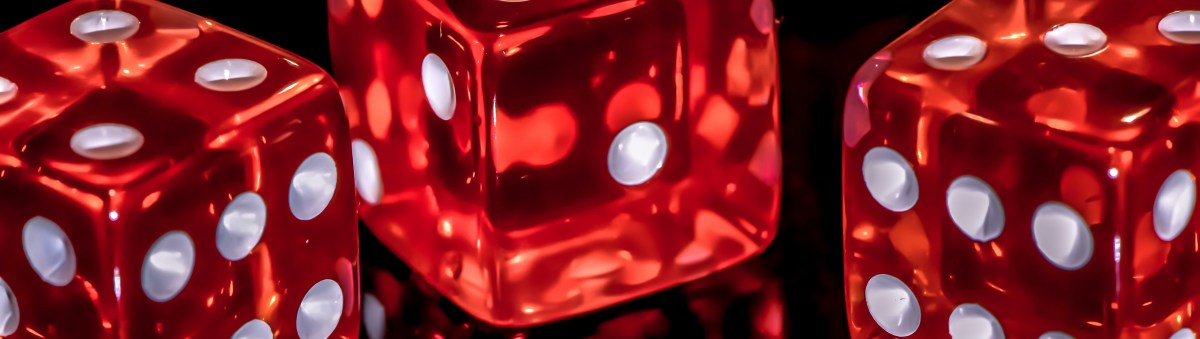
Do you feel lucky? Rejecting conventional cancer treatments in favor of clinically unproven ones can be a big gamble.
(Photo by Chris Liverani on Unsplash)

Elle asserted: “I want to help and encourage others to follow their heart and give things a go.” Sadly, when it comes to something as slippery as cancer, following our hearts is not always the best choice of action, no matter how much we want it to be.

My concern is that a newly-diagnosed breast cancer patient, fearful of the admittedly-harsh treatments that modern medicine offers, might decide to take Elle’s path (“she did it so I can too!”). But unless this person is independently wealthy or otherwise connected, they will have to cobble together a questionable plan with minimal support, and possibly fall prey to unscrupulous players looking to make a buck out of someone’s desperation.

And in these days of growing suspicion of science and the advice of doctors—brought on by pandemic-related missteps or perceived draconian measures—the chance of patients rejecting well-worn treatments is even more likely. Statistically, this would result in more lives lost to the disease.

When I made my own treatment choices, I didn’t go with the harshest stuff that my oncologist offered, opting for very effective (and, yes, cardiotoxic) Herceptin immunotherapy instead of lobbying my insurance to cover the even-more-effective (but even more toxic) Perjeta for my HER2+ cancer. I also had to cut my hormone therapy short by a number of years due to how it affected my ability to exercise, which has also been shown to have a strong effect on preventing cancer recurrence. These were measured choices, as it’s clear that Elle’s were.

At the same time, in the back of my mind I know I can’t say I did everything I could to blast my cancer into submission. But I do feel that taking everything into consideration, I did enough. My oncologist agrees.

As far as Elle’s treatment is concerned…I also did a number of things that she did, including meditation, exercise, therapy (our cancer center was very supportive of complementary therapies) and more. I cannot say how much conventional treatments vs. complementary ones contributed to my remission, but I assume each played a role. And the combination gave me peace of mind, which I would not have had, had I chosen only alternative therapies.

Ultimately, I hope we get to the point where we can eliminate the most toxic treatments and heal ourselves more gently. Ideally, we’d even prevent cancer. Huge strides have been made in cancer treatment, but we are not there yet. Every time we decline a proven treatment, we roll the dice. I’m hoping that Elle’s story does not unnecessarily put people with fewer resources at risk.